Safety gear
Car Accessories to Avoid: Gimmicks and Unsafe Fit
By Samveg Jain · Updated 21 October 2026 · 6 min read
Some links on this site may be affiliate links. If you buy through them we may earn a commission, at no extra cost to you. It never changes what we recommend. How this works.
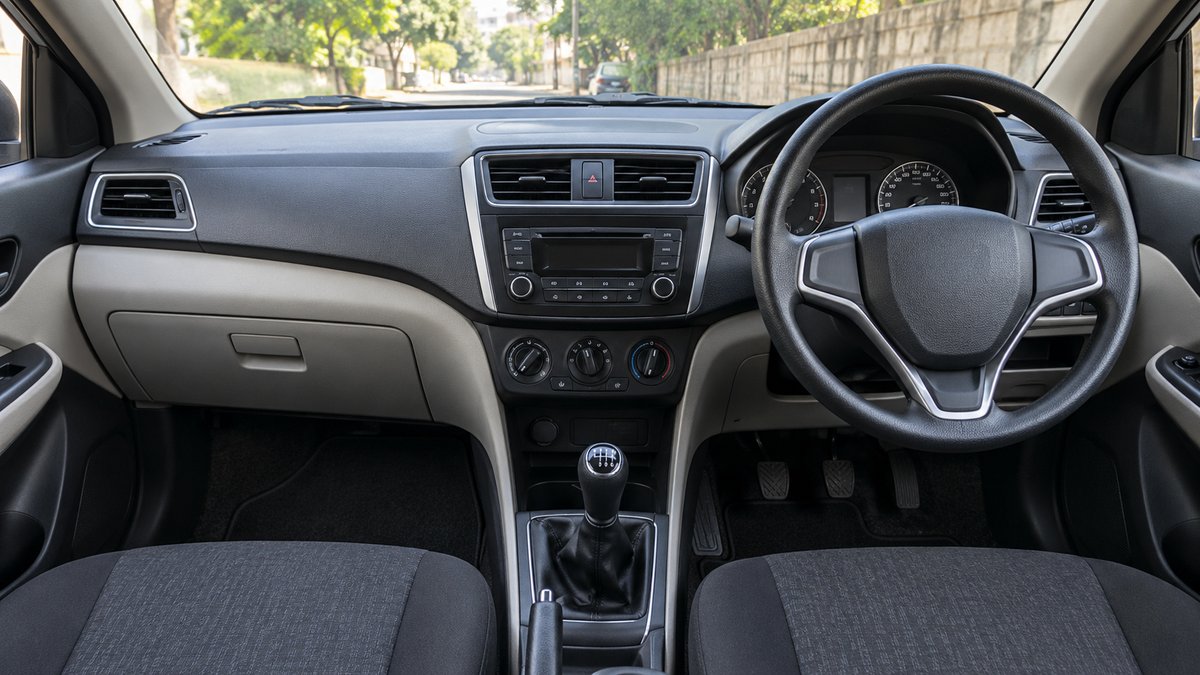
Avoid car accessories that block your view, occupy airbag zones, alter seat belt fit or interfere with pedals and controls. Be equally cautious about gadgets promising universal fuel savings or repairs without credible evidence. A useful accessory has a defined job, documented compatibility and a secure installation. If those cannot be established, keep the car's original arrangement.
Start with a no-compromise fit check
Before considering appearance, identify the vehicle's airbag areas, controls and moving parts from the handbook. Inspect the proposed accessory location while seated normally. Check the view through the windscreen and side windows, the mirror view, and the space your hands and feet use during driving. Test seat movement and access to the buckle.
Check the manufacturer's instructions for the accessory and vehicle, and follow applicable local rules. A universal-fit label is not approval to cover a safety feature or modify a control. If a seller cannot explain how the item is secured or where it must not be installed, that uncertainty matters more than colour or finish.
The phone holder guide demonstrates why location can matter as much as the product itself. Even a useful device becomes a poor purchase when the only fitting position blocks the driver's sight line or requires reaching across the steering wheel.
Dashboard decorations and dangling objects
Loose ornaments, heavy fragrance bottles and decorative boxes do not belong on an airbag cover or an unsecured dashboard surface. Avoid anything that could move during braking or obscure the road. Adhesive strength can change with heat and surface condition, so an object that stayed in place during a shop demonstration is not evidence of a secure installation.
Objects hanging from a mirror can obstruct a changing part of the view as they swing. Large tassels, hard charms and dangling electronics also add movement in an area where the driver needs clear observation. Choose a storage or mounting arrangement elsewhere only if the vehicle instructions permit it and the item has a useful purpose.
If the goal is fragrance, a securely placed product with clear use instructions is more sensible than a large decorative container perched above the console. Read the car perfume and odour guide before adding scent to a closed cabin. Cleaning the source of a smell remains a separate job.
Pedal, floor and steering add-ons
Avoid loose mats, stacked mats and products that can slide under the pedals. Use the vehicle's specified retention arrangement and confirm that full pedal movement remains possible. A thick floor cushion may appear comfortable while parked yet occupy space needed by the clutch, brake or accelerator. Remove anything that interferes rather than trying to adapt your foot movement around it.
Pedal covers need particularly careful compatibility assessment. A cosmetic cover that shifts, catches footwear or changes clearance is a poor trade. Do not add equipment to a driving control on the strength of a universal size claim. If an alteration is needed for accessibility, obtain appropriate professional advice and approved equipment rather than improvising a decorative solution.
A loose steering wheel cover is another item to reject. If it moves relative to the wheel, makes the rim difficult to grip or crowds the controls, remove it. The steering wheel cover guide puts sizing and grip ahead of finish. Avoid decorative hardware attached to the steering centre or airbag pad.
Restraint comfort gadgets need approval
Seat belt clips, buckle extenders, strap adjusters and thick cushions can change restraint geometry. Do not use an accessory merely because it makes the belt feel less noticeable. The belt should work as the vehicle manufacturer intends. An uncomfortable fit deserves a review of seat adjustment and approved options, rather than a gadget that introduces slack.
Be stricter with children. Child restraint guidance from NHTSA emphasises selecting an appropriate seat and following the seat and vehicle instructions. Avoid extra padding or harness accessories unless the restraint manufacturer approves them for the exact seat. A product presented as a sleep aid can still interfere with a safety system.
Our family travel checklist focuses on supplies that work around a correctly installed restraint. Organisers and entertainment mounts should follow that installation, rather than determining where the child seat or harness must go.
Electrical clutter and unsupported performance claims
Avoid chains of socket splitters, loose wiring and adapters with unclear input and output limits. Each extra connection adds a point to inspect and a cable to manage. A small gadget is not automatically a small electrical demand. Compare the complete load with the vehicle outlet and equipment instructions before connecting several devices.
Treat plug-in fuel-saving boxes, universal power boosters and similar claims as unresolved until credible evidence explains the mechanism and measured benefit for the exact product. Do not accept a dashboard light as proof of performance. A diagnostic connector or power socket does not grant a device the ability to fix every engine problem.
Generic diagnostic tools also have limits. The OBD2 scanner guide explains why a fault code is a clue for diagnosis, rather than a command to replace a part. Avoid gadgets that encourage clearing a warning without understanding the cause.
A rejection checklist before checkout
- No defined recurring job beyond decoration or an unsupported performance promise.
- Unclear vehicle compatibility or missing manufacturer instructions.
- Placement in the driver's view, an airbag area or a pedal movement zone.
- Attachment that relies on weak trim or a surface unsuitable for the fixing.
- A change to seat belt routing, harness fit or steering control.
- Electrical ratings that do not explain simultaneous use or vehicle compatibility.
- Maintenance, charging or replacement supplies you are unlikely to manage.
Choose a smaller set of well-fitted items from the practical budget accessories guide instead of filling every available surface. Recheck existing accessories during cleaning, especially after hot weather or seat adjustments. Remove anything loose, intrusive or unused. A clear cabin with accessible controls is a useful starting point for every later purchase.
What to look for when you buy
Vehicle-specific fitted accessory
Documented compatibility and an installation that leaves safety systems unobstructed.
Soft restrained storage
A secure fixing point, modest load and no placement near airbags or pedals.
Basic documented electrical accessory
Clear input limits, protection details and support from an identifiable supplier.
Frequently asked questions
Should I avoid every aftermarket accessory?
No. Judge the specific item by its fit, purpose, instructions and effect on the vehicle’s safety systems.
Are decorative dashboard objects safe?
Avoid loose or hard decorations on the dashboard, especially in airbag areas or the driver’s view.
Can a belt clip improve comfort?
Do not use an add-on that changes belt routing, tension or fit without approval for that vehicle or restraint.
How can I assess a fuel-saving gadget?
Ask for credible independent evidence relevant to the exact device and vehicle. Reject unsupported universal performance promises.
More guides

Safety gear
Car Safety Around Firecrackers: Parking for Diwali
A practical parking and inspection plan for Indian car owners before and after Diwali celebrations.

Safety gear
Night Driving Checklist: Lights, Glare, Fatigue and Kit
Prepare for an evening drive with checks for lights, glass, mirror glare, fatigue and breakdown equipment, plus clear reasons to delay.
Safety gear
Tyre Tread Depth: Check Wear Before Buying Replacements
Inspect tread grooves, wear indicators and uneven wear before choosing replacement tyres. Know when a professional inspection cannot wait.