Car care gear
Car Perfume and Odour Options for a Closed Cabin
By Samveg Jain · Updated 21 October 2026 · 5 min read
Some links on this site may be affiliate links. If you buy through them we may earn a commission, at no extra cost to you. It never changes what we recommend. How this works.
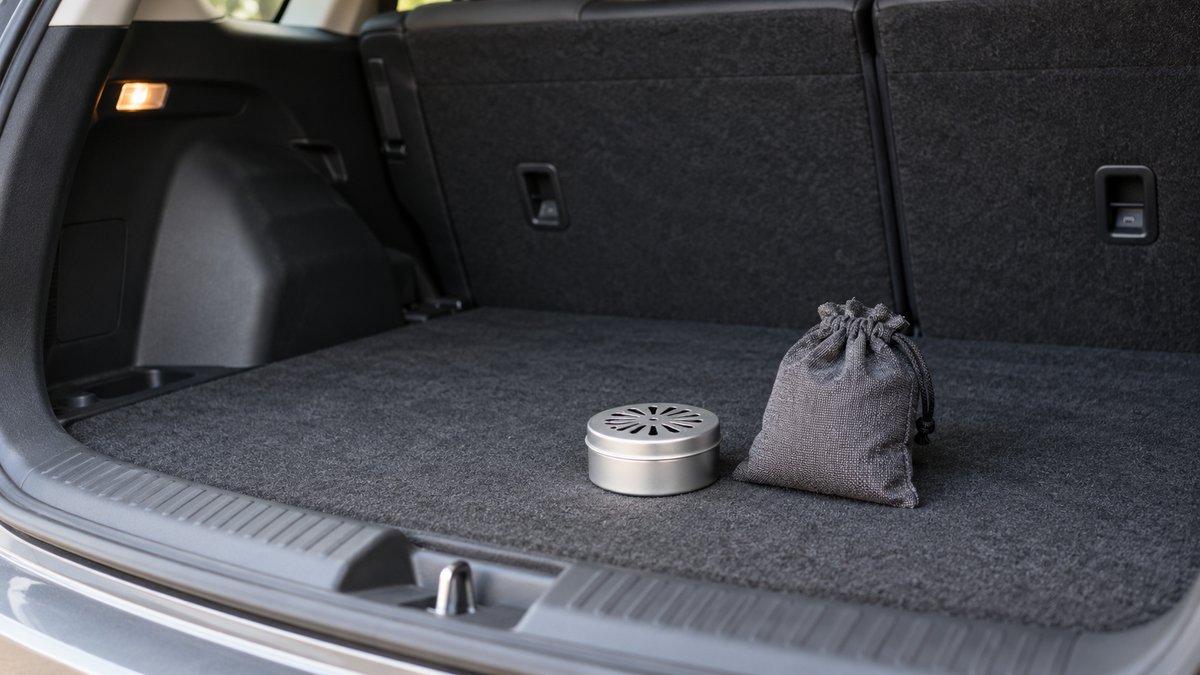
Choose car odour products in this order: remove the cause, clean and dry affected materials, then decide whether you want fragrance. An adjustable scent can suit some households, while a fragrance-free cabin suits others. In a closed car, secure placement, temperature limits and passenger tolerance matter more than advertised scent duration.
Find what needs cleaning
A forgotten food container, damp boot liner and dirty cabin filter produce different problems. Empty seat pockets and the spare-wheel area before buying perfume. Lift removable mats and inspect underneath. If carpet is wet, find the leak or moisture source rather than scattering absorber pouches over it. Drying the material is part of the remedy, not an optional final touch.
Note when the odour appears. A smell that begins with the ventilation fan deserves a ventilation-system inspection. Fuel, exhaust or burning smells need investigation by a qualified workshop. A strong new fragrance can make that diagnosis harder. Keep scented accessories separate from fault-finding and avoid using perfume to reassure passengers about a smell you have not identified.
Compare fragrance with absorption
A liquid diffuser releases scent through a wick or outlet. A gel or solid tin can be easier to contain, but still needs secure storage and label compliance. A vent clip puts scent into moving air and can interfere with adjustment. Check that it cannot leak onto trim or drop into the footwell when a passenger changes the vent angle.
An absorber pouch is a different purchase. Ask what it contains, how it is maintained and what evidence supports the intended use. Do not assume any charcoal-filled bag can solve persistent odours throughout a car. For particle removal, consult the car air purifier guide. Fragrance, adsorption and filtration should not be treated as interchangeable functions.
Buy by the format's limitations
- Liquid bottles can spill when tilted. Look for explicit storage instructions and a compatible holder rather than balancing a decorative glass bottle in an oversized cupholder.
- Vent clips are compact, but jaws and weight must suit the vent. Reject a fitting that bends a slat or prevents you directing ventilation properly.
- Solid or gel tins avoid some liquid-spill scenarios. Their lids and contents still require inspection, and they must remain inaccessible to children and animals.
- Fabric absorber pouches need a dry, secure location. Do not place them against seat hardware or offer them as toys to bored rear passengers.
Treat temperature limits seriously
Read the storage range on the packaging before selecting a product for Indian outdoor parking. If you cannot keep it within those limits, permanent placement is unsuitable. Do not assume the dashboard is an approved location because it appears in a seller's photograph. Direct sun can also affect adhesives, plastic holders and the surface beneath the accessory.
Check the manufacturer's instructions before opening a cartridge or hanging a bottle. Keep liquids away from screens, switches, upholstery seams and coated trim. If a spill occurs, follow the product's cleanup directions and the vehicle surface-care guidance. Strong improvised solvents may create another odour while damaging the finish, so avoid choosing a scent that is difficult to contain.
Ask regular passengers about tolerance
A fragrance pleasant to the driver may be uncomfortable for someone else. Begin with the lowest permitted release setting and remove the product if passengers report irritation or discomfort. A removable tin is easier to trial than an adhesive accessory buried inside trim. A powerful smell does not prove that the product has cleaned anything or improved the cabin air.
EPA guidance on fragrance exposure recognises sensitivity to fragrances. This does not show that every scent is harmful, but it supports making the choice around passengers rather than marketing claims. Keep a fragrance-free option available when sharing the vehicle, and avoid adding several competing scents to cover one another.
Clean the correct surface
Buy cleaner for the actual material: fabric, coated leather, synthetic upholstery or plastic. Read dilution and drying directions and test an inconspicuous area where the vehicle maker permits it. Oversaturating a seat can leave moisture deeper in the padding. A fresh surface smell does not prove the material underneath is dry, clean or free of the original contamination.
Use separate cloths for interiors and wheels. The microfibre and wash-kit guide describes a practical separation routine. Remove loose dirt first, then address the identified stain. If smell returns after proper cleaning and drying, revisit its cause rather than applying a stronger scent over the same area. Professional cleaning may be appropriate for deeply soaked upholstery.
Inspect before opening the package
- Find ingredients or safety information, temperature limits and spill directions. A decorative bottle with no usable instructions is a poor choice for a closed vehicle.
- Identify a secure position away from airbags, controls, belts and passenger contact. Both the holder and the scent product need to suit that location.
- Check whether release can be reduced or stopped. Follow the product's own guidance for closing, transport and storage rather than improvising with tape or wrapping.
- Prefer a format you can remove without residue. This makes it easier to stop using a fragrance that does not suit the people sharing the car.
- Plan replacement and disposal. Never pour concentrated fragrance into a holder intended for another liquid or use a cartridge that the holder manufacturer does not permit.
Keep wet-weather habits manageable
After rainy drives, remove wet umbrellas, sports gear and food waste. Dry removable liners in a suitable place before repacking. A washable boot organiser can contain belongings, but inspect beneath it too. Hidden moisture remains a problem even when the storage looks tidy from above. Check mats after journeys with soaked shoes.
If you still want fragrance after cleaning, start with a modest refill system and assess it during ordinary use. Follow storage advice when the car will stand unused. A neutral-smelling cabin is a valid finished result, and you can spend the remaining accessory budget on cleaning supplies that address the cause next time.
What to look for when you buy
Adjustable fragrance tin
A secure holder, temperature limits and controllable scent release.
Fragrance-free absorber pouch
Declared contents, care instructions and a suitable restraint point.
Surface-compatible cleaner
Correct material compatibility and clear drying instructions.
Frequently asked questions
Does perfume remove damp smells?
It can mask them temporarily. Find, clean and dry the affected material.
Can a scent bottle sit on the dashboard?
Avoid loose dashboard objects and airbag zones. Follow the label for safe placement.
Are natural scents automatically safer?
No. Ingredients, exposure, sensitivities and label directions matter.
What if the scent causes discomfort?
Remove it and ventilate. Seek medical advice for serious or persistent symptoms.
More guides
Car care gear
Car Cleaning After Diwali: Remove Ash Without Scratching
A rinse-first cleaning routine for the morning after Diwali, with separate steps for paint, glass and the cabin.
Car care gear
Car Wax for Winter: Dust, Fog and Paint Care
Choose wax or sealant for clean paint, then manage winter dust and damp with gentle washing, careful drying and sensible parking.
Car care gear
Clean the Car Interior Before Festive Travel, Zone by Zone
A practical order for cleaning the boot, seats, floor, dashboard, vents and glass, with drying and child-seat checks before travel.