Buying guides
Steering Wheel Cover Guide: Fit Before Finish
By Samveg Jain · Updated 21 October 2026 · 6 min read
Some links on this site may be affiliate links. If you buy through them we may earn a commission, at no extra cost to you. It never changes what we recommend. How this works.
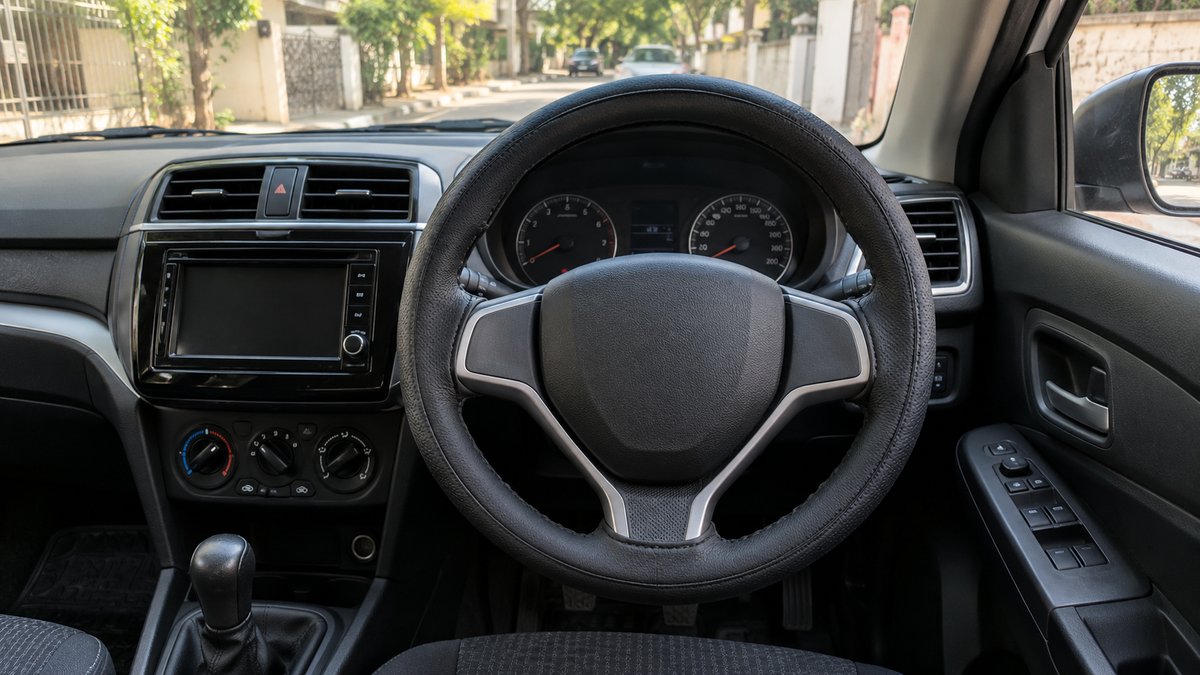
A steering wheel cover is worth considering only when the vehicle permits it and the fit remains firm without independent movement. Check wheel shape, rim thickness and control clearance before choosing texture or colour. Keep the centre airbag area completely clear. If a cover slips or changes your grip unpredictably, remove it and resolve the fit before driving.
Decide what problem you want to solve
Some owners want a different surface feel; others want to protect sound original trim. First inspect the existing wheel. Loose trim, damage or an unusual movement needs assessment, not concealment. A cover is a surface accessory. It does not repair a loose steering component, restore an airbag system or correct an electrical fault in steering-wheel controls.
Check the vehicle handbook for restrictions on accessories, heated wheels and hands-on detection systems. The last feature can be particularly sensitive to what sits between hands and the original rim. Ask the vehicle maker when documentation is unclear. If accessories are prohibited or compatibility cannot be established, keep the original surface and use its approved cleaning method.
Measure more than the outside diameter
Measure as the cover manufacturer directs, noting the wheel's shape and rim thickness. A round-wheel cover may not suit a flat-bottom or otherwise shaped wheel. Spoke positions and thumb rests affect how material sits. Matching one outer diameter does not prove the cover will grip evenly or stay clear of controls throughout normal use.
Compare the exact application, not a general small, medium or large label. Ask whether the product is intended for your wheel profile and whether installation changes its final thickness noticeably. A cover that feels manageable at the top can bunch around a spoke. Inspect the whole circumference rather than assessing only the most visible section in a product photograph.
Compare installation styles
- A slip-on cover avoids stitching but requires a secure, compatible fit. Elastic tension alone is not proof of suitability; the completed cover must not move independently of the wheel.
- A stitched rim cover can give a close finish when correctly fitted. It needs an approved design, consistent tension and a fitter who understands the vehicle's restrictions.
- A heavily padded cover changes grip diameter more noticeably. Consider whether your hands can hold the rim comfortably without bunching material or awkwardly reaching around seams.
- Decorative sleeves with hard beads, projecting parts or loose sections add complications around hand movement. A plain, low-profile surface is easier to assess for stable contact.
Keep the airbag and controls clear
The centre pad is not a mounting area for decoration or adhesive accessories. NHTSA's airbag guidance explains the relationship between airbags, belts and seating position. Use the vehicle's own instructions for the details of its wheel. A rim accessory should not overlap the centre cover, interfere with switches or create loose material near those components.
Do not attach charms, clips or straps to hold a badly fitting cover in place. Avoid routing thread or fasteners across spokes without explicit approval. Check the manufacturer's instructions before installation, and use a competent installer where fitting is unfamiliar. If installing the accessory would require modifying the airbag cover or wheel structure, abandon that installation plan.
Assess texture with clean dry hands
Handle the material if possible. An attractive polished surface may feel slippery, while a very coarse one can be uncomfortable during longer drives. Check seams, joins and any raised branding or decoration. You need consistent contact around the rim. Do not rely on scented dressings or oily cleaners to soften a cover before you understand its care requirements.
Heat matters too. Ask for operating and storage guidance and consider outdoor parking. The sunshade buying guide addresses parked sunlight, but a shade does not guarantee a comfortable wheel temperature. Before moving off after hot parking, check the surface safely and allow conditions to become comfortable rather than altering your grip to avoid hot sections.
Inspect the fitted result while stationary
With the car safely parked, inspect the full circumference for gaps, folds and uneven seating. Check that switches are accessible and hands can move without catching on seams. Follow the fitting instructions to assess retention. If the cover rotates separately, lifts or shifts, remove it. Do not use public-road driving as the first test of whether tension is adequate.
If several people share the car, each should check the feel before using it. A thicker rim may suit one person's hands and feel awkward to another. Keep the original steering adjustment available and preserve a proper driving position. A cover should not require sitting unusually close to the wheel or reaching awkwardly to maintain a stable hold.
Read cleaning instructions before purchase
Choose material you can maintain using permitted products. A wipeable surface still needs suitable cleaner, and a fabric cover can retain moisture if over-wetted. Avoid spray that reaches switches or seams. Apply only the care method approved for the cover and vehicle. Do not add polishing products that leave a slippery finish on a driving control.
Keep a dedicated clean cloth rather than borrowing one used for tyres or dashboard dressing. The microfibre kit guide explains task separation. After cleaning, inspect surface feel and fit again before driving. If a cover becomes sticky, cracks, sheds material or cannot be cleaned appropriately, replace it or return to the original approved surface.
Make the buying decision in this order
- Confirm that the vehicle permits a cover and identify relevant restrictions, including heating or sensing features. Obtain a clear answer rather than assuming all rim accessories are harmless.
- Match wheel shape, rim dimensions and application details. Check the whole circumference, including thumb rests and spoke junctions, against the proposed design.
- Choose a fitting method you can complete correctly. Ask how retention is checked and what to do if material moves after installation or cleaning.
- Prefer consistent texture, low-profile seams and clear care instructions. Avoid hard projections or decorative elements that interfere with hand movement around the wheel.
- Keep proof of purchase until fit has been assessed. Review it again after early use and remove the accessory if it develops any independent movement.
Leave room to choose no cover
The accessories-to-avoid guide includes a useful principle: an accessory must earn its place without compromising the vehicle's function. Sound original trim may already be the right surface. If buying purely for appearance, apply the same compatibility standard as you would for a practical replacement.
For broader cabin changes, the seat-cover comparison covers similar fit and safety questions. Evaluate each modification separately rather than ordering a matching interior set automatically. A plain, well-maintained driving position with predictable controls is a stronger starting point than decorative coordination.
What to look for when you buy
Vehicle-compatible fitted rim cover
Exact dimensions, firm grip and no obstruction of controls.
Professionally fitted stitched cover
Approved installation, low-profile seams and consistent tension.
Plain textured slip-on cover
Confirmed wheel shape fit, secure retention and no hard projections.
Frequently asked questions
Is a universal diameter enough?
No. Rim thickness, wheel shape and spoke clearance also affect fit.
Can a loose cover be fixed with tape?
Do not improvise. Remove it and resolve fit with the manufacturer or a qualified installer.
Can a cover overlap the centre pad?
Keep the airbag cover and controls clear; consult the vehicle handbook.
Will a cover repair a damaged steering wheel?
No. Damage, looseness or warning faults require appropriate vehicle inspection.
More guides
Buying guides
Budget Car Accessories Worth Buying for Daily Use
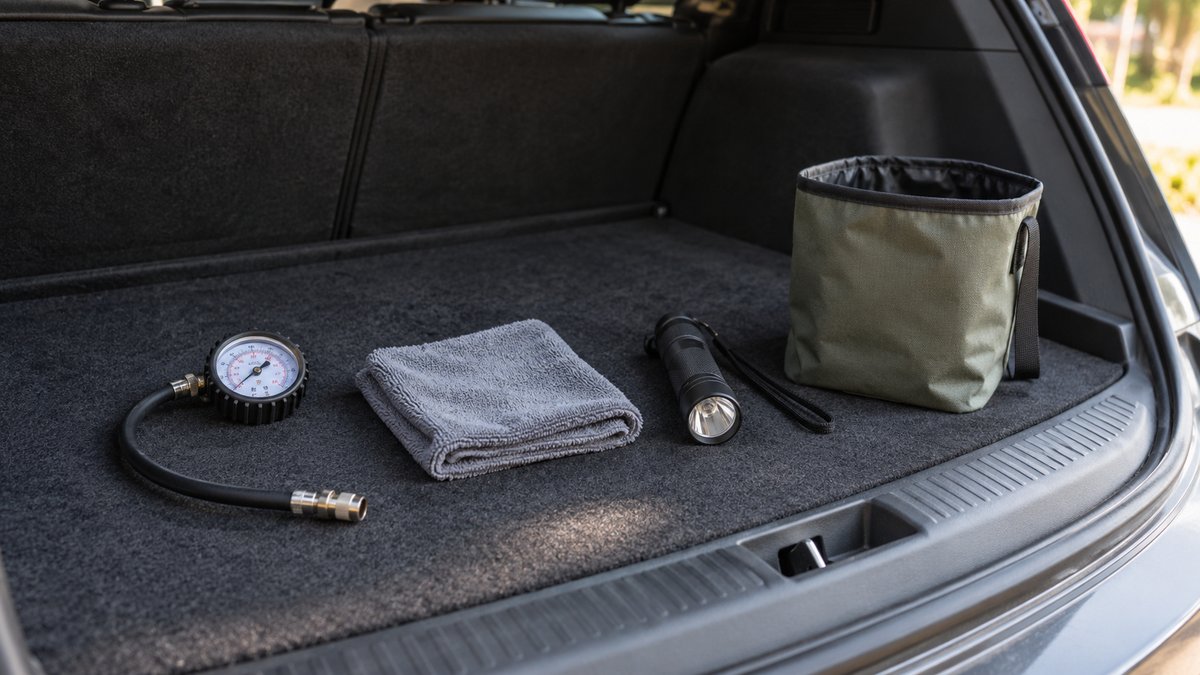
Prioritise a tyre gauge, useful cloths, a torch and tidy storage before decorative gadgets. Buy for a recurring task and check fit before keeping it.

Buying guides
Car Air Purifier: Filter, Airflow and Running Costs
Choose a filter purifier with clear airflow evidence and available replacements. Remove odour sources and check safe mounting before buying.
Buying guides
Car Phone Holder Types Compared: Mount and Fit
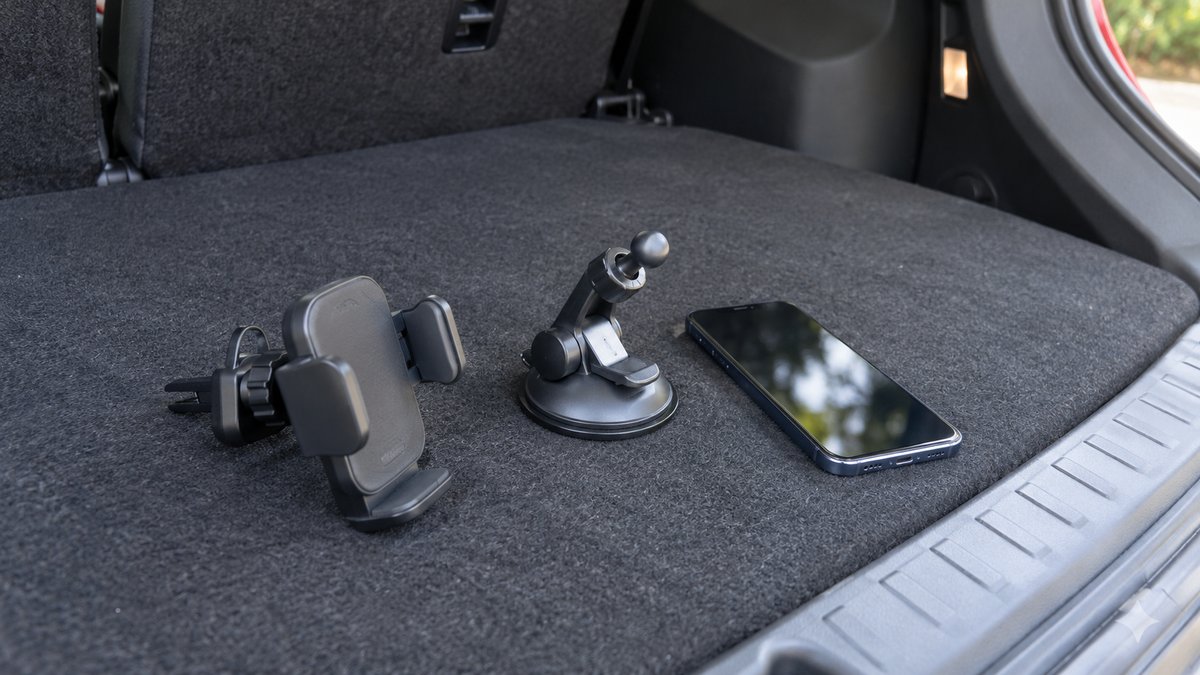
Choose the attachment and phone grip separately, then test the complete setup from the driving position while parked.