Buying guides
Budget Car Accessories Worth Buying for Daily Use
By Samveg Jain · Updated 21 October 2026 · 6 min read
Some links on this site may be affiliate links. If you buy through them we may earn a commission, at no extra cost to you. It never changes what we recommend. How this works.
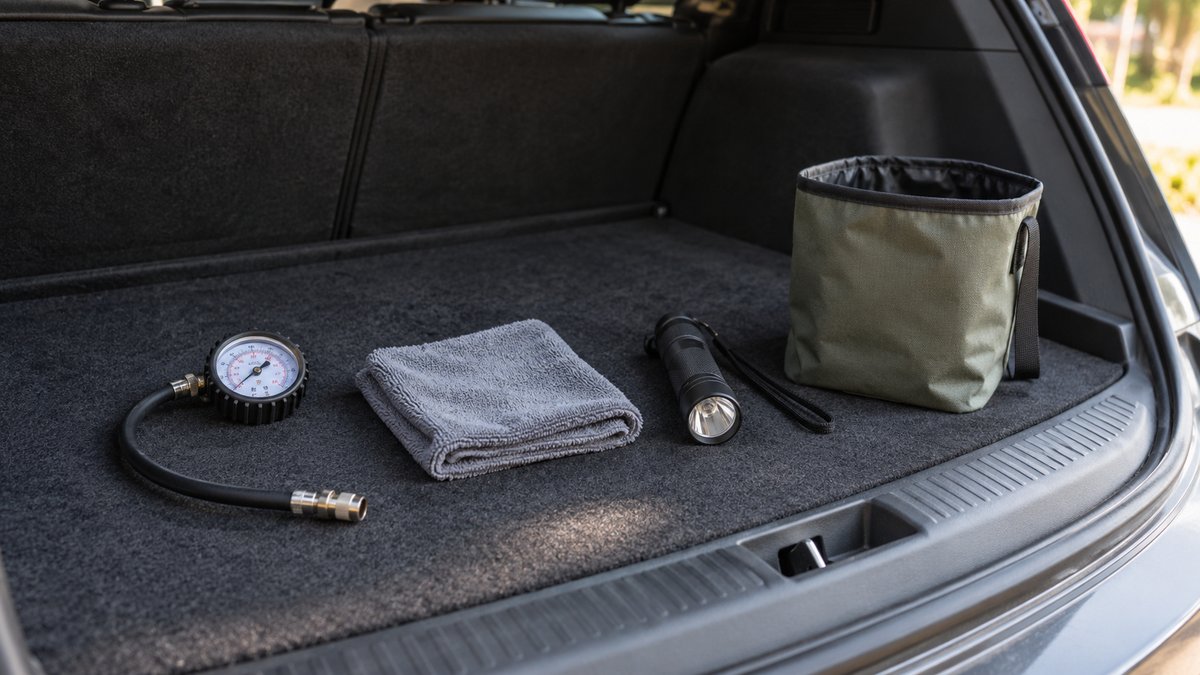
The budget car accessories most likely to earn their space solve recurring jobs: checking tyre pressure, cleaning glass, finding something in the dark and containing litter. Start with those needs before buying decorative or complicated gadgets. Check fit, cleaning needs and storage before keeping an item. A cheap accessory that stays unused or interferes with driving is poor value.
Set a problem before setting a basket
For one week, note the small tasks that make ordinary journeys awkward. Perhaps the phone cable falls between seats, rubbish accumulates in a door pocket or the boot is too dark to find a bag. Write the task in plain language. That makes it easier to identify a simple tool rather than respond to a large discount label.
Separate occasional inconvenience from a genuine gap in the vehicle kit. If an item duplicates something already supplied, inspect and learn the original equipment before replacing it. A new accessory can also create a maintenance task, such as charging, washing or replacing adhesive. Include that effort when deciding whether the purchase will remain useful.
Avoid treating every empty cupholder or socket as space that needs filling. Leaving the cabin uncluttered has practical value. The car should still offer clear controls, usable storage and room for occupants. Buy an item because you can describe its job and location, rather than because a bundle includes it.
A tyre gauge earns its place through repeat use
A pressure gauge lets you check tyres against the vehicle's recommended pressures. Compare readable units, valve access, grip and storage protection. The best fit for a daily user may be a modest tool that is easy to reach and use consistently, rather than one with a bright screen and several unused measurement modes.
Use the gauge according to its instructions and check pressures under the conditions specified by the vehicle maker. Keep valve caps clean and avoid pressing the tool at an awkward angle that releases air. The pressure gauge guide covers buying and checking details, including why a number on a display is only useful if the connection is sound.
If you also buy an inflator, decide whether its power lead reaches all wheels and whether it suits the car's supply. A gauge and inflator have related jobs, but a two-in-one label does not establish their accuracy or practicality. Buy the combination only after checking the parts you will use.
Keep a small cleaning kit with separate jobs
Start with clean microfibre cloths for glass and interior surfaces, plus a separate cloth for dirtier work. Use different colours or storage pouches to avoid wiping glass with a towel contaminated by grit. Check care instructions and wash cloths before they become a source of smears or scratches.
A compact kit is easier to keep clean than a bag full of open bottles. Choose cleaning products appropriate to the surface and follow their labels. Avoid storing chemicals where they may leak onto food, children’s supplies or electrical accessories. Our microfibre and wash kit guide explains how to separate paint, wheel and glass tasks.
Do not use perfume as a substitute for cleaning a spill. Find the source of the smell, dry the affected area and consider whether professional cleaning is needed. A sealed rubbish pouch and a routine of removing waste may solve the daily problem more effectively than a new scented accessory.
A torch is useful only if it is ready
A small torch can help with luggage, a dropped item or inspecting equipment while parked. Look for simple controls and an output level suitable for close work. A complicated sequence of flashing modes is less useful if you cannot select ordinary light quickly. Check that the switch will not turn on accidentally inside a bag.
Choose a power arrangement you will maintain. Rechargeable lights need occasional checks; replaceable-cell lights need compatible spare batteries and attention to storage. Keep the torch in a defined compartment instead of loose under a seat. A phone light may be available, but a separate torch avoids tying up the navigation or calling device during a delay.
For roadside use, a torch belongs alongside appropriate warning equipment. It does not replace reflective gear or make it safe to stand in traffic. Read the roadside safety kit guide before building a kit around lighting alone. Check the manufacturer's instructions and local rules for safety equipment.
Small storage can remove daily friction
A soft litter pouch, a cable pouch or a well-fitted boot divider can keep ordinary items contained. Compare how the organiser attaches and whether it stays secure when loaded. Avoid hard boxes placed near a passenger's head, heavy bags hanging from weak trim or any storage that covers an airbag area.
Make the storage capacity match the job. A large multi-pocket organiser can become a collection point for equipment nobody uses. A narrow pouch holding one cable and a cloth may solve the real problem more neatly. Check the organiser buying guide for fitting around seats, luggage points and frequently accessed equipment.
A value checklist that works without a price target
- Can you name the task the item will perform this month?
- Does it fit the car and have a defined secure storage position?
- Are instructions and care requirements clear?
- Will it stay clear of pedals, visibility, seat belts and airbags?
- Can you maintain it without buying several extra accessories?
- Is the useful function already supplied by something you own?
- Can the seller explain compatibility and support if a part fails?
Spend more attention on safety-critical items
Do not reduce a first aid kit, restraint or electrical accessory to the cheapest listing. Check suitability, documentation and the condition of components. A large safety bundle may contain unsuitable or expired pieces. Buy the correct type and understand its use rather than counting included objects as proof of preparedness.
Review the car after a month and remove items that migrated into the footwell or were never used. Keep the pieces that make a regular task easier. Use the accessories to avoid guide to assess tempting extras before adding them. Budget buying works best as a short sequence of practical improvements, with each purchase justified by a job it performs.
What to look for when you buy
Compact tyre pressure gauge
Readable units, accessible valve connection and protective storage.
Small rechargeable torch
Simple controls, a dependable charging method and a secure storage point.
Labelled microfibre cloth set
Distinct cloths for glass and dirty jobs with clear washing instructions.
Soft litter pouch
A secure position clear of controls and a liner that can be cleaned.
Frequently asked questions
Which low-cost accessory should I buy first?
Choose the item that solves your most frequent unresolved task. A tyre gauge, torch or cleaning cloth can be more useful than decorative electronics.
Are large accessory bundles good value?
Only when the pieces are suitable and needed. Count useful functions rather than the advertised number of items.
Is a cheap phone holder worth buying?
Only if it securely fits the phone and vehicle without blocking visibility or interfering with airbags and controls.
Should I buy safety gear on price alone?
No. Compatibility, instructions, suitable construction and reliable support matter more than the lowest price.
More guides
Buying guides
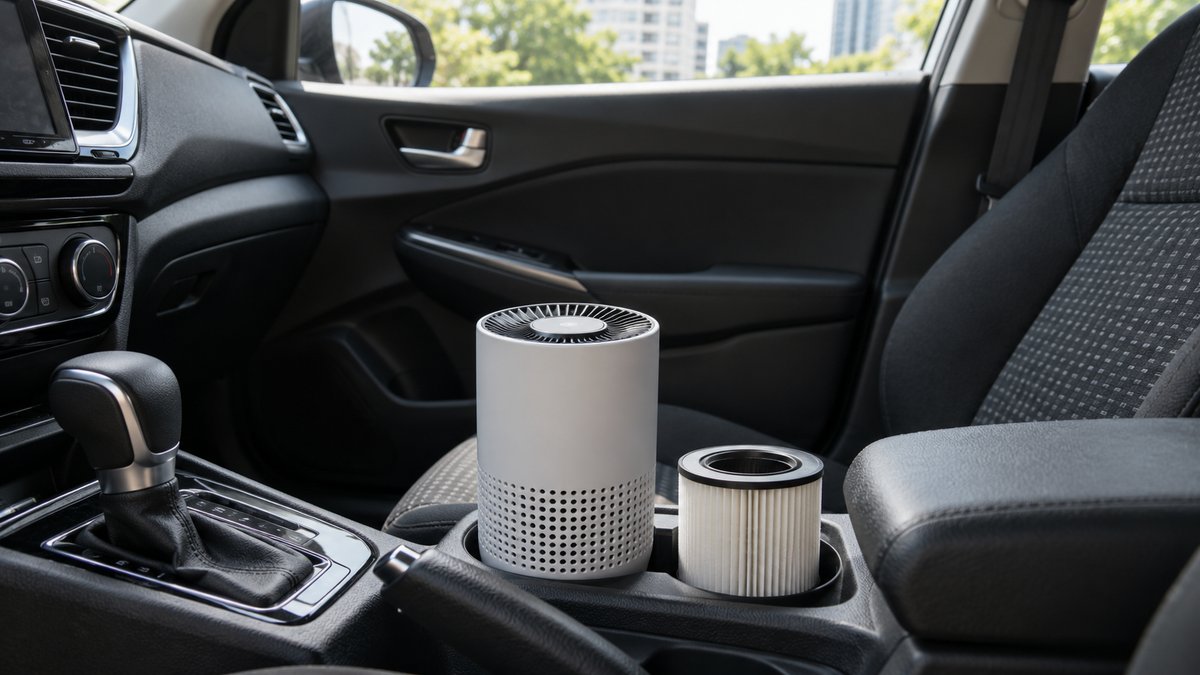
Car Air Purifier: Filter, Airflow and Running Costs
Choose a filter purifier with clear airflow evidence and available replacements. Remove odour sources and check safe mounting before buying.
Buying guides
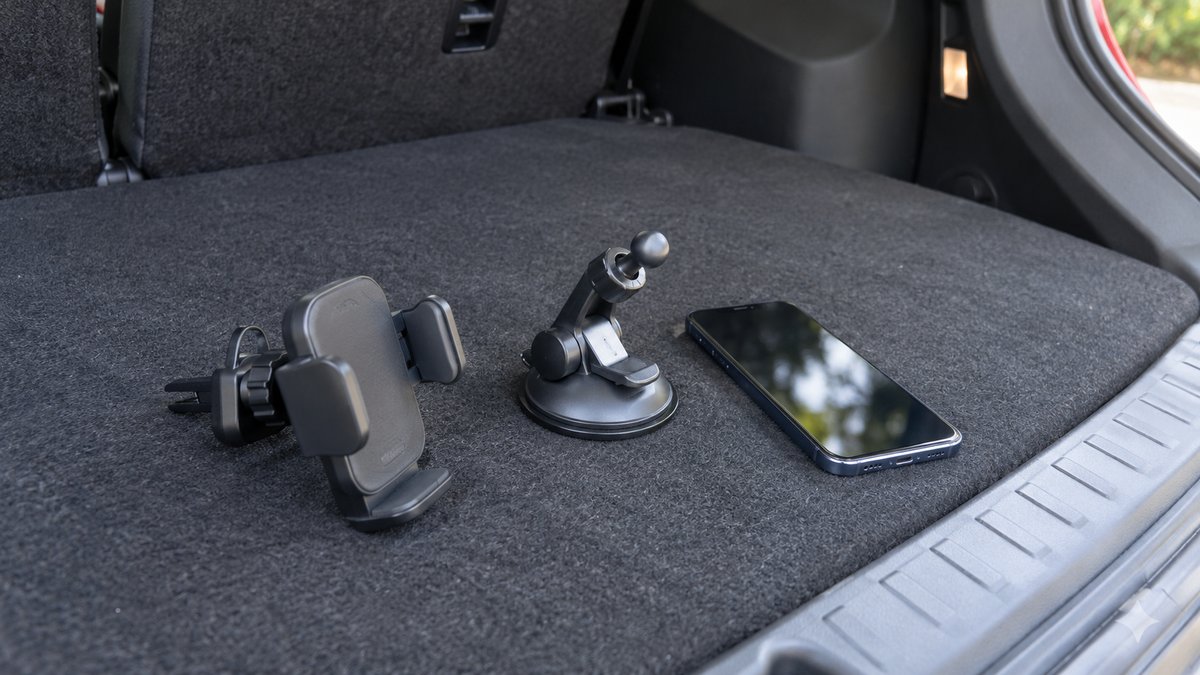
Car Phone Holder Types Compared: Mount and Fit
Choose the attachment and phone grip separately, then test the complete setup from the driving position while parked.
Buying guides
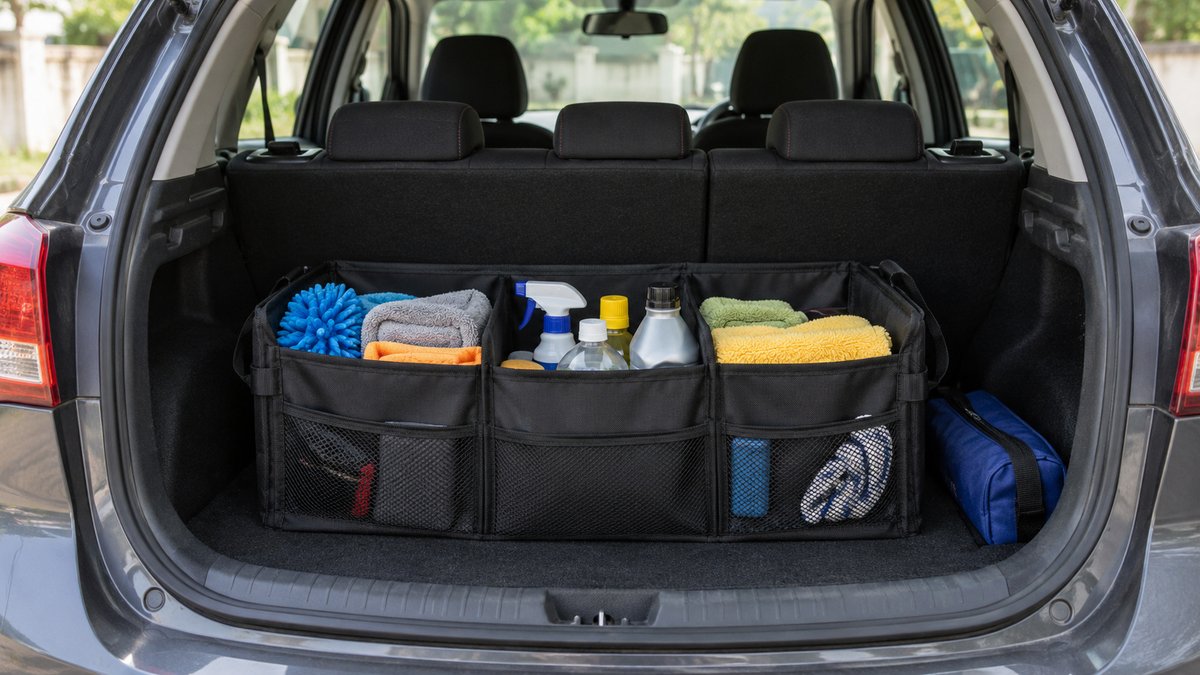
Car Seat and Boot Organisers: What Fits Where
Choose organisers by anchor points and usable space. Keep heavy items low, emergency gear accessible and seat controls clear.