Safety gear
Car Safety Around Firecrackers: Parking for Diwali
By Samveg Jain · Updated 25 October 2026 · 5 min read
Some links on this site may be affiliate links. If you buy through them we may earn a commission, at no extra cost to you. It never changes what we recommend. How this works.
Quick answer
Park away from firecracker activity, preferably in a designated covered space, and close the windows and sunroof. Do not rely on a car cover to stop sparks or approach a burning vehicle to move it.
Protect your car around firecrackers by parking away from the activity, closing every window and avoiding exposed roadside spaces where sparks or debris can land. A cover is not a fire shield. If the car is already burning or surrounded by active fireworks, keep away rather than trying to move it.
Diwali 2026 falls on Sunday 8 November. Arrange parking before the evening becomes busy, especially if your usual space opens onto a lane used for celebrations. This is general safety information. Local firecracker rules vary by city and state: check the current rules where you drive and follow local authority and fire service advice.
Choose the parking space before choosing accessories
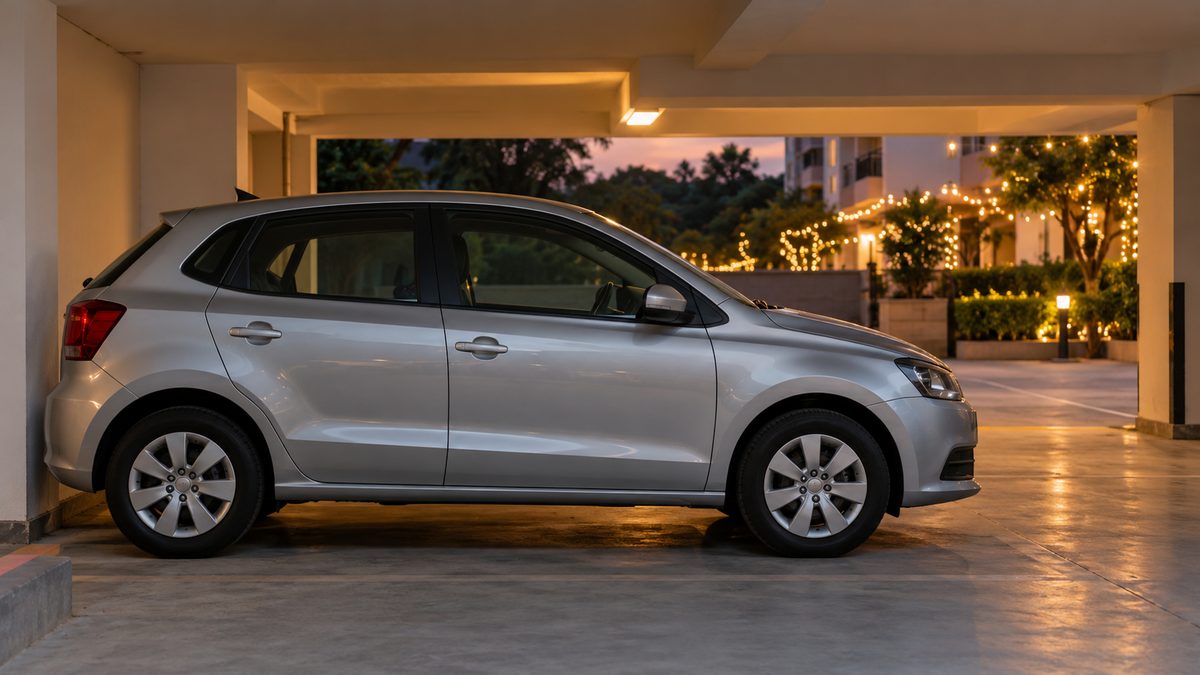
A designated covered parking bay away from celebrations is preferable to a car left beside the firing area. Look at the approach as well as the bay: can you reach it without crossing a crowd, and will the exit remain clear? Ask building management where firecrackers are expected and where residents should leave vehicles.
If covered parking is unavailable, choose a permitted space away from people setting off fireworks, loose rubbish and stored combustible materials. Avoid blocking gates, fire access or pedestrian routes. An empty patch beside a celebration is not a suitable space simply because the car fits there.
Move the car while conditions are quiet. Do not wait for sparks to reach the bonnet before deciding to relocate. If the surroundings have become unsafe, stay at a safe distance and seek help rather than walking through the firing area to collect the vehicle.
Understand why a cover can create another problem
A weather cover may keep ordinary dust off paint, but that does not establish resistance to sparks, heat or burning debris. Fabric can be damaged, melt or catch fire depending on its material and exposure. Do not infer fire protection from a thick lining, a silver finish or a waterproof description.
Follow the cover and vehicle instructions, including any requirement for the car to cool before fitting. If fireworks will be set off nearby, change the parking arrangement rather than choosing between covered and uncovered exposure. Our car cover buying guide covers weather-related selection; those features are separate from fire safety.
Close openings and remove loose combustible items
Before leaving the car, close the windows and sunroof fully and check the doors and boot are latched. A partly open window gives sparks and dust a route into the cabin. Remove loose paper, packaging and festival decorations from the exterior, especially anything near lamps or moving parts.
Do not leave spare fuel, firecrackers or unnecessary flammable products inside. Keep the surrounding bay free of your own discarded boxes and cloths. Avoid running the engine to keep an unattended cabin ventilated, particularly in enclosed parking. Lock the car and keep its keys accessible at home without planning a risky last-minute rescue.
Store an extinguisher for access, not reassurance
A vehicle extinguisher needs an appropriate rating, usable condition and secure installation. Ask a competent supplier about suitability for the car and likely fire risks. Read its instructions before an incident, and check its service status and indicator where fitted. The car fire extinguisher guide explains the buying checks.
Use a bracket and location permitted by the vehicle and extinguisher instructions. A loose cylinder can roll under a pedal or strike an occupant. It should be reachable without unloading luggage, while staying clear of airbags, seat movement and driving controls.
If you see flames or suspect a vehicle fire, move people away and call emergency services from safety. Do not open the bonnet, return for belongings or attempt to drive the vehicle away. An extinguisher is not a reason to approach danger; any use depends on training, safe conditions and a clear escape route. Leave uncertain situations to firefighters.
Inspect the ground and bodywork before starting next morning
Approach only when celebrations have ended and the area is safe. Look from a distance first for smoke, unusual heat or smouldering material. Do not touch suspicious debris or reach beneath the car. Use this sequence before opening up and setting off.
- Check the ground around the tyres for sharp fragments, firework remnants and any fresh fluid leak.
- Look over the roof, bonnet and boot for residue, scorch marks, melted material or damaged trim.
- Inspect visible tyre sidewalls, lamps, mirrors and glass without rubbing deposited ash.
- Check that wipers and the area at the base of the windscreen are free of debris before operating them.
- Check the cabin for a persistent burning smell or visible damage before starting the engine.
Any sign of smoke, heat, fuel smell, damaged wiring or a fresh leak needs professional assessment. Keep clear and contact emergency services if there is an immediate danger. For tyre damage or melted components without an active emergency, arrange workshop advice before driving; a short journey is still a journey on the affected part.
Remove cooled ash without hiding damage
Once you have ruled out an immediate hazard, photograph any damage before washing. Do not polish a scorch mark or scrape fused residue with a blade. A bodywork specialist can assess paint or trim damage and advise what can be cleaned without making it worse.
For loose, cooled ash, use the rinse-first process in cleaning a car after Diwali. Avoid wiping the roof with a dry cloth or starting dusty wipers. If you also need to drive through celebrations later, the festive traffic driving guide helps plan a calmer route and arrival.
What to look for when you buy
Vehicle fire extinguisher
Suitability for vehicle fire risks, clear instructions, service support and a secure compatible mounting bracket.
Inspection torch
A charged light that lets you inspect tyres and the ground without reaching beneath the car.
Wash kit
Car shampoo and clean microfibre wash materials for removing cooled residue without dry rubbing.
Frequently asked questions
Should I disconnect the battery before Diwali?
Do not disconnect it as a routine firecracker precaution. Follow the vehicle handbook; disconnection can affect alarms and other systems and does not protect the bodywork from sparks.
Can a dash cam protect the car while parked?
It may record an incident if configured for parking use, but it cannot prevent heat damage. Check the camera and vehicle instructions for power use.
Does wax make paint resistant to firecrackers?
Do not treat wax or a coating as fire protection. Choose a different parking location rather than relying on a surface treatment.
What if I find an unexploded firecracker beside a tyre?
Keep people away and do not touch, kick or drive over it. Ask local emergency services or the responsible authorities for safe handling advice.
Should I photograph possible damage before cleaning?
If the area is safe, photograph the marks and surrounding car before washing. Keep the original images and check your insurance policy or speak to the insurer about any claim requirements.
More guides
Safety gear
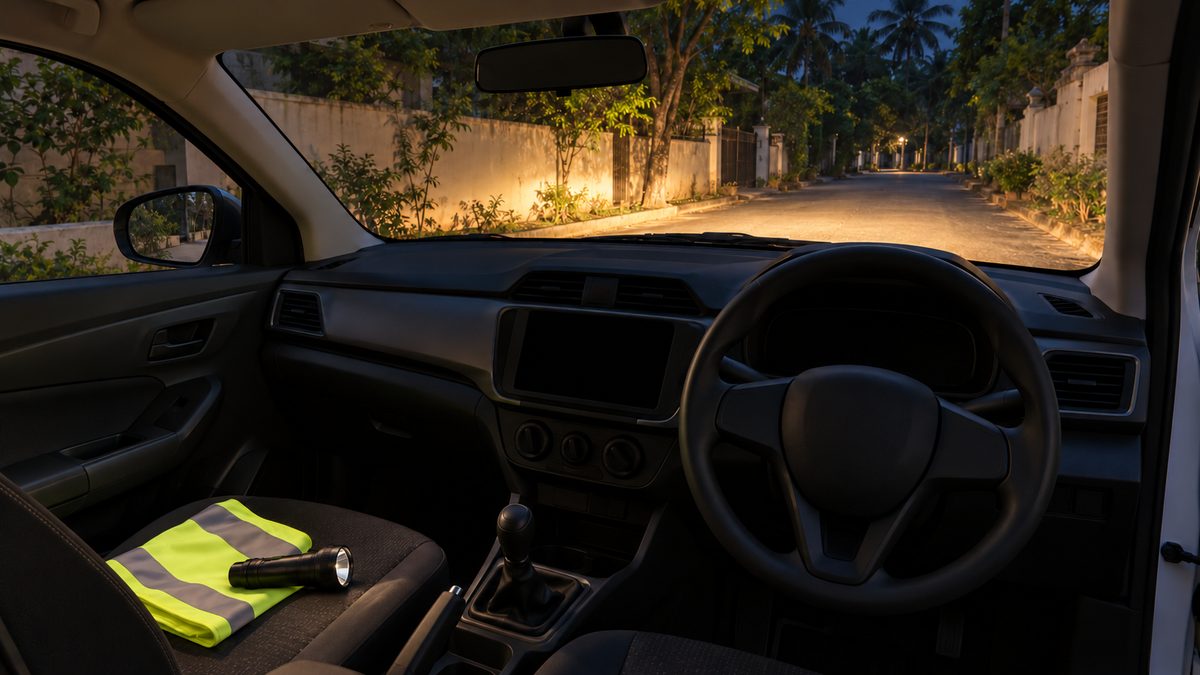
Night Driving Checklist: Lights, Glare, Fatigue and Kit
Prepare for an evening drive with checks for lights, glass, mirror glare, fatigue and breakdown equipment, plus clear reasons to delay.
Safety gear
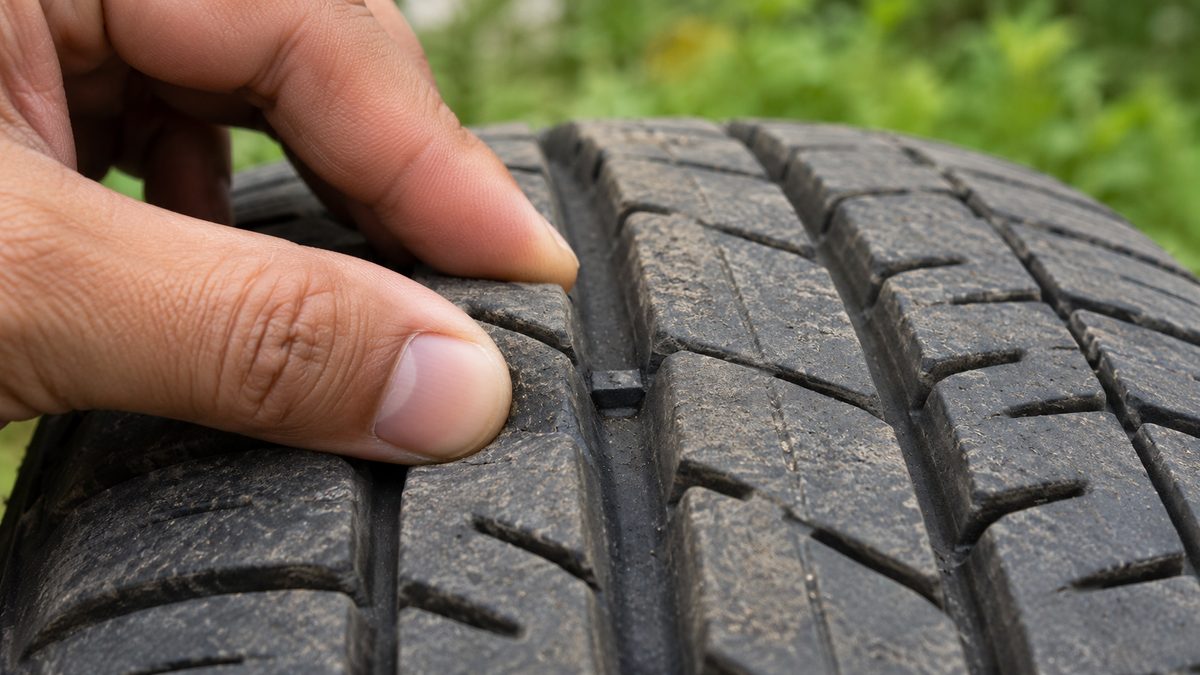
Tyre Tread Depth: Check Wear Before Buying Replacements
Inspect tread grooves, wear indicators and uneven wear before choosing replacement tyres. Know when a professional inspection cannot wait.
Safety gear
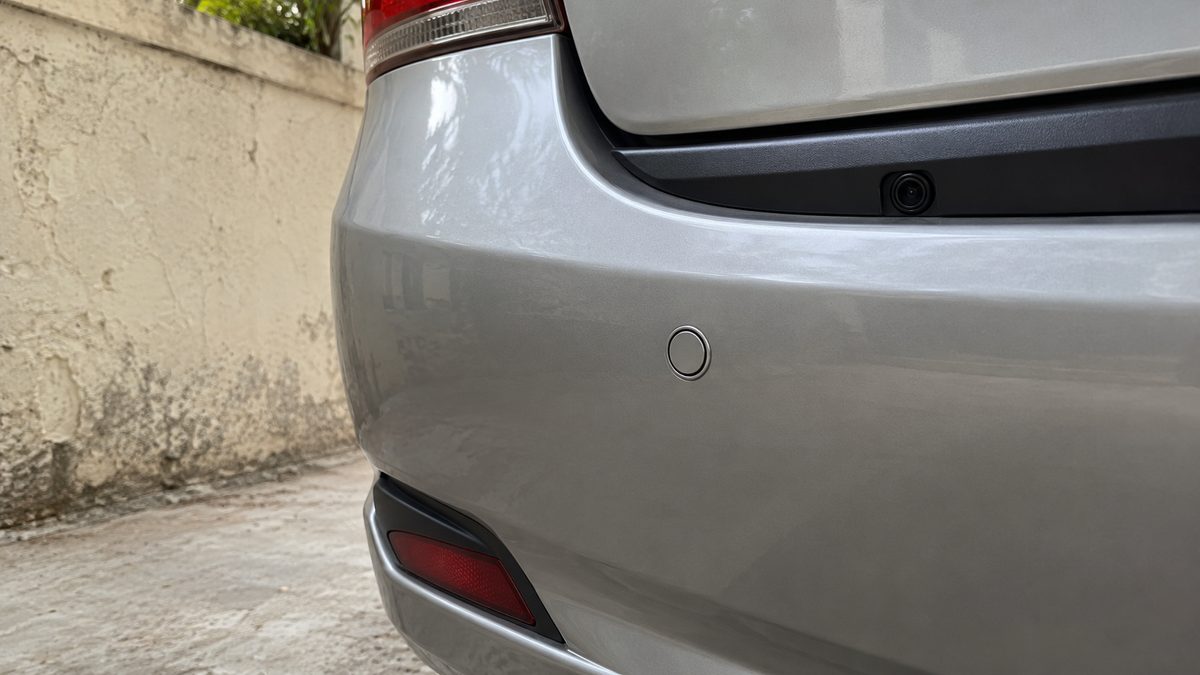
Reverse Parking Cameras vs Sensors: A Fitment Guide
Compare reversing cameras and parking sensors by coverage, installation and limits. Choose a system that supports direct observation.