Car care gear
Windscreen Fogging Up Inside: Causes, Fixes and Anti-Fog Gear
By Samveg Jain · Updated 21 October 2026 · 6 min read
Some links on this site may be affiliate links. If you buy through them we may earn a commission, at no extra cost to you. It never changes what we recommend. How this works.
Quick answer
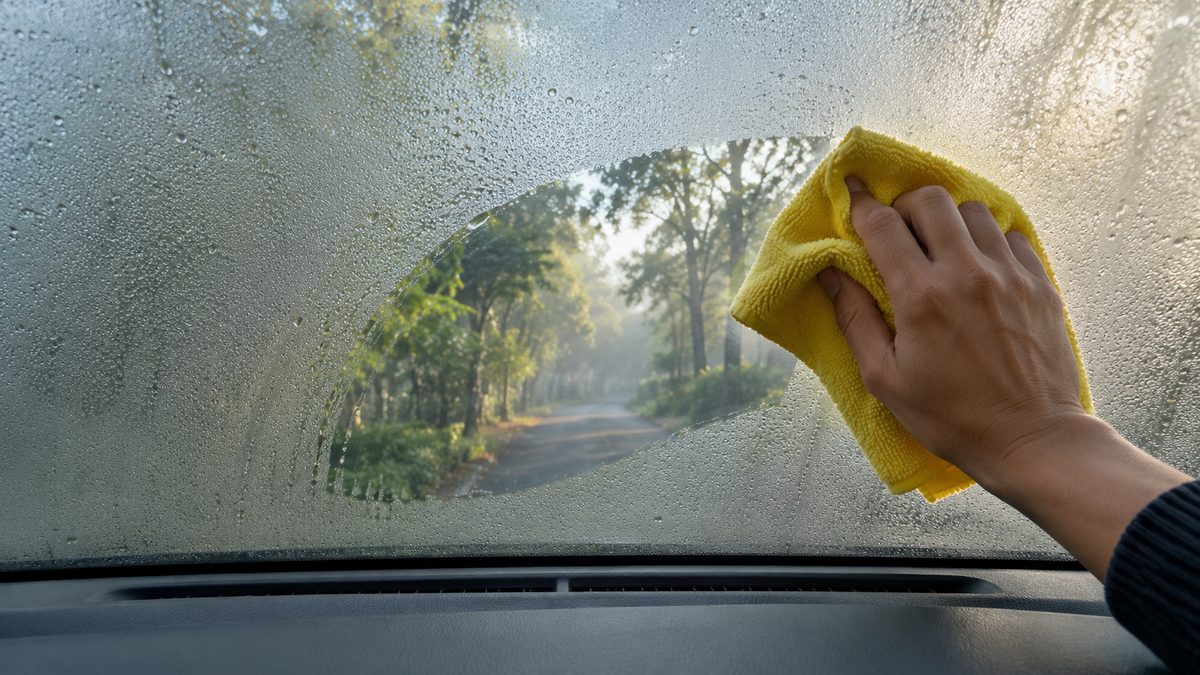
A windscreen fogs up inside when warm, moist air in the cabin meets cold glass. To clear it, select the windscreen demist setting, switch on the AC to dry the air, choose fresh air instead of recirculation, and direct the vents to the glass. To stop it returning, clean the inside of the glass, remove damp items and check the cabin filter.
A windscreen that mists up inside the moment you start driving is common on cold winter mornings and wet days. The cause is simple: warm, moist air in the cabin meets cold glass and the moisture condenses. The fix is just as simple once you know which controls to use, and a few cleaning habits stop it coming back.
Clear it quickly and safely
- Select the windscreen demist setting. It sends air to the glass, and on many cars it switches the AC on automatically.
- Switch the AC on. The AC dries the air before it reaches the glass, even when you raise the temperature.
- Choose fresh air, not recirculation. Recirculation keeps moist air inside; fresh air brings in drier outside air.
- Turn the fan up and close the side vents that blow at your face so more air reaches the glass.
- Switch on the rear screen heater if your car has one.
- Wait until you can see clearly before moving off. Do not drive with a small cleared patch.
Avoid wiping the glass with your hand or sleeve. It leaves greasy streaks that cause glare from headlamps and make misting worse next time. If you must wipe, use a clean, dry cloth kept only for glass.
Why some cars fog up more than others
| Cause | What to do |
|---|---|
| Dirty interior glass | Clean it; dirt and film give moisture something to cling to |
| Wet mats, umbrellas or clothes | Take them out to dry instead of leaving them in the car |
| Recirculation left on | Switch to fresh air when the glass starts to mist |
| Blocked or old cabin filter | Replace it as the service schedule recommends |
| Leaking seals or wet carpet | Find and fix the leak; a workshop can test the seals |
| Several people in the car | Use fresh air and the AC from the start of the trip |
The cabin filter is easy to forget. A clogged filter cuts airflow to the glass, so the demister works more slowly. Our cabin air filter guide explains when to replace it and what the different types do.
Clean the inside of the windscreen properly
The inside of the windscreen collects a film from plastics, smoke, cooking smells carried on clothes and the dashboard. That film scatters light and holds moisture. Clean it every few weeks in winter:
- Use a glass cleaner that is safe for tint film and any coatings on your glass.
- Spray the cloth, not the glass, so cleaner does not drip onto the dashboard or screens.
- Wipe with one clean cloth, then buff dry with a second.
- Reach the bottom edge of the windscreen with a long-handled tool if your arm cannot get there.
- Keep glass cloths separate from cloths used for dashboard dressing or wax.
The microfibre cloth guide explains which cloths leave the fewest streaks.
Anti-fog products: what helps and what to check
Anti-fog treatments leave a thin layer on the inside of the glass that stops water forming visible droplets. On clean glass, some reduce misting for a while. Choose one that says it is suitable for interior car glass, follow the application and buffing steps exactly, and test the result at night with headlamps behind you. If you see glare, smearing or haze, remove it before driving in poor visibility.
Moisture-absorbing bags sit on the dashboard or under a seat and soak up some of the moisture in the cabin. They can help a car that is parked outdoors for long periods. Choose a sealed, non-spill design, keep it where it cannot slide under the pedals, and dry it out as the instructions say.
Do not apply exterior rain repellent to the inside of the glass unless the label allows it. The rain repellent guide covers outside-glass treatments separately.
What not to do
- Do not use household cleaners with ammonia on tinted glass unless the tint maker allows it.
- Do not drive with only a small patch cleared.
- Do not hang air fresheners or objects from the mirror where they block the view. The accessories to avoid guide lists others.
- Do not ignore fogging that comes with a sweet smell or a damp footwell. That can point to a fault needing a workshop check.
Before the winter season
Check that the demister, AC and rear screen heater work, clean the inside glass, replace a tired cabin filter and remove damp items from the car. These small jobs matter most on foggy winter mornings, when you need a clear windscreen straight away. Our winter fog driving guide covers lights and the rest of the gear worth checking.
What to look for when you buy
Interior glass cleaner
A streak-free cleaner that is safe for tinted film and coated glass, used as directed.
Anti-fog treatment for car glass
Clear surface approval for interior glass, simple application steps and no glare after use.
Reusable moisture-absorbing bag
A sealed, non-spill design and a clear method for drying it out to reuse.
Replacement cabin air filter
The exact fit for your model, listed in the handbook or a reliable parts catalogue.
Frequently asked questions
Why does my windscreen fog up when it rains or is cold?
Breath, wet clothes and damp mats add moisture to cabin air. When that air touches cold glass, the moisture condenses into a fine mist.
Should I use hot or cold air to clear the windscreen?
Use the demist setting with the AC on. The AC removes moisture from the air, and you can raise the temperature for comfort once the glass starts to clear.
Does recirculation make fogging worse?
Usually, yes. Recirculation keeps moist air inside the cabin. Fresh-air mode brings in drier outside air and helps the glass clear faster.
Do anti-fog sprays work on car windscreens?
Some can reduce misting on clean interior glass, but results vary. Use one approved for car glass, follow the instructions, and check there is no glare or smearing before driving.
What if the windows keep fogging even with the AC on?
Look for a source of damp, such as a leaking seal or wet carpet, and check the cabin filter. Persistent fogging or a sweet smell can point to a fault that a workshop should inspect.
More guides
Car care gear
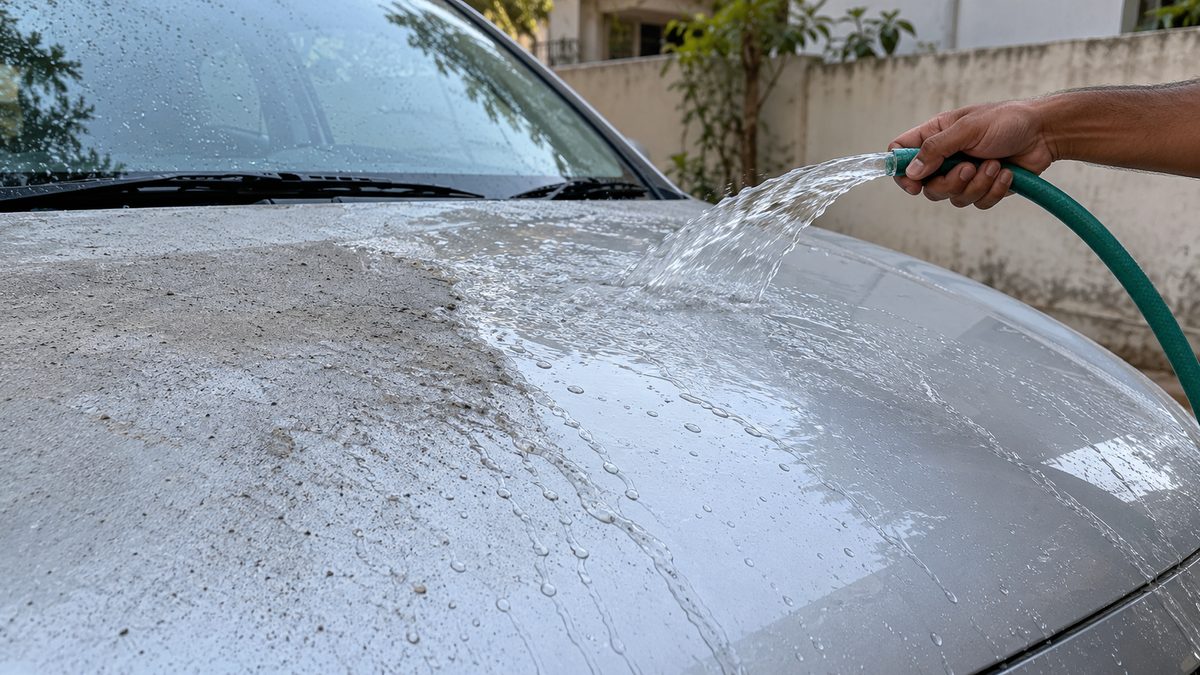
Car Cleaning After Diwali: Remove Ash Without Scratching
A rinse-first cleaning routine for the morning after Diwali, with separate steps for paint, glass and the cabin.
Car care gear
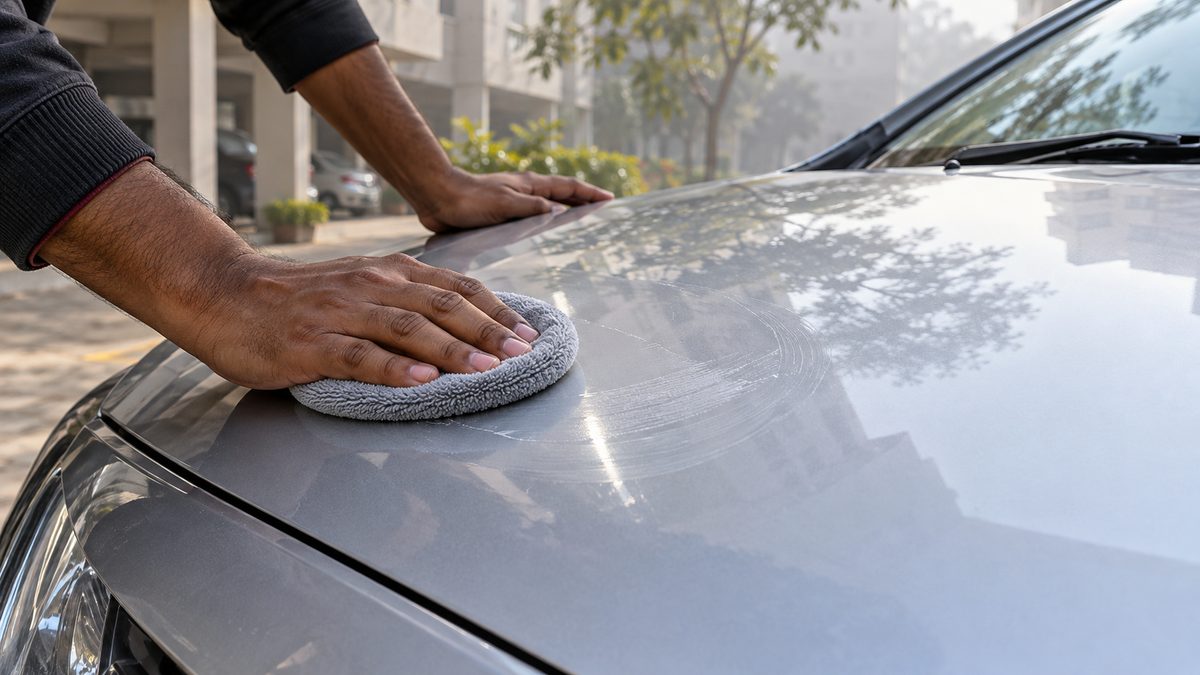
Car Wax for Winter: Dust, Fog and Paint Care
Choose wax or sealant for clean paint, then manage winter dust and damp with gentle washing, careful drying and sensible parking.
Car care gear
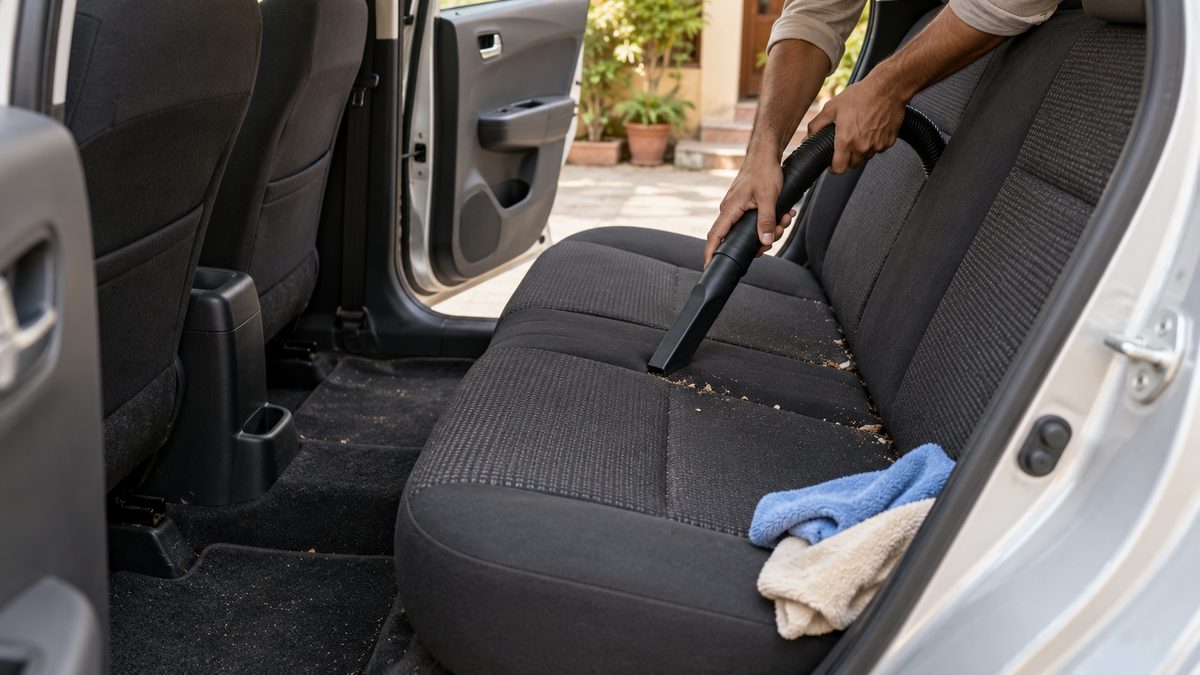
Clean the Car Interior Before Festive Travel, Zone by Zone
A practical order for cleaning the boot, seats, floor, dashboard, vents and glass, with drying and child-seat checks before travel.