Car care gear
Microfibre Cloth and Car Wash Kit for Home
By Samveg Jain · Updated 21 October 2026 · 5 min read
Some links on this site may be affiliate links. If you buy through them we may earn a commission, at no extra cost to you. It never changes what we recommend. How this works.
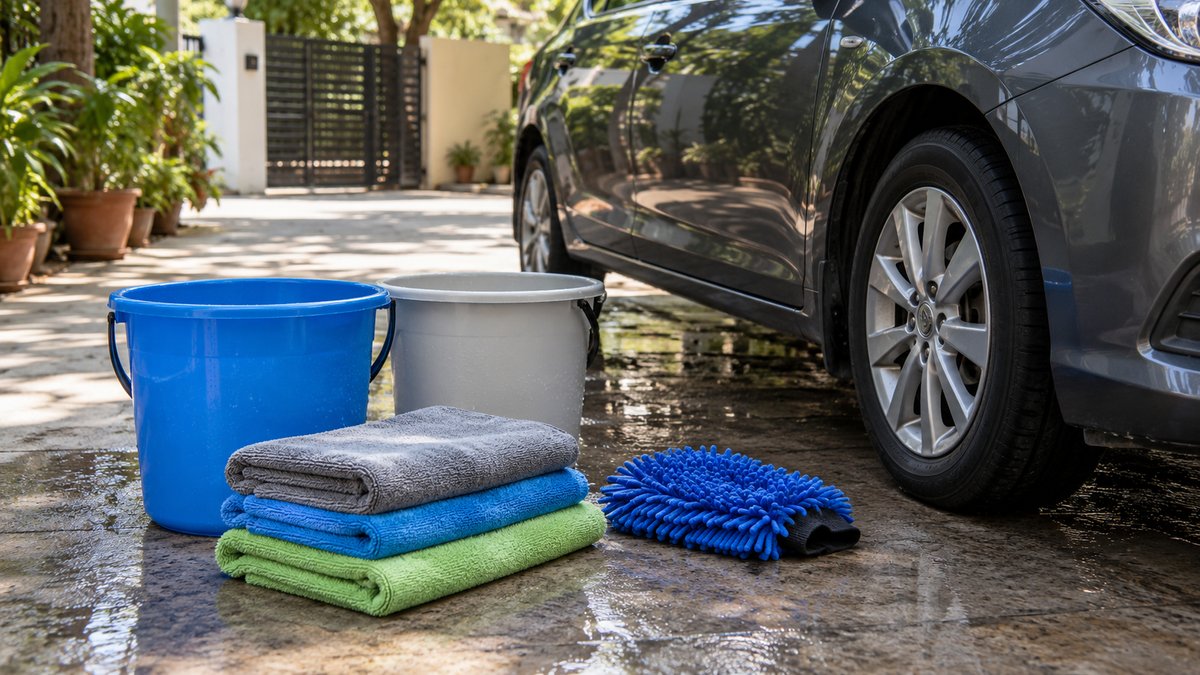
Build a home car wash kit around separate jobs: washing paint, drying it, cleaning glass and dealing with wheels. A few well-chosen towels used cleanly are more useful than a large mixed bundle. Buy surface-compatible liquids, keep gritty equipment separate and plan how everything will be washed and dried after the car is finished.
Start with your working space
Check water access, drainage, local restrictions and where runoff will go. Choose a legal washing location with a cool surface and enough space to move safely. Avoid washing beside moving traffic or letting hoses become a trip hazard across a shared path. If your parking arrangement cannot support a suitable wash, choose a professional service instead of forcing the routine.
Measure storage space before buying large buckets and many bottles. A small apartment setup may favour a compact kit used regularly. If equipment must travel to a washing area, closed containers and manageable weight matter. Consider where wet towels will dry afterwards. Putting them straight into a sealed boot organiser defeats a clean storage plan.
Choose cloths by the job
A drying towel needs enough capacity and manageable dimensions to work across panels without dragging on the floor. Glass cloths should suit residue-free wiping with the chosen cleaner. Small utility cloths work around door shuts and dirty trim. Wheel cloths should remain dedicated to wheels, where contamination is different from the dirt on cleaned paint.
Fabric weight is one specification, not a complete quality score. Weave, edge construction, softness and care instructions also matter. A very plush cloth can be awkward around tight trim, while a smoother cloth may be convenient for glass. Examine the surface for debris, hard labels or rough seams before use. Do not assume new packaging guarantees a perfectly clean towel.
Compare a compact starter kit
- A soft wash mitt offers a dedicated washing surface, but must be rinsed and inspected frequently. Do not continue using it after it falls onto a dirty floor.
- A large drying towel reduces the need to manage many small cloths, but its edges must stay off the ground. Choose a size you can control comfortably.
- Two distinguishable glass cloths support separate cleaning and finishing passes when the product directions call for that approach. Keep them free of dressings and wax residue.
- Dedicated utility and wheel cloths prevent task confusion. Use a consistent colour system and separate storage rather than expecting everyone to recognise identical grey towels.
Read liquid labels before bundling
Check shampoo dilution and surface approval. A bottle labelled for exterior paint does not automatically belong on screens, interior leather or unpainted trim. The vehicle handbook remains the starting point for special finishes and coatings. Do not mix cleaning chemicals or use household substitutes without documented compatibility. Stronger concentration is not automatically better cleaning.
Buy modest quantities until you know the product suits your surfaces and routine. Keep bottles labelled and upright with their original closures. Never transfer chemicals into drink containers. When a cleaner needs gloves, ventilation or other precautions, those instructions become part of the equipment list. The kit should remain straightforward enough that you can follow its directions each time.
Organise the wash to protect clean equipment
Remove loose surface contamination using a vehicle-appropriate method before contact washing. Keep the wash solution and rinsing arrangement clean rather than repeatedly loading a dirty mitt back onto paint. Work in manageable sections so products do not dry contrary to their instructions. If water becomes heavily dirty, change it rather than trusting a bucket accessory to solve everything.
Clean wheels with their own equipment and keep that equipment away from paint towels. Inspect cloth faces as you work. Fold a cloth to expose a clean section when appropriate, and stop using one that has picked up grit. A systematic routine matters more than adding another bottle that promises to hide scratches left by careless washing.
Make laundry part of the purchase
Read the towel maker's washing temperature, detergent and drying guidance. For example, manufacturer microfibre care guidance warns against fabric softener because it reduces performance. Keep heavily contaminated cloths separate and avoid laundry products the instructions prohibit. Inspect towels after washing for trapped particles and hardened contamination. A towel that feels wrong should be reassigned to an appropriate dirty job or discarded rather than returned to paint duty.
Dry everything fully before closed storage. A clean lidded container can protect dry paint towels from boot dust, while wheel brushes need their own section. The organiser guide helps separate equipment, but storing every chemical in a hot car may conflict with label limits. Keep the main wash supply in suitable home storage when possible.
Check the kit before ordering
- Count distinct tasks rather than total pieces. Confirm that the bundle includes useful cloth sizes instead of many identical small towels with no clear purpose.
- Ask for material and care information. Inspect edges, labels and seams that might contact paint, and make sure the cleaning method fits your laundry setup.
- Confirm product compatibility with the vehicle finish and any existing protection. Special surfaces deserve explicit instructions, not an assumption that all car shampoos are identical.
- Plan storage for clean, dirty and drying equipment. Decide where the mitt and wheel tools go immediately after use, before they contaminate clean towels.
- Buy replacement consumables in realistic quantities. Large containers are poor value if storage is unsuitable or the liquid expires before you can use it.
Keep the cabin and glass connected to the routine
For interior grit, choose a car vacuum before reaching for wet cleaners. Our odour guide explains why drying and source removal matter. A heavily scented dashboard cleaner cannot substitute for removing damp mats or food residue from beneath a seat.
Use the wiper and glass-treatment guide for windscreen-specific products. Keep a small clean emergency cloth in the car, but do not return it to the paint-towel container after wiping a dirty sill. Review the kit after several washes and replace the item that limits your routine, rather than buying another oversized bundle.
What to look for when you buy
Paint drying towel
Soft finish, useful size and clear washing instructions.
Wash mitt and buckets
Easy rinsing, clean storage and manageable water handling.
Separate glass and utility cloths
Distinct colours and a routine that prevents wheel dirt reaching paint.
Frequently asked questions
Is the highest fabric weight always best?
No. Match weave, size and handling to the task; heavier cloth can be awkward on glass or trim.
Can one towel clean the whole car?
Keep wheels, paint, glass and dirty utility jobs separate to reduce contamination transfer.
Should I use fabric softener?
Follow the towel instructions; many microfibre makers advise against it because residue affects performance.
Can I wash in direct sun?
Choose a cool surface and suitable shade, following product directions so cleaners do not dry unexpectedly.
More guides
Car care gear
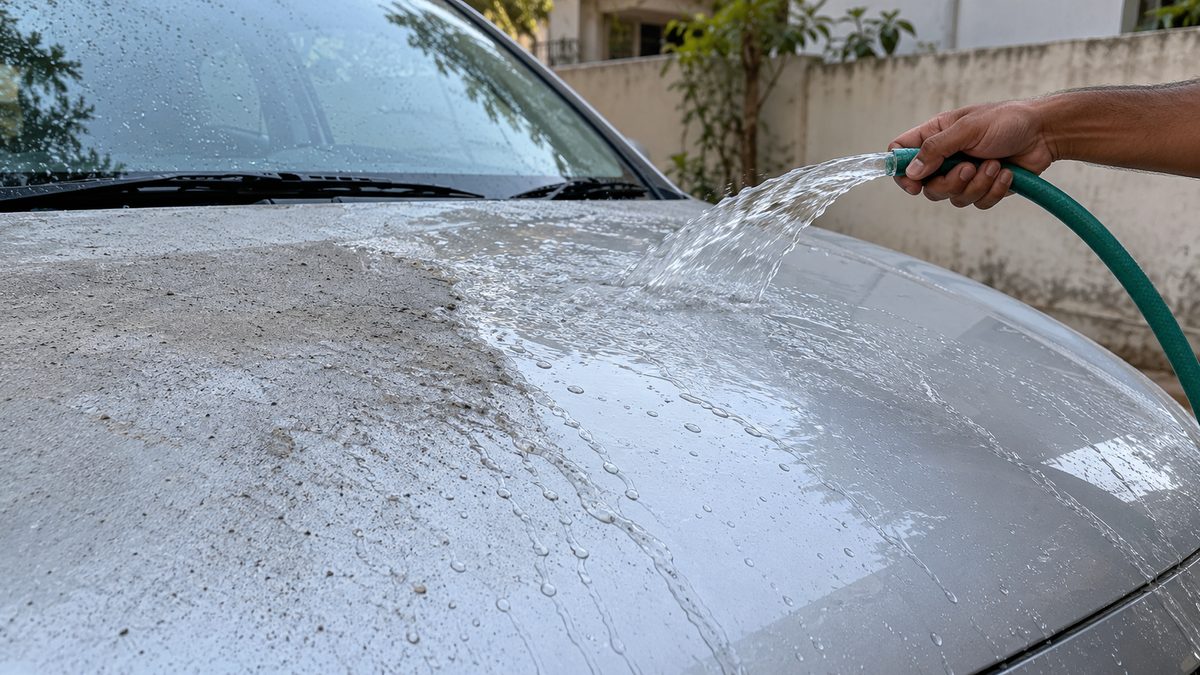
Car Cleaning After Diwali: Remove Ash Without Scratching
A rinse-first cleaning routine for the morning after Diwali, with separate steps for paint, glass and the cabin.
Car care gear
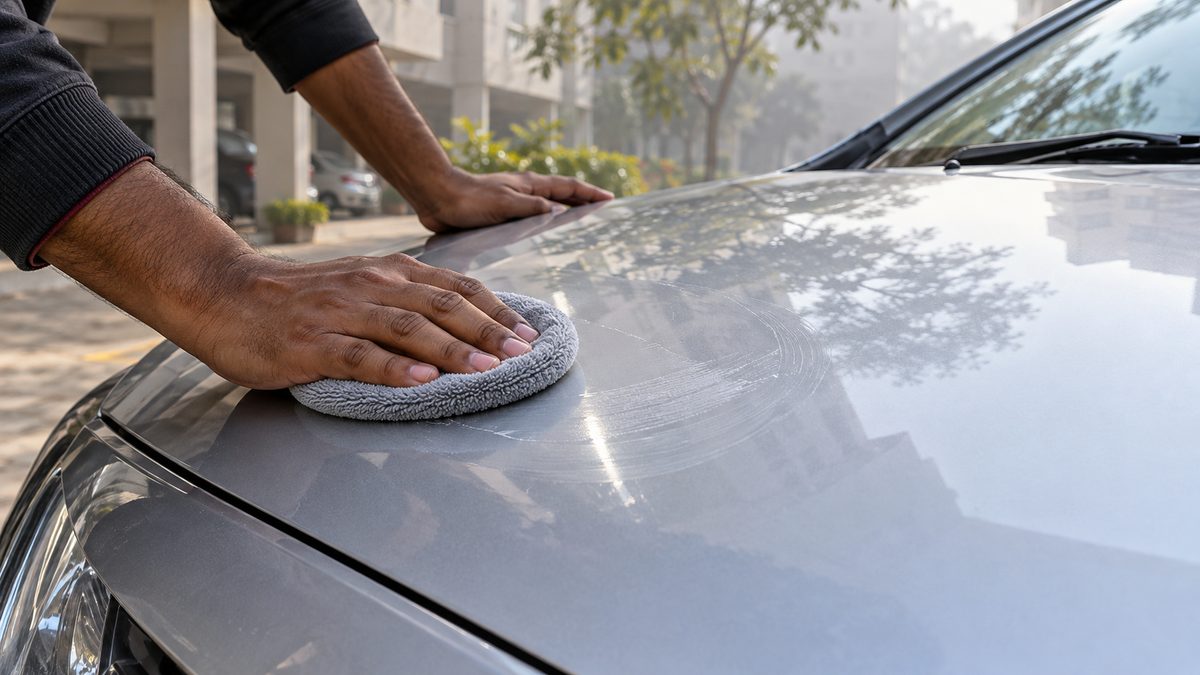
Car Wax for Winter: Dust, Fog and Paint Care
Choose wax or sealant for clean paint, then manage winter dust and damp with gentle washing, careful drying and sensible parking.
Car care gear
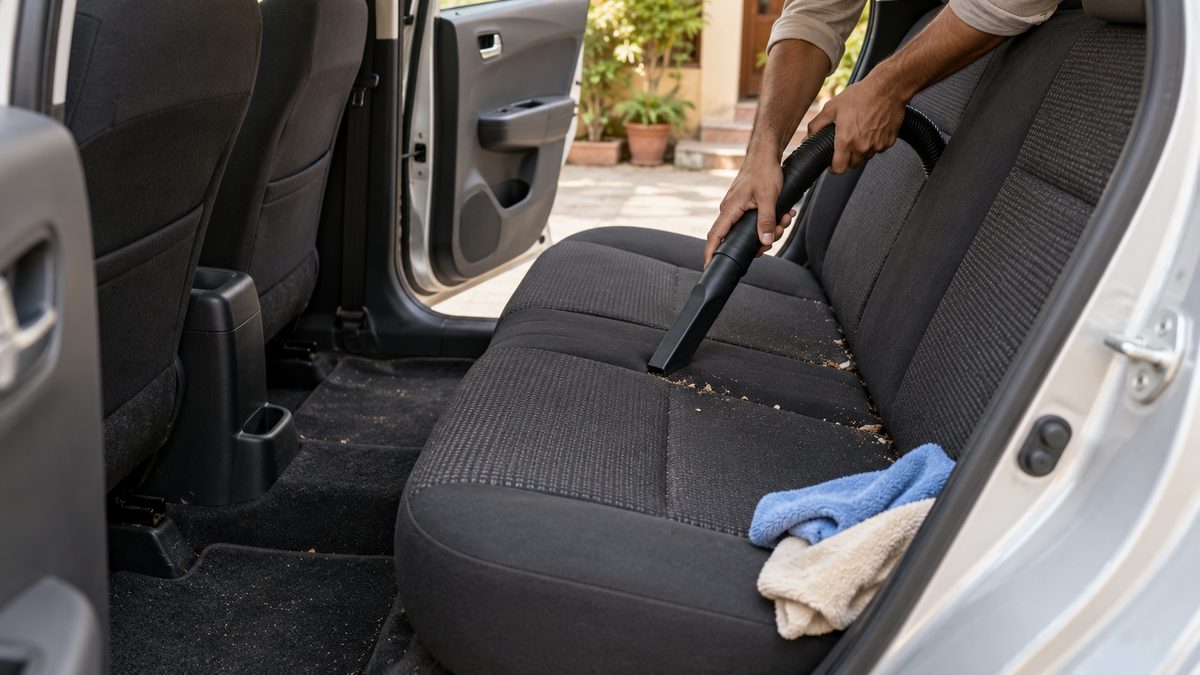
Clean the Car Interior Before Festive Travel, Zone by Zone
A practical order for cleaning the boot, seats, floor, dashboard, vents and glass, with drying and child-seat checks before travel.