Car care gear
Tyre Pressure on Cold Mornings: Check Before You Drive
By Samveg Jain · Updated 23 October 2026 · 6 min read
Some links on this site may be affiliate links. If you buy through them we may earn a commission, at no extra cost to you. It never changes what we recommend. How this works.
Quick answer
Cooler air lowers tyre pressure. Check before driving, then inflate to the cold pressure specified for your tyre size and load in the vehicle handbook or pressure placard.
Tyre pressure falls as the air inside cools, so a cold morning can reveal a lower reading without a puncture. Check the tyres before driving and use the cold pressure listed in the vehicle handbook or pressure placard for your tyre size and load. Do not add an arbitrary winter allowance.
For an Indian car owner leaving a warm afternoon parking space and checking again at dawn, the change can be noticeable. The useful response is to measure all the tyres under comparable conditions, correct the pressures and look for any tyre that behaves differently from the others.
What the overnight temperature change tells you
Air pressure changes with temperature. A tyre that was warm from driving yesterday can read lower after standing overnight, especially when the weather has cooled. That reading is more useful for setting pressure than a measurement taken just after a motorway run.
A similar fall across all tyres can be consistent with cooling, but it does not prove that nothing else is wrong. Tyres gradually lose air through normal use, and valves, wheel rims or punctures can leak. A single tyre repeatedly dropping below the others needs inspection by a tyre professional.
Do not judge pressure by appearance or by pushing a tyre with your foot. A tyre may look normal while underinflated. A warning light also deserves a measured check rather than a guess based on how the steering feels.
Find the setting for this car and this load
Look in the handbook or at the vehicle pressure placard, often near a door opening or fuel flap. Match the tyre size and read the front and rear figures separately. Some cars specify different settings for ordinary use and a full passenger and luggage load.
Use the vehicle recommendation, not the maximum pressure moulded into the tyre sidewall. That sidewall information describes the tyre rather than the correct everyday setting for your car. If the wheels or tyre sizes have been changed, ask a qualified tyre specialist to confirm an appropriate vehicle-approved specification.
Before festive travel, decide what the car will carry before choosing the load setting. Our pre-trip inspection checklist helps put this alongside the other checks. Extra pressure does not make an overloaded car acceptable.
A cold check from the first valve to the spare
- Park safely on level ground and let the tyres cool fully. An overnight check before the first journey is convenient; follow any cold-check conditions in the handbook.
- Read the placard and confirm the gauge units before removing a valve cap. Keep the caps somewhere clean.
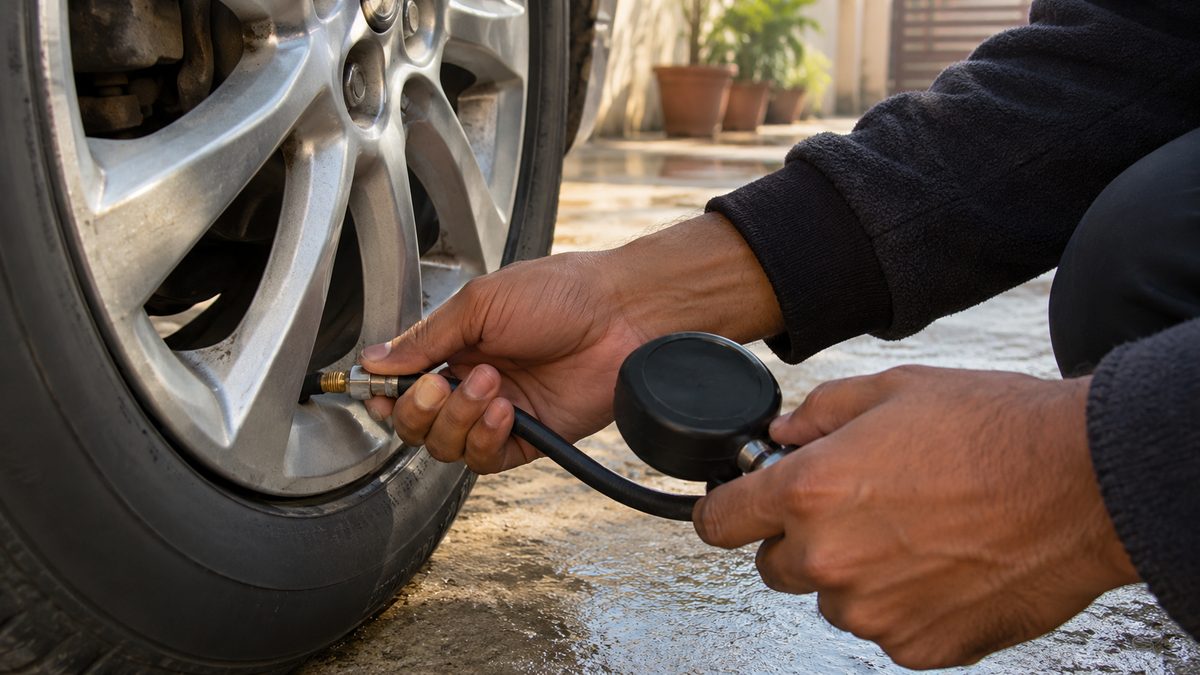
- Press the gauge squarely onto the valve. If air keeps hissing, reseat it and take another reading.
- Record each tyre position and pressure. Add air as needed, checking again after disconnecting the inflator.
- Check the spare if fitted. A space-saver may have its own pressure, separate from the road tyres.
- Refit the caps and complete any tyre pressure monitoring reset required by the handbook.
Use the same gauge for follow-up checks so that small differences between instruments do not confuse the picture. Keep it dry and avoid dropping it. The tyre pressure gauge guide covers readable displays and valve access.
If a fuel station is your only air source, measure at home while cold and note what needs correcting. Driving to the station warms the tyres, so avoid treating the arrival reading as a fresh cold measurement. A suitable home inflator makes this easier; see the inflator buying guide for power supply and hose considerations.
Why a warm tyre should not be bled down
Driving warms a tyre and raises its pressure. Letting air out simply because a warm reading exceeds the cold placard figure can leave the tyre underinflated when it cools. Wait for a proper cold check before making routine corrections.
If a tyre looks low during a journey, stop somewhere safe and inspect it. Do not keep driving on a visibly deflated or damaged tyre merely to obtain a cold reading later. Follow the handbook for roadside action and seek assistance if you cannot establish that the tyre is safe.
Pressure monitoring is a warning system, not a replacement for checking. After correcting a warning, watch for recurrence. Repeatedly dismissing the light or resetting it without measuring all tyres removes the chance to catch a slow leak.
Separate seasonal adjustment from a developing fault
| What you find | Useful next action |
|---|---|
| All tyres lower after cooler weather | Set cold pressures to the applicable placard figures and recheck under similar conditions. |
| One tyre loses pressure again | Arrange a valve, rim and puncture inspection rather than repeated top-ups alone. |
| A cut, bulge or exposed reinforcement | Stop using the damaged tyre and obtain professional help. |
| Gauge readings vary on repeated attempts | Check the seal and units, then compare with a reliable instrument. |
While kneeling by the wheel, look for embedded objects and uneven wear without pulling anything out. Pressure correction cannot repair tread damage or wheel alignment problems. The tread checking guide covers the visual inspection that belongs alongside the gauge.
Keep a simple note of readings when you suspect a leak, including whether the tyres were cold. That gives a workshop something more useful than a remembered warning light. Recheck after a substantial weather change and before a loaded trip, alongside the regular interval stated by the vehicle maker.
What to look for when you buy
Tyre pressure gauge
A clear display, a valve head that seals easily and units matching the vehicle pressure placard.
Portable inflator
Compatibility with your car power supply, a secure hose connector and a readable gauge.
Valve caps
Correctly fitting caps that keep grit and moisture away from the valves.
Frequently asked questions
Should I put a higher pressure in the front tyres?
Only if the pressure placard specifies it. Front and rear settings can differ, and the difference depends on the vehicle and load.
Can I trust the inflator at a fuel station?
Use it as a tool, then check with a reliable gauge if readings seem inconsistent. A damaged connector or poorly maintained gauge can give misleading results.
Does filling with nitrogen prevent cold weather pressure loss?
No. Nitrogen pressure also changes with temperature, and tyres still need regular checks. Do not delay correcting low pressure while seeking a particular gas.
Do new tyres need pressure checks?
Yes. Check their size against the vehicle specification and verify the cold pressure after fitting. A recent fitting does not guarantee the correct setting for your load.
Should I reset the warning system after every top-up?
Follow the handbook. Some systems relearn automatically and others require a reset after pressures are corrected. Resetting before correcting pressure can conceal a problem.
More guides
Car care gear
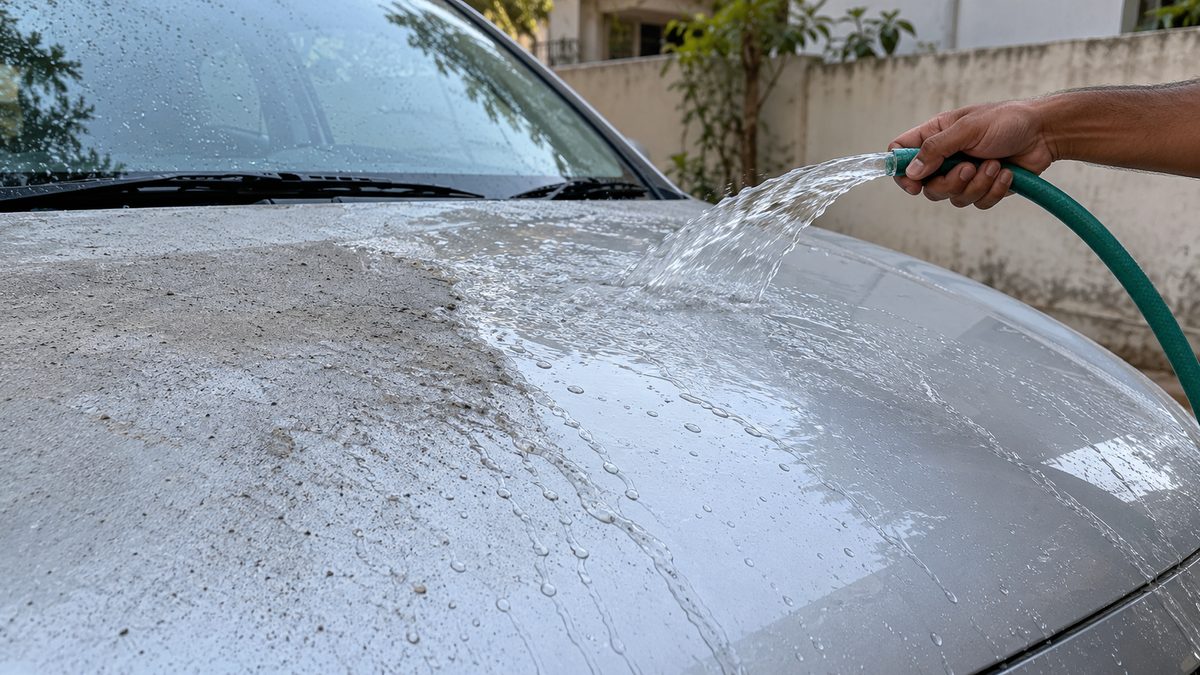
Car Cleaning After Diwali: Remove Ash Without Scratching
A rinse-first cleaning routine for the morning after Diwali, with separate steps for paint, glass and the cabin.
Car care gear
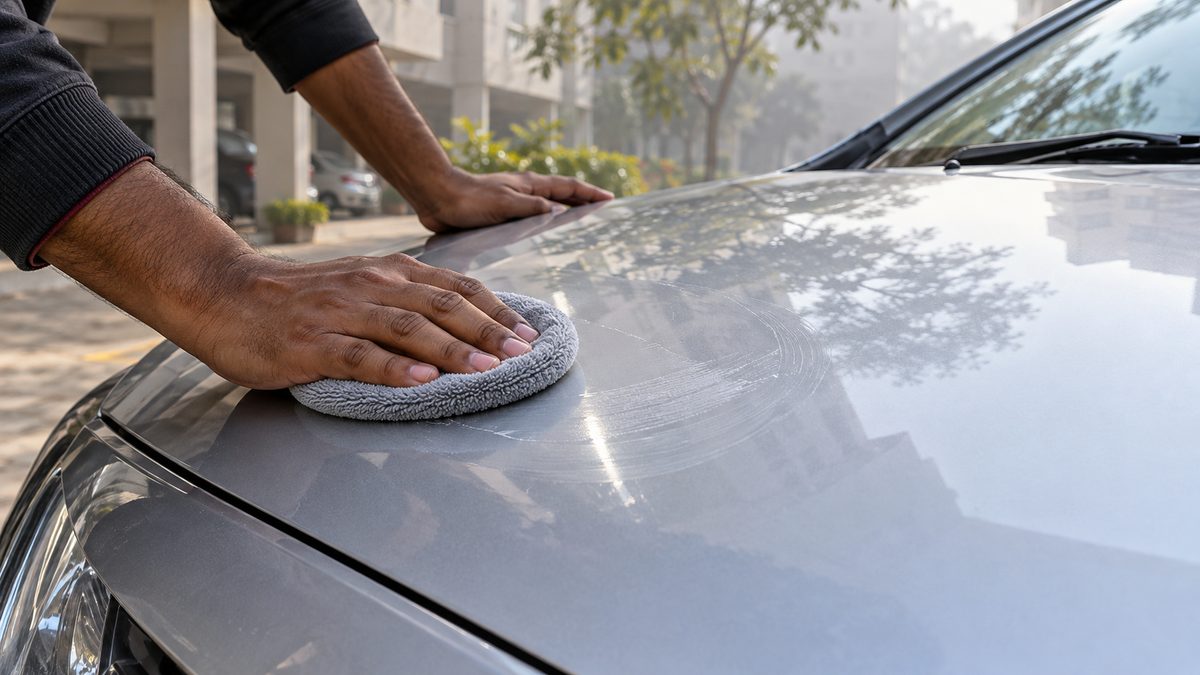
Car Wax for Winter: Dust, Fog and Paint Care
Choose wax or sealant for clean paint, then manage winter dust and damp with gentle washing, careful drying and sensible parking.
Car care gear
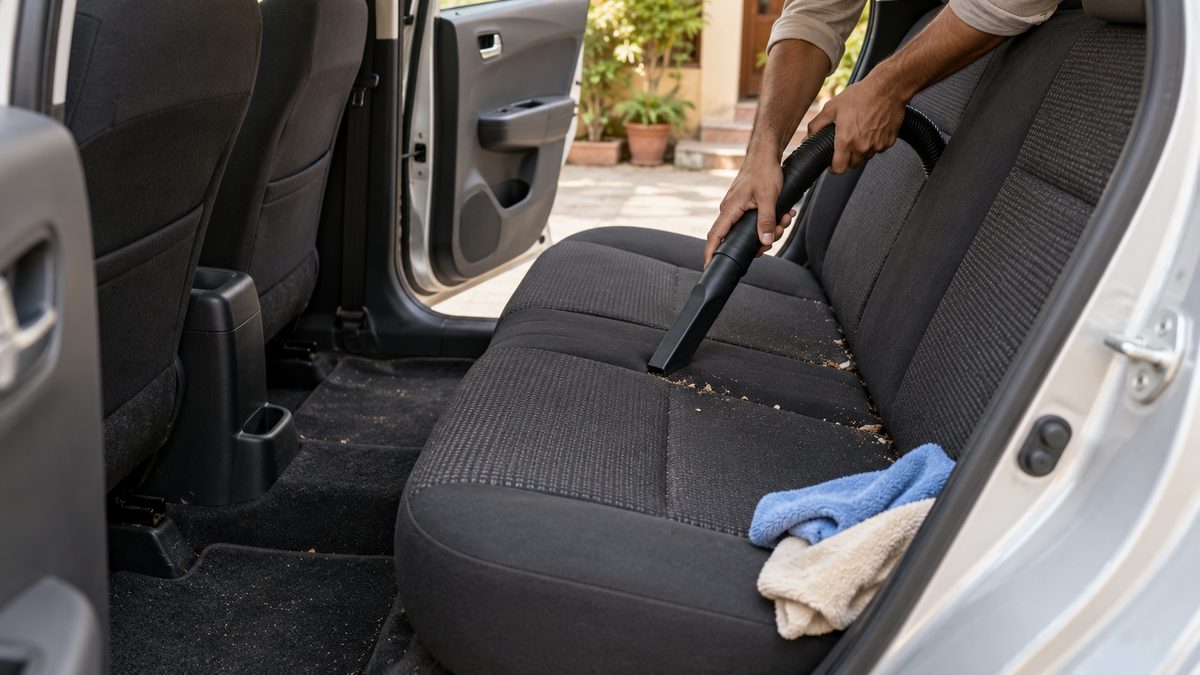
Clean the Car Interior Before Festive Travel, Zone by Zone
A practical order for cleaning the boot, seats, floor, dashboard, vents and glass, with drying and child-seat checks before travel.