Buying guides
Car Seat Covers: Materials, Heat and Airbag Fit
By Samveg Jain · Updated 21 October 2026 · 6 min read
Some links on this site may be affiliate links. If you buy through them we may earn a commission, at no extra cost to you. It never changes what we recommend. How this works.
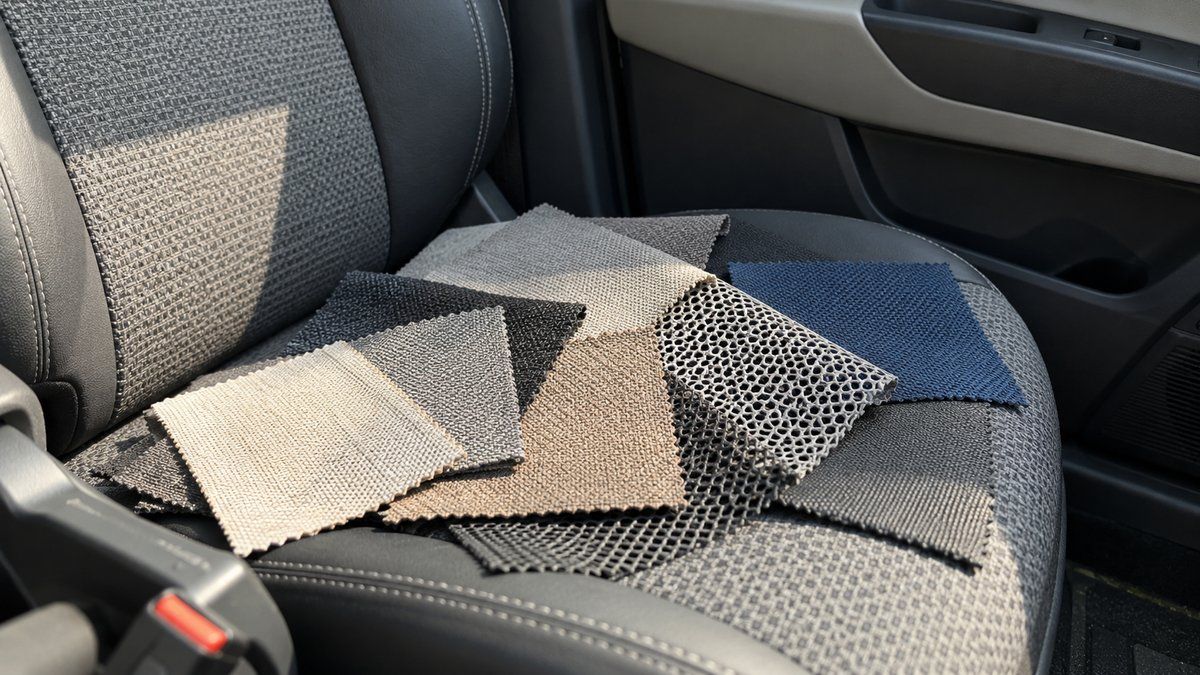
Choose seat covers by compatibility before material. Confirm what the vehicle maker allows around seat-mounted airbags, sensors, belts and adjustment mechanisms. Then compare fabric, mesh and synthetic surfaces for cleaning, heat and feel. A cover that looks tidy but shifts underneath you or obstructs safety equipment is a poor purchase regardless of finish.
Check the seat before the sample book
Read the handbook and identify airbag labels, buckle positions, head-restraint fittings and seat controls. Ask the vehicle maker or authorised workshop about approved accessories for that seat. Seats can differ within the same model range, especially when heating, ventilation or other features are fitted. Do not rely solely on a marketplace compatibility list naming the car.
Some airbags deploy through the seat side. The vehicle-manual guidance on side airbags hosted by NHTSA illustrates why covering the seat back can require manufacturer consultation. It is an example, not approval for your vehicle. Obtain guidance for your own seat rather than assuming all side seams work the same way.
Ask what compatibility means
A phrase such as airbag compatible needs supporting documentation for the cover design and intended application. Ask which seats it covers and what installation conditions apply. An opening cut into a universal cover does not by itself establish that deployment, sensors or restraint systems remain unaffected. If the evidence is unclear, retain the original upholstery while you seek an approved option.
The fit should preserve head-restraint adjustment and access to every belt buckle. Straps must not wrap around seat wiring or moving mechanisms. Test seat movement after professional fitting where appropriate. Check the manufacturer's instructions for both vehicle and accessory, including any restrictions on covers over heated or ventilated seats. Do not add layers just because the outer surface feels thin.
Compare material trade-offs
- Fabric can provide a familiar textured seating surface and may suit washable designs. Check stain treatment, drying time and whether the cover is removable without disturbing important seat fittings.
- Mesh panels can change surface feel, but holes alone do not prove effective ventilation. Look at backing, padding and the complete construction rather than the visible top layer.
- Synthetic leather-style surfaces can be convenient to wipe, but seams and perforations still collect dirt. Ask for compatible cleaners and inspect how the material feels after sun exposure.
- Genuine leather requires clear care guidance and a compatible fitted design. A material label does not eliminate the need to verify airbags, controls and the complete installation.
Assess comfort as a fitted system
A loose cover can wrinkle under thighs, while excessive padding changes how you sit. Try the seat after fitting, adjust it normally and check that you remain stable when reaching controls while parked. Check the driving position again if the cover changes seat height or reach. Comfort should not depend on repeatedly pulling the material back into place.
Indian heat and humidity make surface feel and cleaning practical concerns. Ask to handle a sample, including its reverse face and padding. A material that feels pleasant in an air-conditioned shop may differ after parking in sun. The sunshade guide can help manage parked sunlight, but cannot guarantee comfortable contact temperature on any upholstery.
Plan for spills and drying
Read the exact cleaning procedure before buying. Removable machine-washable fabric can be practical if you have somewhere to dry it completely. Wipeable synthetic material may still have stitching and seams that retain contamination. Do not describe a cover as waterproof unless its manufacturer documents that property for the finished product, including openings and seams.
Keep cleaning liquids suitable for the actual material. Strong products can affect coatings, colour and surface texture. Our cloth and care-kit guide helps separate interior towels from gritty exterior jobs. If liquid reaches the original seat, investigate and dry it appropriately rather than hiding it beneath a fresh cover. Persistent odour needs attention to the affected layer.
Pay special attention to the rear bench
Rear-seat designs vary in split folding, central armrests and buckle locations. A one-piece protector can interfere with those features even when it covers the cushion neatly. Confirm access to child-restraint anchor points and check both vehicle and restraint instructions. Do not add a protector or padding under a child restraint unless both manufacturers permit that arrangement.
For family travel, use the kids' road-trip checklist to plan soft storage and cleanup supplies separately. Seat covers should not become a reason to accept poor child-restraint fit or hidden buckles. After removing and refitting a cover, inspect the complete seating area again instead of assuming previous compatibility still guarantees correct installation.
Use a fitter's inspection checklist
- Identify the exact vehicle, seat features and airbag locations. Obtain compatibility documentation for the selected cover and consult the vehicle maker when anything remains uncertain.
- Check head restraints, belt buckles and all adjustment controls. Confirm the cover does not obscure instructions, trap a buckle or put pressure on a switch.
- Inspect straps underneath only with the vehicle safely stationary. Keep them clear of wiring and moving hardware, and use an approved installation method.
- Sit in each covered position and examine wrinkles, sliding and changed reach. Reject a fit that requires loose extra cushions to hold the occupant in place.
- Confirm care instructions and replacement availability. Keep fitting documents so a future owner or workshop can identify what has been added to the seats.
Choose the smallest justified change
If original upholstery is sound and easy to clean, retaining it may be the best option. A compatible rear-seat protector can solve a specific household problem without covering every seat. If you need full covers, pay for documented suitability and careful fit before decorative stitching. Avoid making a safety-critical compatibility choice from a photograph alone.
Read the accessory safety guide for other additions around seats. Recheck the installation after the first week and after cleaning, since fasteners can loosen or be refitted incorrectly. A useful cover remains stable, cleanable and compatible with the seat throughout normal driving, rather than looking good only on installation day.
What to look for when you buy
Vehicle-approved fabric cover
Documented airbag compatibility, secure fit and washable care.
Vehicle-approved synthetic cover
Surface care instructions, heat considerations and correct openings.
Compatible removable rear-seat protector
Preserved belts, child-restraint access and non-slip fit.
Frequently asked questions
Does airbag-compatible on a listing prove fit?
No. Seek documented compatibility for your vehicle and consult its handbook or maker.
Are universal covers a safe default?
No. Seat shape, airbags, sensors, belts and adjustment mechanisms vary.
Which material is coolest?
Compare the actual construction and surface in use; a material name alone does not establish comfort.
Can I add padding beneath a child seat?
Only when the child-restraint and vehicle manufacturers permit that exact arrangement.
More guides
Buying guides
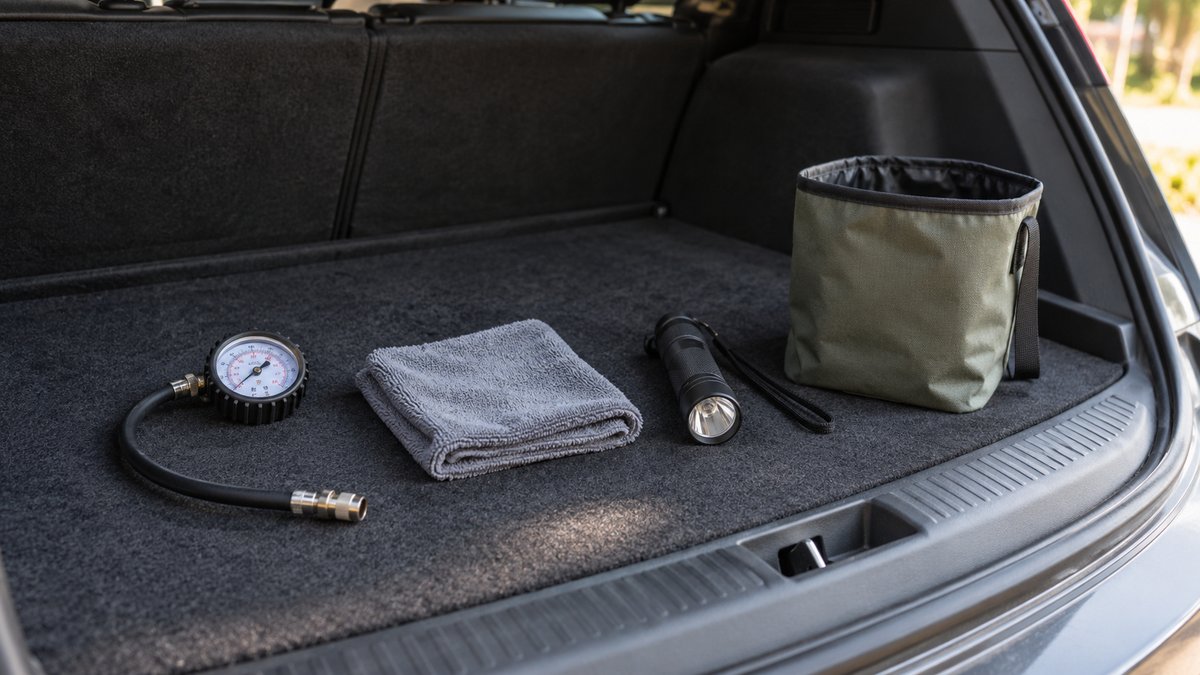
Budget Car Accessories Worth Buying for Daily Use
Prioritise a tyre gauge, useful cloths, a torch and tidy storage before decorative gadgets. Buy for a recurring task and check fit before keeping it.
Buying guides
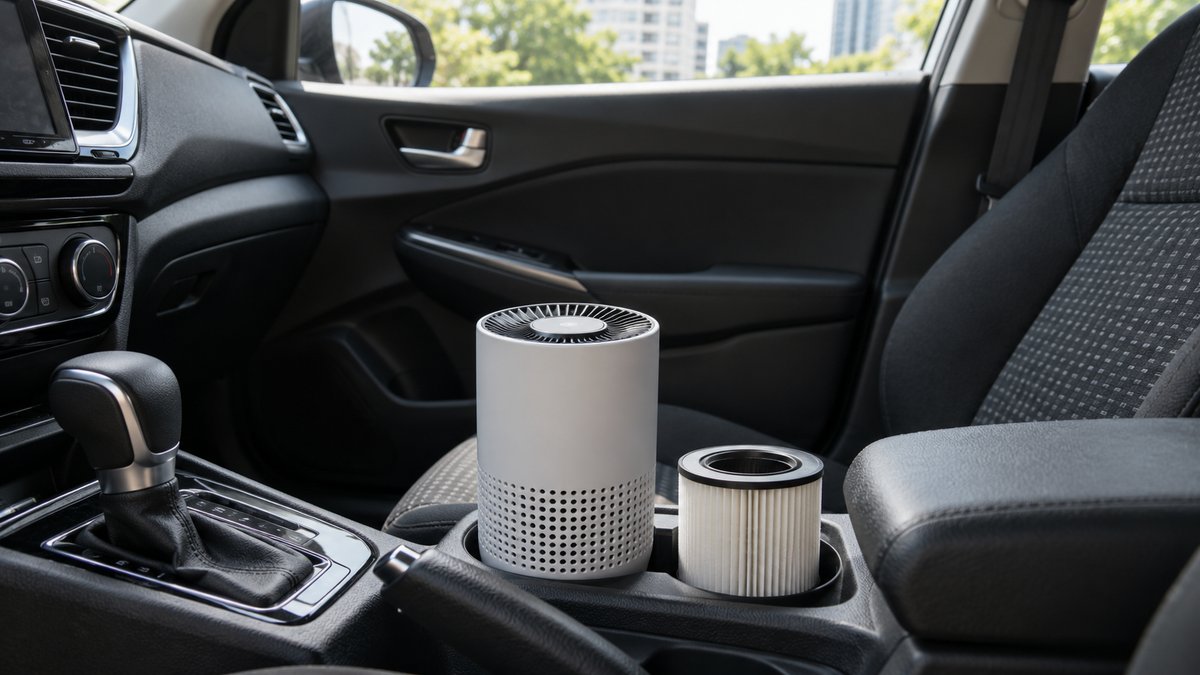
Car Air Purifier: Filter, Airflow and Running Costs
Choose a filter purifier with clear airflow evidence and available replacements. Remove odour sources and check safe mounting before buying.
Buying guides
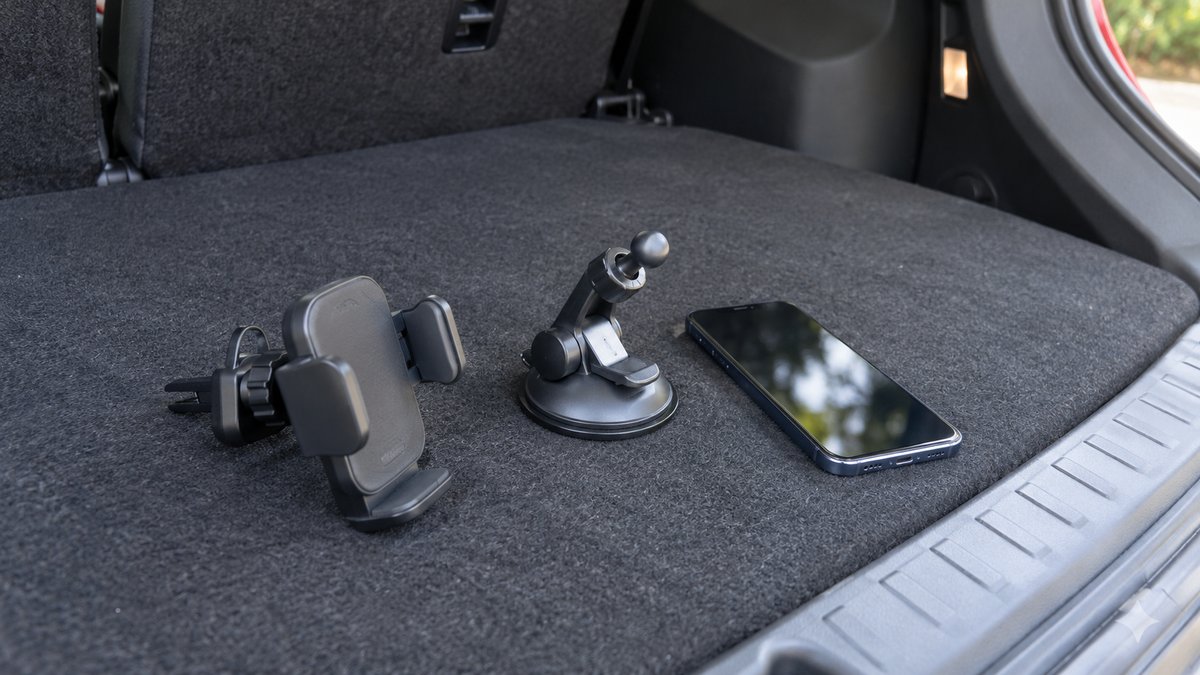
Car Phone Holder Types Compared: Mount and Fit
Choose the attachment and phone grip separately, then test the complete setup from the driving position while parked.