Buying guides
Car Sunshade Guide for Indian Summers
By Samveg Jain · Updated 21 October 2026 · 5 min read
Some links on this site may be affiliate links. If you buy through them we may earn a commission, at no extra cost to you. It never changes what we recommend. How this works.
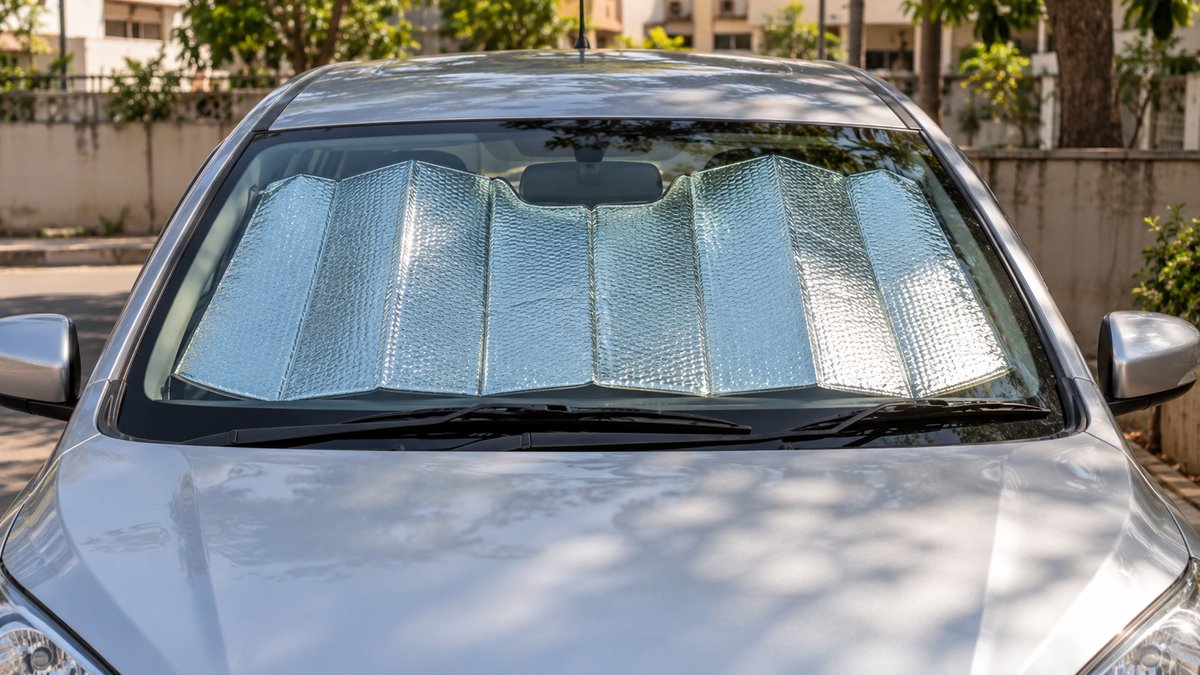
For Indian summers, choose a windscreen sunshade that closely covers the glass while parked, then folds into a secure storage place. Reflective coverage and convenient daily use matter more than dramatic insulation claims. A shade limits direct sunlight on cabin surfaces. It does not make a parked car safe for people or animals.
Measure the shape of the glass
Measure the windscreen from inside while stationary. Note its widest section, height and the space occupied by the mirror, rain sensor or camera housing. A shade that reaches the corners but presses against a camera is the wrong fit. Read the vehicle handbook before placing material near fitted sensors, displays or cameras.
Check dimensions rather than relying only on a list of vehicle names. Different generations can have different glass shapes. A flexible border may cover an awkward corner better than a thick rigid panel. If possible, try the shade in position and confirm you can fit and remove it without forcing the sun visors or stressing their hinges.
Decide how much folding you tolerate
Accordion shades fold into a long rectangle. They are easy to understand but need a storage space with enough length. Pop-up shades twist into a smaller disc, which may suit an approved pocket. The folding motion should feel controlled. A spring frame that snaps open near the dashboard becomes inconvenient when you use it twice every working day.
Umbrella-style products need particular scrutiny around spokes, sharp ends and the handle. No part should bear against the screen, trim or steering wheel centre. A product that has to be wedged into position may cause more trouble than it solves. Smooth edges and stable coverage are more useful than extra moving parts or complicated locking mechanisms.
Compare shade formats
- A fitted folding windscreen panel gives predictable coverage and orientation, but takes up more room when stored. Check the folded length before choosing rigid panels.
- A two-panel pop-up shade can suit wide glass and packs small. Look for protected frame edges and useful overlap across the centre of the windscreen.
- A roll-up shade can be quick to deploy, but fixed mounting requires care. Any installation must preserve trim, required visibility and airbag deployment areas.
- A side-window shade may help passengers with direct sun. It must comply with local rules and preserve the driver's view at junctions and during manoeuvres.
Understand what heat claims measure
Ask what a stated temperature reduction describes: dashboard surface, cabin air or a material test. Those are different measurements. Without the test method and conditions, the claim gives little help in comparing two shades. Look for close coverage and a reflective outer face instead of assuming the thickest panel always provides the best result.
Even a shaded cabin can become dangerous. NHTSA's heatstroke guidance warns against leaving children in parked vehicles. Never use a shade to justify leaving a child or pet unattended. Parking shade changes as the sun moves, so plan the stop around people leaving the vehicle, rather than accessories keeping it habitable.
Separate parked use from driving
Remove the windscreen shade completely before driving. Fold it into a secure location instead of balancing it on the dashboard or dropping it into the driver's footwell. Check mirrors and the view through all glass after removal. Do not leave a reflective panel across an airbag area, even if it appears light and soft.
Side-window products require their own decision. A shade suitable for a stationary vehicle may be unsuitable while moving. Check local rules and the manufacturer's instructions, including window operation and emergency exit access. Read car accessories to avoid before fitting suction cups or clips near important sight lines. Do not treat a seller's installation photograph as permission.
Test the storage routine
Open and close the shade several times in the parked car. Decide where the pouch will live while driving and where it goes while the shade is fitted. An awkward shade left at home provides no help. If two people share the car, both should be able to use it without bending the frame or needing a folding tutorial.
A small organiser can hold the folded shade when its size and attachment suit the vehicle. Avoid jamming it beneath a front seat, where it might affect adjustment or wiring. Keep the pouch clean and dry so grit does not travel from the floor onto the inner windscreen each time you park.
Inspect the details before buying
- Run your fingers along the border for exposed wire, rough plastic or metal ends. The edges that touch trim should be smooth along their entire length.
- Inspect the reflective face for peeling. Ask how to clean both sides and whether the backing can transfer residue to glass or upholstery during storage.
- Check the closed size and weight. The pouch should close without forcing the shade into a distorted shape that damages its frame over repeated use.
- Verify clearance around dash cameras and sensors. Do not use their housings as supports or press the shade against exposed cables or connectors.
- Make sure removal is comfortable from the driver's seat while stationary. A daily accessory should not require leaning across delicate screens or controls.
Buy for your usual parking pattern
An outdoor office space favours reliable daily coverage. Occasional highway stops may favour a compact shade that stores among luggage. Rear passengers may benefit from permitted side shading, but accessories do not replace water, ventilation or sensible stops. Focus on repeated exposure rather than automatically ordering a full set for every window in the car.
For summer journeys, combine parked-car shading with the road-trip packing plan. Carry drinking water separately and stop where everyone can leave the vehicle. After hot parking, ventilate the cabin and check contact surfaces before passengers settle in. Review the shade's condition when summer ends so a damaged frame is not left to surprise you next season.
What to look for when you buy
Fitted folding shade
Coverage around the mirror and compatible sensor clearance.
Pop-up reflective shade
Correct dimensions, covered edges and manageable folding.
Rear-window shade
Vehicle-compatible fit that preserves required visibility.
Frequently asked questions
Can I drive with the windscreen shade fitted?
No. Remove and secure it before moving the car.
Can a child or pet stay inside with a shade?
No. Never leave a child or pet unattended in a parked car.
Will a universal shade fit?
Compare actual dimensions, mirror position and glass shape.
Is thickness the main buying factor?
Coverage, surface, edge protection and storage also matter.
More guides
Buying guides
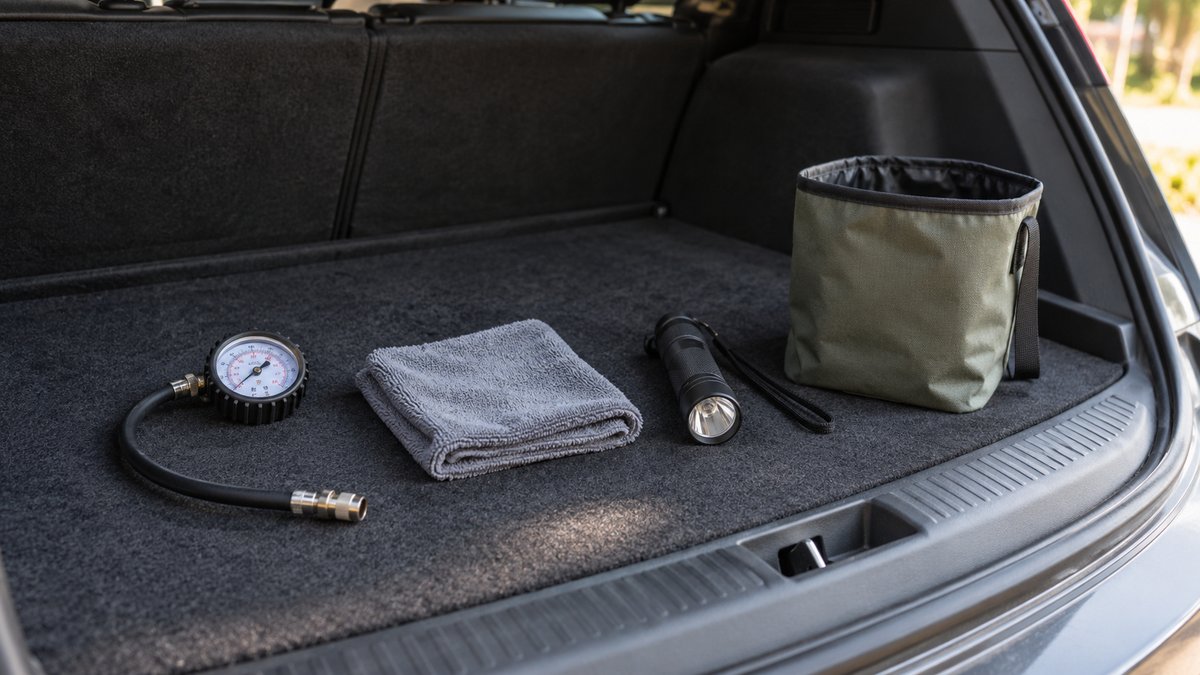
Budget Car Accessories Worth Buying for Daily Use
Prioritise a tyre gauge, useful cloths, a torch and tidy storage before decorative gadgets. Buy for a recurring task and check fit before keeping it.
Buying guides
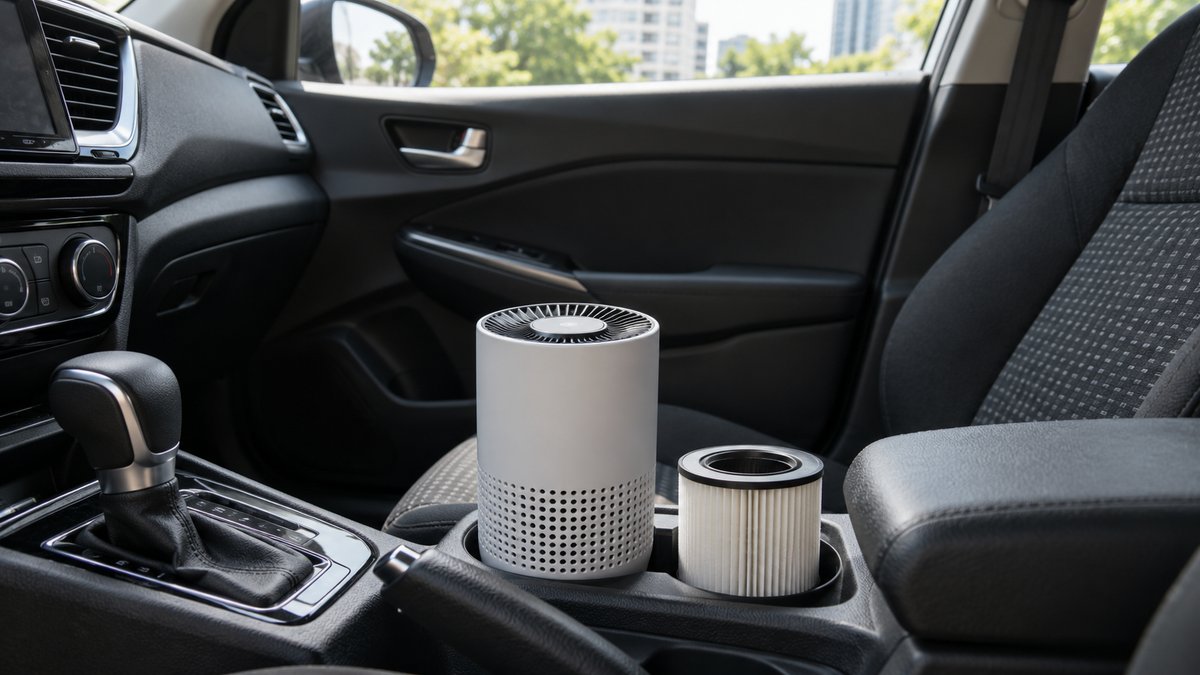
Car Air Purifier: Filter, Airflow and Running Costs
Choose a filter purifier with clear airflow evidence and available replacements. Remove odour sources and check safe mounting before buying.
Buying guides
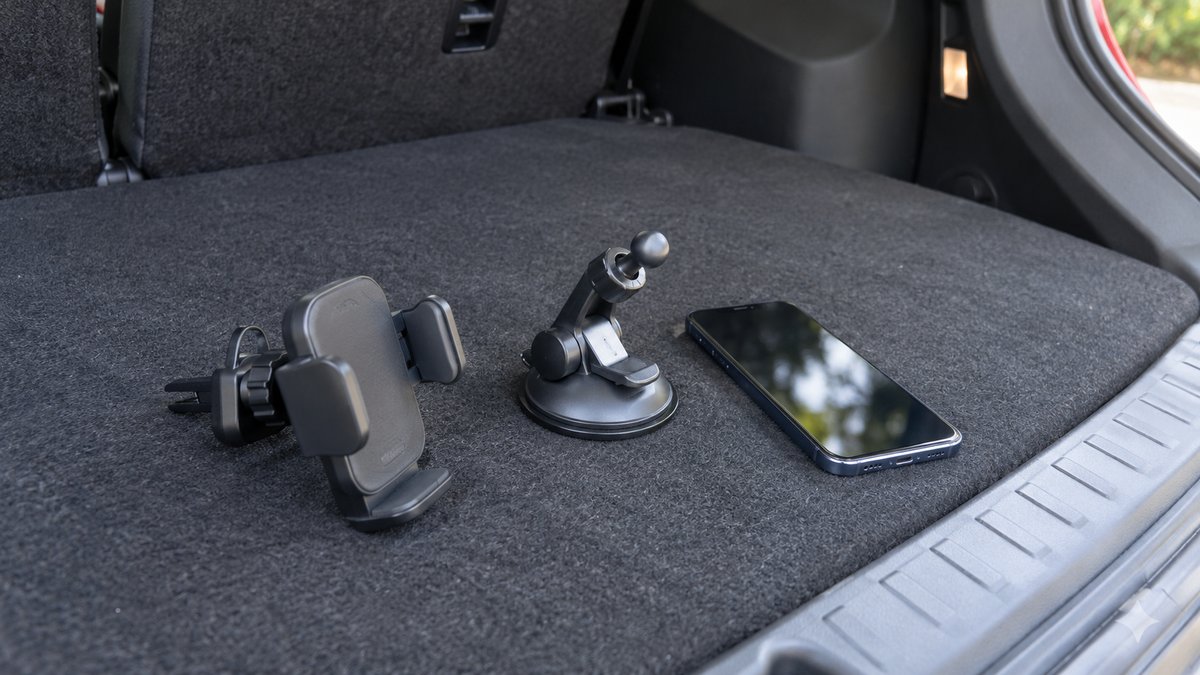
Car Phone Holder Types Compared: Mount and Fit
Choose the attachment and phone grip separately, then test the complete setup from the driving position while parked.