Buying guides
Car Seat and Boot Organisers: What Fits Where
By Samveg Jain · Updated 21 October 2026 · 5 min read
Some links on this site may be affiliate links. If you buy through them we may earn a commission, at no extra cost to you. It never changes what we recommend. How this works.
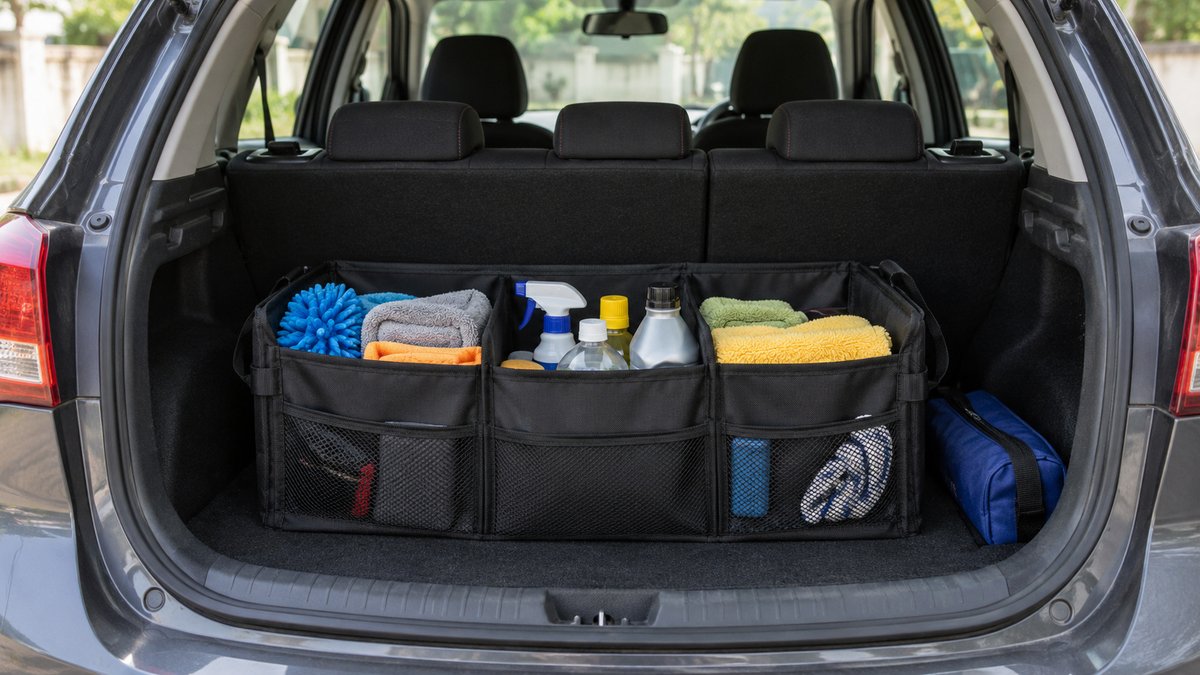
A car organiser earns its space when it keeps everyday items contained without hiding emergency equipment or crowding passengers. For many hatchbacks, a low boot organiser with a firm base is a useful starting point. Measure the occupied car, choose compartments for things you already carry and secure the load before driving.
Start with what keeps moving
Empty the boot and group what you find by use: shopping, cleaning, roadside equipment and things that belong indoors. An organiser should solve a repeated storage problem. It should not persuade you to carry more loose equipment. A folding bag may be enough for groceries, while bottles need upright compartments and a removable liner.
Consider who uses the car during the week. A shared family hatchback may need a removable school-run pouch rather than permanent storage across the rear footwell. A commuting saloon can use a narrow side organiser that leaves room for a suitcase. Write down the items and their approximate dimensions before comparing pocket counts.
Measure beyond boot capacity
Measure the narrowest width between wheel arches, usable depth and height below the parcel shelf. Check the loading lip and any slope in the boot floor. The organiser must sit flat rather than bridge a raised panel. Open the spare-wheel compartment and locate the jack before deciding where the new container will live.
Try the space with your usual bags in place. A rectangular box can waste corners in a tapered boot. Two smaller pouches may fit better and let you remove cleaning gear for a weekend trip. A lid keeps contents covered, but it also needs room to open without unloading everything above it.
Compare layouts by their limitations
- A collapsible box suits changing loads, but thin walls can fold when partly empty. Look for a supported base and dividers that remain attached.
- A side-pocket organiser preserves the central floor, but straps must match suitable attachment points. Avoid stretching it across access panels or emergency equipment.
- A seat-back panel puts small soft items near passengers, but deep pockets can reduce knee room. Keep hard bottles and heavy electronics elsewhere.
- A small litter pouch contains wrappers and receipts. A removable liner matters more than decorative stitching, especially after a wet monsoon journey.
Secure contents and container
An organiser with a non-slip underside can resist gentle movement, but it is not automatically a crash restraint. Use the car's designated cargo anchors and restraints suitable for the load. Keep heavy objects low and avoid stacking above the seat backs. A closed pocket is useful for pens and cables; it cannot make an unsecured tool safe.
Check the manufacturer's instructions before using hooks or straps. Do not fasten anything to airbag trim, seat wiring or moving seat rails. Test the full adjustment of occupied seats. Nothing should reach the pedals or interfere with belts, child restraints or door closure. Our accessories-to-avoid guide explains why placement matters as much as material.
Choose materials for daily use
Boot carpets collect dust, umbrella drips and spilled shopping. A wipeable liner is useful for bottles, while removable fabric panels are easier to dry separately. Ask how the base is cleaned. A permanently enclosed cardboard insert may become difficult to rescue after a leak. Strong handles help only if their stitching connects to a supported section.
Inspect closures with one hand while parked. A zip that catches the lining becomes irritating when the boot is full. Exposed metal hooks can scratch trim, and rough hook-and-loop strips may damage carpet when removed repeatedly. Keep cleaning liquids in original labelled containers and follow their temperature limits; an organiser does not improve chemical storage conditions.
Pack for access before tidiness
Put roadside equipment where it can be reached before holiday luggage comes out. Keep a torch close to the warning triangle and put the first aid pouch in an agreed, accessible location. A divider identified by colour can help family members find things, but everyone still needs to know the layout. Avoid burying the kit beneath shopping bags.
Use the road-trip packing list to separate overnight luggage from items needed at stops. For family travel, a small soft pouch per passenger can work better than filling every seat pocket. Remove sticky snacks and rubbish after the journey, rather than letting the organiser become a permanent collection point.
Check details before ordering
- Confirm external dimensions with the organiser expanded, including handles, lids and projecting pockets. Shipping dimensions rarely describe the space it occupies when loaded.
- Ask whether dividers are removable, whether the bottom is rigid and whether the whole bag can be lifted when partly full without sagging.
- Locate compatible cargo attachment points before choosing straps. Reject a fitting method that relies on seat wiring, trim clips or unidentified hooks.
- Plan a cleaning method for every panel. A washable liner is more practical than a large bag that needs several days to dry indoors.
- Keep the spare wheel, jack and first aid kit reachable. Test that access with normal luggage loaded before relying on the arrangement on holiday.
Review after a normal week
Notice which pockets remain empty and which overflow. Reduce the load before adding a second organiser. If a bottle keeps tipping, change the compartment or remove it instead of wedging it against trim. If rear passengers cannot get in comfortably, move the storage into the boot. Good storage should reduce small annoyances during normal use.
A monthly empty-and-clean routine also exposes leaks and forgotten food. Pair the layout with a vacuum that reaches boot corners, then let damp fabric dry before repacking. Leave enough empty floor for unexpected shopping. A repeatable place for each item is more useful than using every pocket, and makes missing equipment easier to spot before departure.
What to look for when you buy
Collapsible boot organiser
A firm base, removable dividers and compatible attachment points.
Shallow seat-back organiser
Soft pockets, short straps and clearance from seat hardware.
Washable litter pouch
A closing top and removable liner with safe attachment.
Frequently asked questions
Are boot organisers crash restraints?
Not unless explicitly rated for that use. Secure heavy cargo with suitable restraints.
Can I attach an organiser to any seat?
Check the handbook for airbag locations and strap restrictions.
What size should I buy?
Measure with normal luggage and the parcel shelf in place.
Can cleaning bottles stay inside?
Follow their temperature and storage instructions; a bag does not protect them from heat.
More guides
Buying guides
Budget Car Accessories Worth Buying for Daily Use
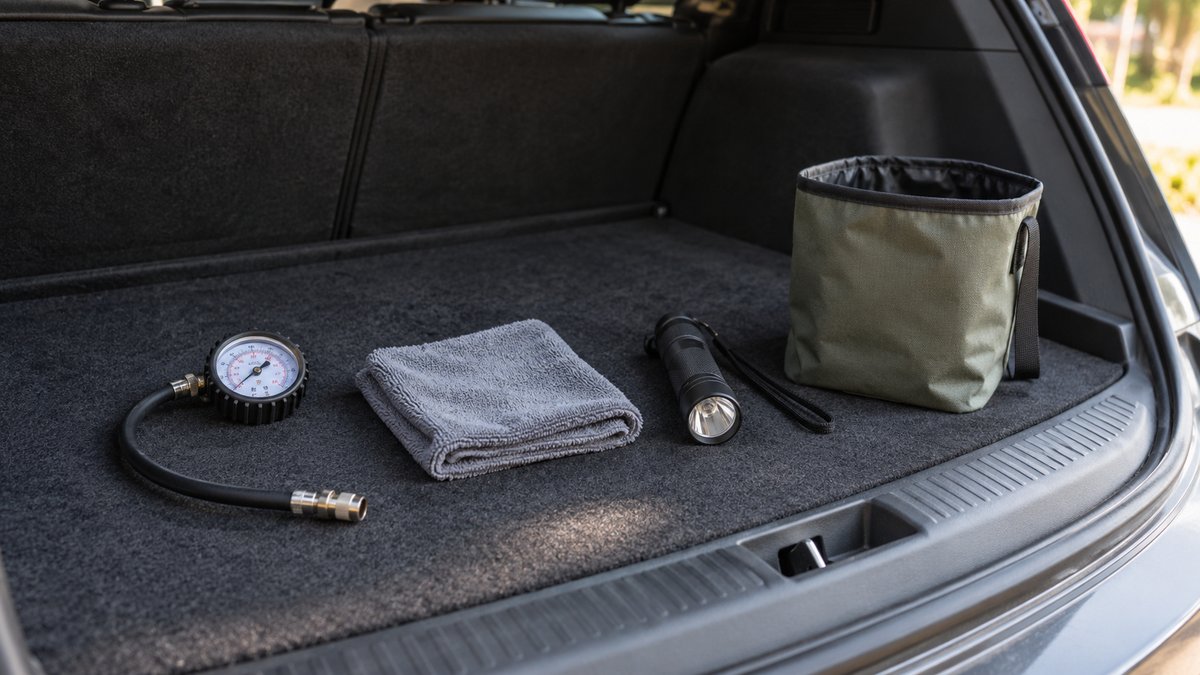
Prioritise a tyre gauge, useful cloths, a torch and tidy storage before decorative gadgets. Buy for a recurring task and check fit before keeping it.
Buying guides
Car Air Purifier: Filter, Airflow and Running Costs
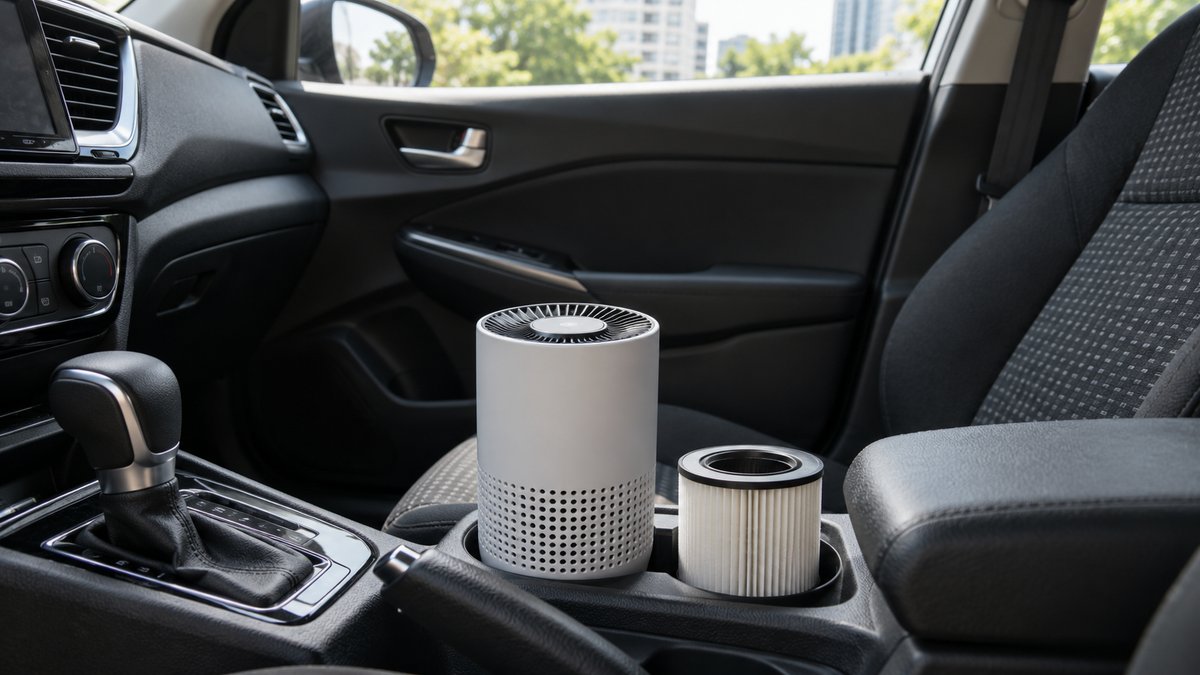
Choose a filter purifier with clear airflow evidence and available replacements. Remove odour sources and check safe mounting before buying.
Buying guides
Car Phone Holder Types Compared: Mount and Fit
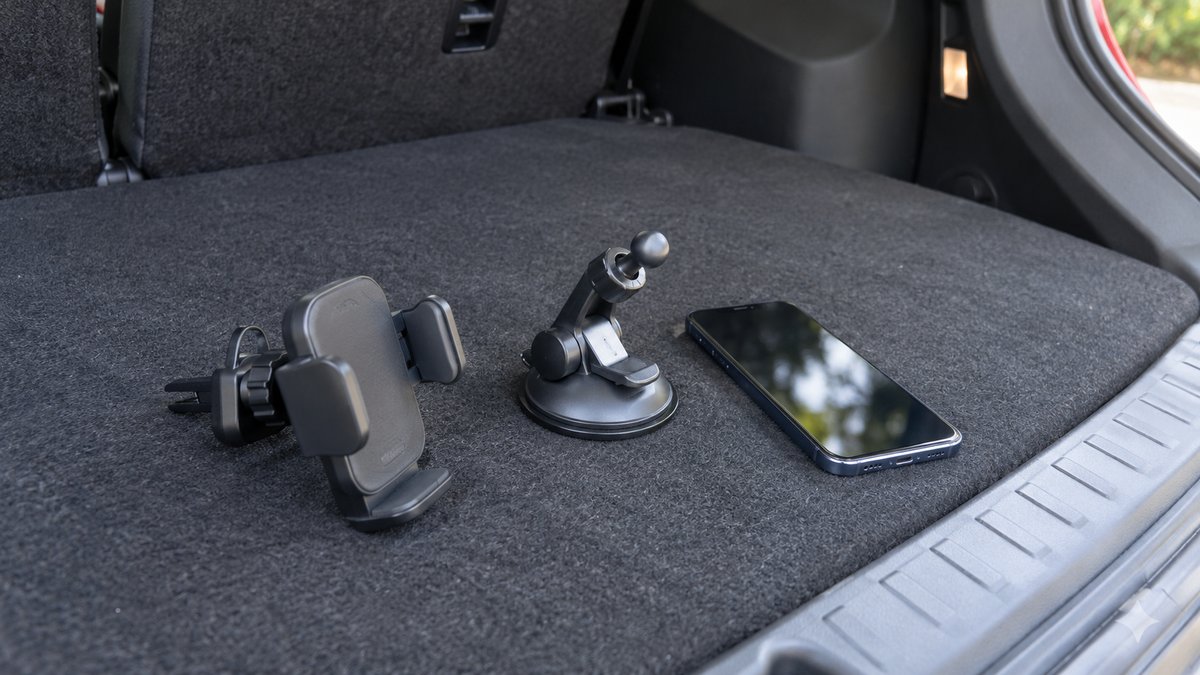
Choose the attachment and phone grip separately, then test the complete setup from the driving position while parked.