Safety gear
Car Headlight Bulbs: Match Type, Output and Aim
By Samveg Jain · Updated 22 October 2026 · 6 min read
Some links on this site may be affiliate links. If you buy through them we may earn a commission, at no extra cost to you. It never changes what we recommend. How this works.
Quick answer
Use the exact headlight bulb type and electrical specification approved for the vehicle. Do not choose brighter-than-specified bulbs or unapproved HID or LED retrofits; investigate lens condition, wiring and aim when visibility is poor.
Buy the headlight bulb type and electrical rating specified for your car, with confirmed approval for that application. Do not fit brighter-than-specified bulbs or unapproved HID or LED conversions. If the road still looks poorly lit with correct bulbs, have the lens condition, electrical supply and beam aim checked rather than chasing greater brightness.
Identify which lamp has failed
Park safely and check the lighting functions one at a time. Low beam, high beam, position lamps and fog lamps can use different light sources, even within the same housing. A lamp that appears dark may not be the bulb you expected. Record the failed function and consult the handbook or an approved application source before ordering.
Do not rely only on the car's model name and year. Lamp assemblies can vary by trim, production version or previous repair. If the installed housing differs from the original specification, ask a qualified workshop to establish a safe approved repair. An old bulb's marking is useful evidence, but does not prove that a previous owner fitted the correct part.
Compare technologies without treating them as interchangeable
A halogen lamp is designed around a particular filament position and electrical specification. An HID system uses a different light source and associated equipment. An LED lamp may use an integrated module rather than a removable bulb. These distinctions affect the beam, heat management, connections and repair method; a matching-looking connector does not establish compatibility.
Do not put an HID or LED retrofit into a housing unless the conversion is approved for that vehicle and lamp application. A source that appears bright against a garage wall may produce glare or leave useful road areas poorly lit. Higher-than-specified wattage can also overload wiring or damage the housing. Use approved specification as the buying filter.
Read packaging for application rather than promises
Check the exact bulb code, voltage, wattage where applicable and intended road application. Ask the seller for verifiable fit information and keep packaging until the installation has been checked. Vague claims about increased brightness or a fashionable colour do not replace compatibility details. Avoid an unlabelled bulb that cannot be traced to clear instructions and specifications.
For use on Indian roads, check the current rules where you drive using official transport or traffic sources. Do not rely on a seller's broad statement that every conversion is permitted. The vehicle handbook, lamp approval and product instructions need to agree. Ask a competent workshop when there is uncertainty rather than experimenting with wiring adaptors or altered bulb holders.
Inspect the whole lamp before blaming output
Clean lenses using a method approved for their material and finish. Dirt, clouding or physical damage can affect the beam even with a sound bulb. Avoid aggressive polishing of a coated lens without a suitable restoration process. Persistent moisture, a damaged rear cap or a cracked housing needs assessment; replacing the bulb alone will not repair the enclosure.
Look for a damaged connector, discolouration or other signs of heat without touching exposed live parts. Repeated bulb failures deserve electrical diagnosis. The battery and charging checks describe related warning signs, but a technician should determine the actual fault. Do not bypass protective components or install a larger fuse to stop a lighting problem recurring.
Decide whether replacement is a home task
Follow the handbook's access procedure, switch the lighting off and allow components to cool as instructed. Some cars need significant disassembly or workshop equipment to reach a lamp. HID systems involve hazardous electrical equipment, and sealed LED assemblies may need a different repair. Stop if the handbook does not provide a safe user replacement method for your lamp.
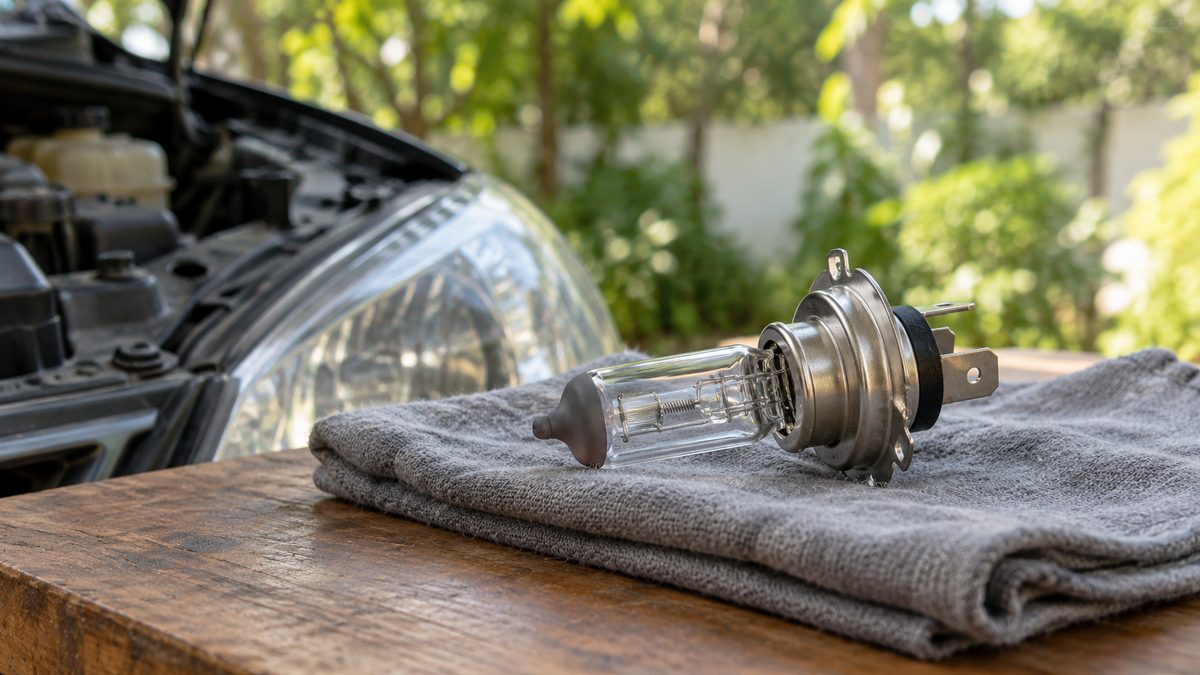
For a permitted halogen replacement, handle the bulb as instructed and avoid touching the glass where the maker warns against it. Seat it squarely and secure the retaining mechanism without force. Refit covers and seals correctly. An incorrectly seated bulb can distort the beam even when it illuminates, and an unsecured cap can allow water or dirt into the housing.
Use this replacement and inspection checklist
- Confirm the function, lamp version and exact approved bulb before opening the packaging. Check both sides for condition so a second fault does not remain unnoticed behind the obvious failed lamp.
- Consider replacing a halogen pair when appropriate under the maker's guidance, using matched approved specifications. This can avoid a noticeable difference between an older and a new bulb, but does not mean discarding sound integrated lamp assemblies.
- Keep the work area clean and account for retaining clips and covers. Do not leave tools inside the engine bay or route a connector against a hot or moving component after refitting.
- Test low beam, high beam and other affected functions while parked, then arrange a proper aim check where required. Compare operation without looking directly into the lamps or asking another person to stand in the beam.
- Dispose of removed lamps through an appropriate route for their type. Keep any emergency spare safely packaged and protected from impact, rather than loose among metal tools in the boot.
Check access before attempting owner replacement
Look at the handbook's access procedure before opening a new bulb. Some cars require parts to be moved or the lamp to be removed, and a cramped opening can make correct seating difficult to confirm. Work only with the vehicle safely parked and the lamp switched off and cooled as directed. If you cannot see the retaining arrangement or restore the housing seal, use a competent workshop. Completing an awkward replacement by feel is not useful if the bulb is tilted or the cover cannot be secured afterwards.
Check aim with the car ready for travel
Load and headlamp levelling settings can affect where the beam points. Use the handbook's levelling instructions and have beam alignment checked with suitable equipment when needed. Guessing against a wall is not a substitute for a competent adjustment after a damaged lamp, incorrect installation or suspension work. Never raise the aim to compensate for a weak-looking bulb.
Before a night journey, include lamps in your mechanical inspection and read the fog equipment guide if visibility may deteriorate. Clear glass also matters, as the interior fogging guide explains. Correctly specified lighting supports visibility, while speed and stopping distance must still suit what you can see.
What to look for when you buy
Specified replacement bulb
Exact bulb code, electrical rating and confirmed approval for the vehicle application.
Matched replacement pair where appropriate
The same approved specification on both sides, following the vehicle maker?s replacement guidance.
Workshop lamp inspection
Checks for damaged connectors, moisture, lens condition and correct beam aim.
Frequently asked questions
Is a whiter bulb automatically better for night driving?
No. Colour appearance does not establish useful road illumination, beam accuracy or vehicle approval.
Can I add tint film to headlamp lenses?
Do not add films or coverings that reduce or alter approved lighting. Seek the vehicle maker?s guidance before changing a lamp surface.
Does a flickering lamp always need a new bulb?
No. A connector, wiring, power supply or control fault may be responsible. Have persistent flickering assessed.
Can an integrated LED lamp take a replacement bulb?
Some integrated units do not have a user-replaceable bulb. Follow the handbook and arrange the specified repair rather than opening a sealed unit.
More guides

Safety gear
Car Safety Around Firecrackers: Parking for Diwali
A practical parking and inspection plan for Indian car owners before and after Diwali celebrations.

Safety gear
Night Driving Checklist: Lights, Glare, Fatigue and Kit
Prepare for an evening drive with checks for lights, glass, mirror glare, fatigue and breakdown equipment, plus clear reasons to delay.
Safety gear
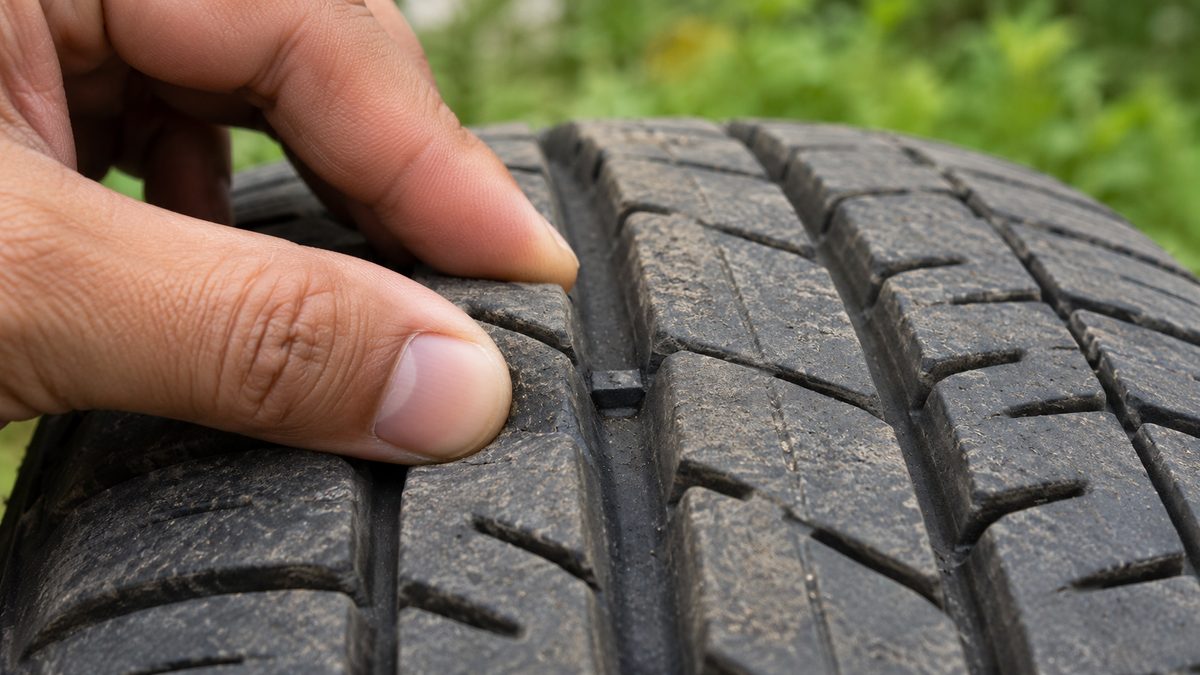
Tyre Tread Depth: Check Wear Before Buying Replacements
Inspect tread grooves, wear indicators and uneven wear before choosing replacement tyres. Know when a professional inspection cannot wait.