Car care gear
Car Floor Mats Compared: Rubber, Moulded and Carpet
By Samveg Jain · Updated 22 October 2026 · 6 min read
Some links on this site may be affiliate links. If you buy through them we may earn a commission, at no extra cost to you. It never changes what we recommend. How this works.
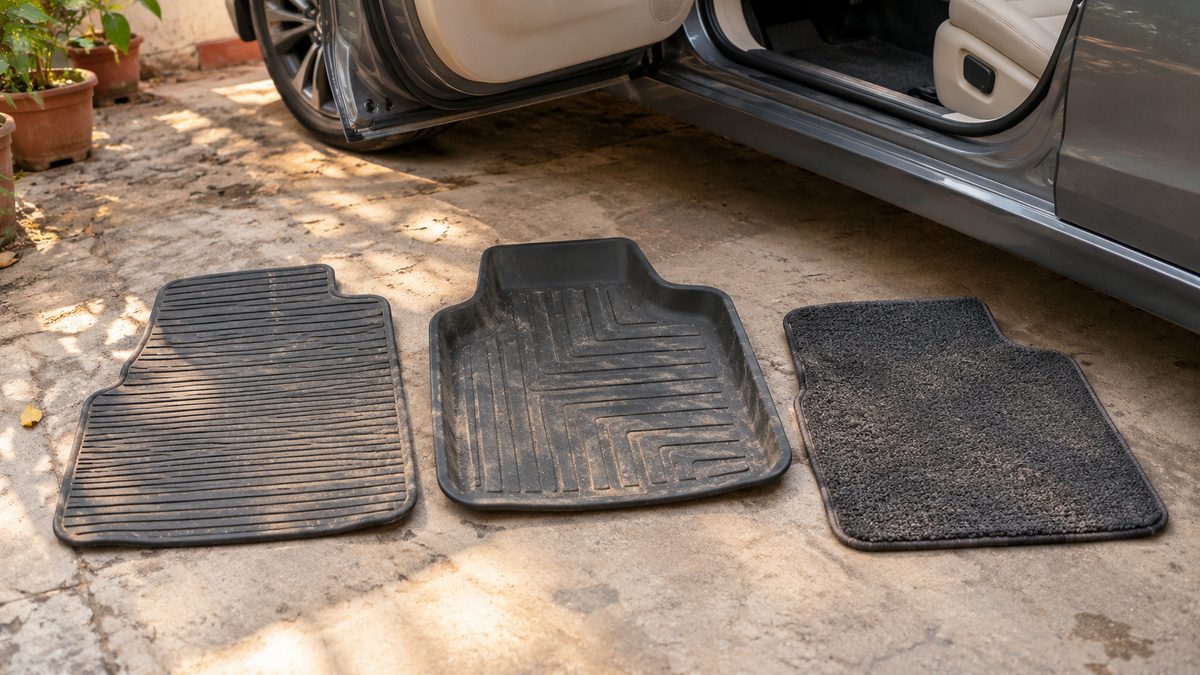
Quick answer
Choose floor mats by exact vehicle fit, secure retention and unrestricted pedal travel before comparing materials. Rubber, moulded and carpet designs can all be unsuitable if they slide, curl or ride up beneath the pedals.
Choose car floor mats by exact fit, secure retention and full pedal clearance before choosing rubber, moulded or carpet. Mats must never ride up under the pedals, slide forward or prevent a pedal returning normally. A material that is easy to clean is still a poor purchase if its shape or fixings do not suit your car.
Fit starts with the vehicle version and footwell
Check the model, production version, seating layout and transmission when ordering. Similar-looking cars can have different floor shapes, pedal layouts or retention points. A seller's photograph of a tidy cabin is not proof of fit. Look for specific application details and a return process that lets you reject a mat whose shape does not match the intended footwell.
Compare the supplied fixing positions with the car before use. The driver's mat should attach using the approved retention system, with no need to stretch it, cut new holes or tuck it beneath a pedal. If the car's original retainers are missing or broken, replace them with suitable parts rather than relying on the mat's weight or a rough backing.
Rubber is practical when dirt needs rinsing away
Rubber-style mats can suit muddy shoes and frequent cleaning, provided their contours and fixings are correct. Look for a surface that holds ordinary dirt without becoming difficult to clean. Grooves should be accessible with the cleaning tools you use, and the mat should be manageable to lift out without spilling everything into the footwell.
Inspect flexibility, edge condition and any heel area that will receive repeated pressure. A very soft edge can curl, while an overly stiff or poorly shaped mat may sit above the floor rather than lying securely. Do not judge safety from material thickness alone. A thick mat that intrudes into pedal travel is unsuitable even if it appears durable.
Moulded trays need close attention to raised edges
A moulded mat has a shaped floor and raised borders intended to contain debris or moisture. Labels such as 3D or moulded do not establish accuracy of fit. Check the actual sides, transmission-tunnel contour and fixing points in the car. A high border must not catch a shoe, foul a pedal or interfere with a moving seat.
Watch for edges that press against trim or rise when the mat is clipped down. Do not force a misfitting tray into place or accept a seller's suggestion that daily use will reshape a dangerous corner. Check the mat with the driver's seat in the normal driving position and confirm that the heel rests naturally without lifting the mat towards the pedals.
Carpet offers a different cleaning commitment
Carpet mats can suit drivers who prefer a softer surface and can vacuum and dry them regularly. Check backing stability, edge stitching and the reinforced area beneath the driver's heel. A decorative bound edge still needs to lie flat. Loose fibres, a worn heel section or a backing that slips can make an otherwise tidy mat unsuitable.
Damp carpet needs time to dry thoroughly before refitting. A mat that stays wet can contribute to odour and hide moisture reaching the vehicle's own carpet. The car vacuum guide can help with routine dry cleaning, but extraction or washing must follow the mat maker's instructions. Vacuum suction alone does not remove trapped moisture from every layer.
Make pedal clearance a buying test
With the vehicle securely parked and switched off, fit the driver's mat using the approved retainers and follow the handbook's pedal-clearance check. Confirm that no edge can enter the pedal area, including around the accelerator, brake and clutch where fitted. Test normal foot movement from the actual driving position rather than inspecting only from outside an open door.
Pedals must move through their required travel and return freely without touching the mat. Do not start driving to find out whether an uncertain fit becomes a problem. If you cannot check the full movement safely, ask a competent workshop. Remove an unsuitable mat and use the vehicle only in a configuration permitted by its handbook while arranging the correct replacement.
Compare a set with this fitting checklist
- Remove the old removable mat before fitting the replacement. Never stack mats, including a thin decorative layer beneath a tray, because extra layers can reduce clearance and stop retention fittings engaging properly.
- Attach every required retainer and check the mat cannot migrate into the pedal area. A statement that the backing is non-slip does not replace the vehicle's designated fixing arrangement or a correct fit.
- Move seats through their permitted adjustment while checking that mats and raised borders do not obstruct rails, wiring or vents. Keep hands clear of mechanisms and stop if movement traps or distorts the mat.
- Check rear and passenger pieces independently. They should not interfere with seat mounts, access or floor-mounted equipment, and joined sections should not pull other pieces out of position as passengers enter.
- Inspect after cleaning and after passengers have moved the mats. Remove any piece with a curled edge, damaged retainer or worn section that could affect safe placement rather than postponing replacement until it looks untidy.
Clean the mat and inspect underneath it
Take mats out for cleaning so loosened dirt and water do not collect around controls or under the vehicle carpet. Use an approved cleaner and avoid slippery dressings on the driver's mat. Rinse and dry as directed, then recheck fit after refitting. Cleaning is a useful opportunity to inspect fixings and spot a developing split before it becomes an obstruction.
If moisture or odour returns, look for the source rather than covering it with fragrance. The odour-options guide addresses that distinction. A leak, wet shoes or incomplete drying may need different action. Persistent damp beneath a dry mat warrants inspection so the vehicle's carpet and underlying components are not repeatedly exposed to moisture.
Check footwear contact during the fitting trial
Try the fitted driver's mat with the footwear you normally use for driving, while parked and following the maker's checking procedure. A raised border or bulky heel pad can catch a shoe even when the main mat surface appears clear of the pedals. Do not alter your normal seating position to accommodate an awkward liner. Confirm that moving the seat through its usual adjustment range does not drag a rear section or dislodge a fixing. If the shape requires repeated repositioning, ask for a different compatible product rather than adapting your movements around it.
Treat cabin tidiness as a control-clearance check
Keep bottles, cables and bags out of the driver's footwell, even with correctly fitted mats. Our storage organiser guide can help plan secure places for loose items. Review the accessory safety checks before adding decorative flooring. Follow the car and product instructions, and reassess the mat whenever it shifts, curls or changes shape.
What to look for when you buy
Vehicle-fit rubber mats
Correct contours, compatible retention points and manageable weight for cleaning.
Moulded tray-style mats
A precise floor shape with secure fixings and edges clear of every pedal.
Vehicle-fit carpet mats
Stable backing, reinforced wear areas and drying instructions suitable for your routine.
Frequently asked questions
Can I place a new mat over the original one?
No. Stacking can impair retention and reduce pedal clearance. Use only the single arrangement specified by the vehicle maker.
Are rear mats harmless if they fit loosely?
No. A loose mat can obstruct access, interfere with seat mechanisms or move forward. Check fit and security in every footwell.
Should a strong-smelling mat be installed immediately?
Follow the product instructions and assess material quality. If odour persists or causes symptoms, stop using it and seek appropriate advice.
Can I add screws or glue to hold a mat down?
Do not improvise fixings into the vehicle floor. Use approved retention parts and a correctly fitting mat or replace the unsuitable set.
More guides
Car care gear
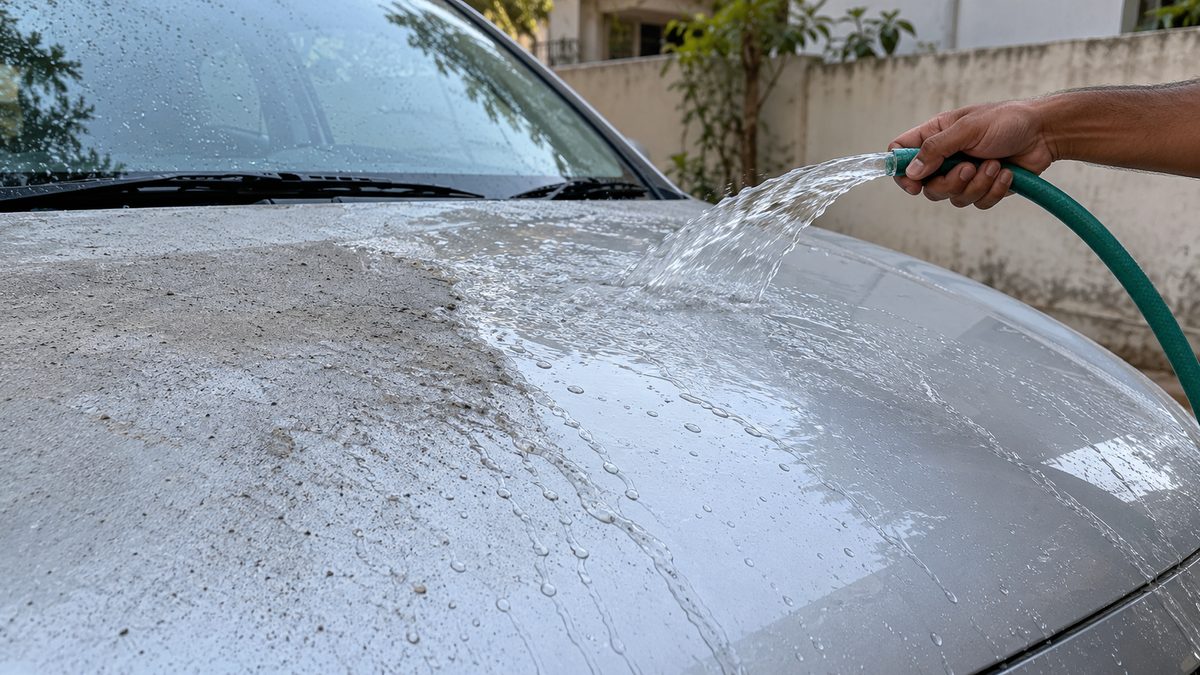
Car Cleaning After Diwali: Remove Ash Without Scratching
A rinse-first cleaning routine for the morning after Diwali, with separate steps for paint, glass and the cabin.
Car care gear
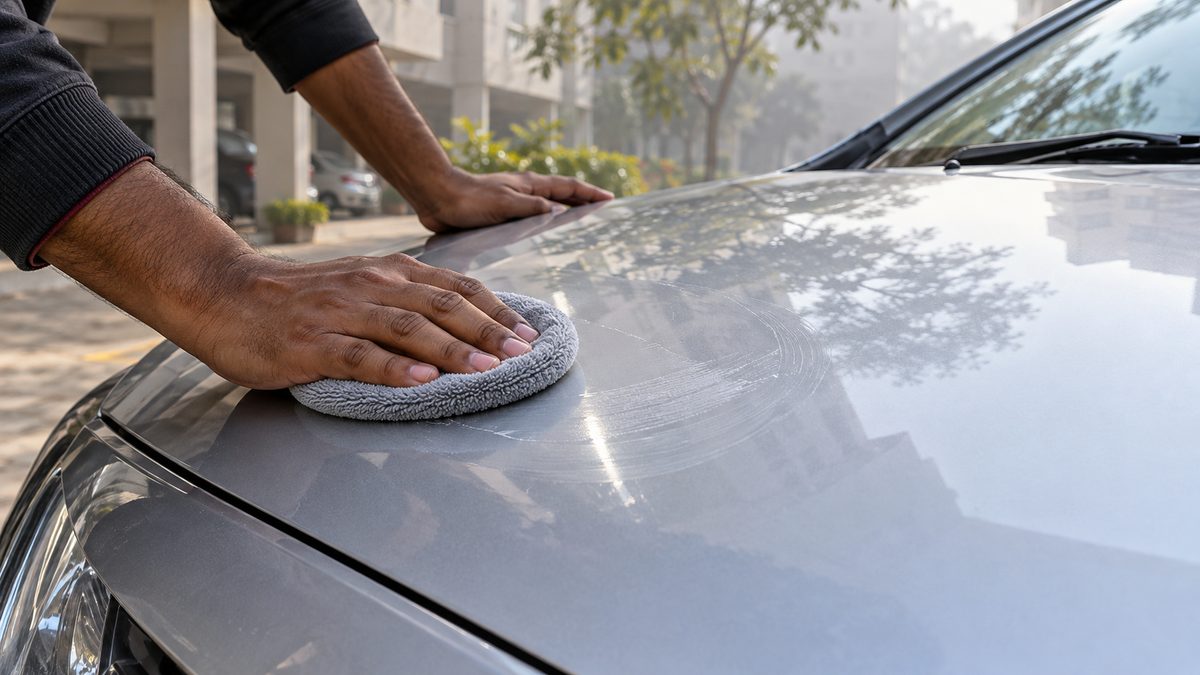
Car Wax for Winter: Dust, Fog and Paint Care
Choose wax or sealant for clean paint, then manage winter dust and damp with gentle washing, careful drying and sensible parking.
Car care gear
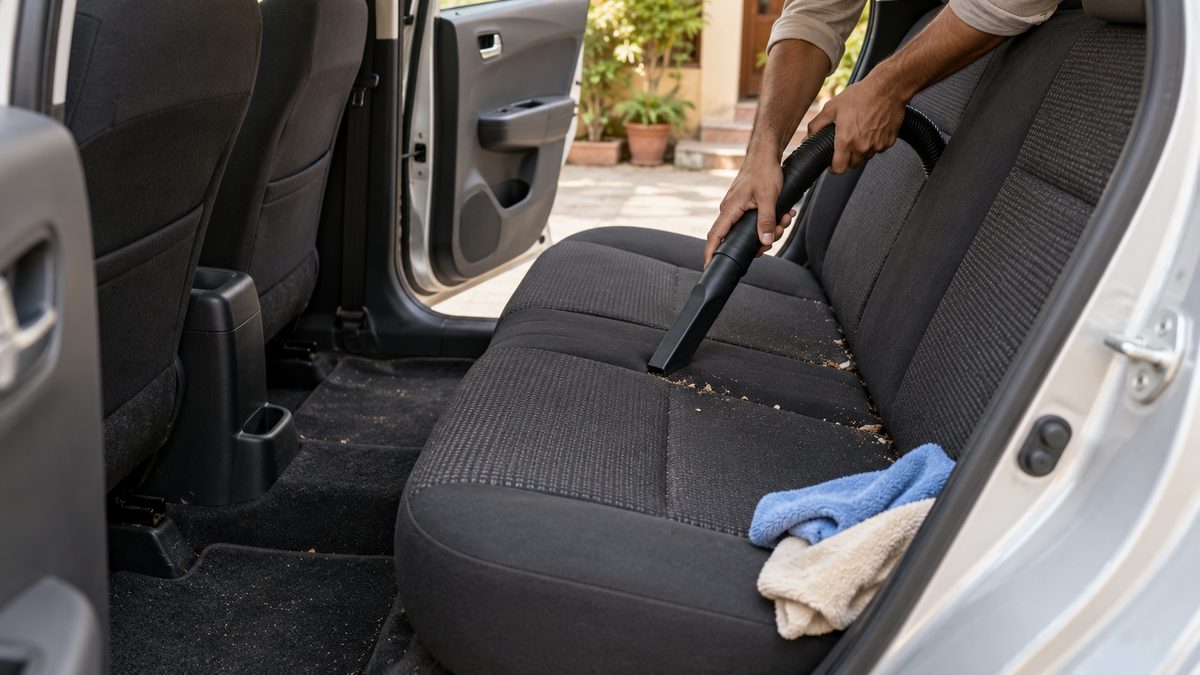
Clean the Car Interior Before Festive Travel, Zone by Zone
A practical order for cleaning the boot, seats, floor, dashboard, vents and glass, with drying and child-seat checks before travel.