Power & charging
PHEV Home Charging: Check the Parking Bay Before Delivery
By Samveg Jain · Updated 2 November 2026 · 6 min read
Some links on this site may be affiliate links. If you buy through them we may earn a commission, at no extra cost to you. It never changes what we recommend. How this works.
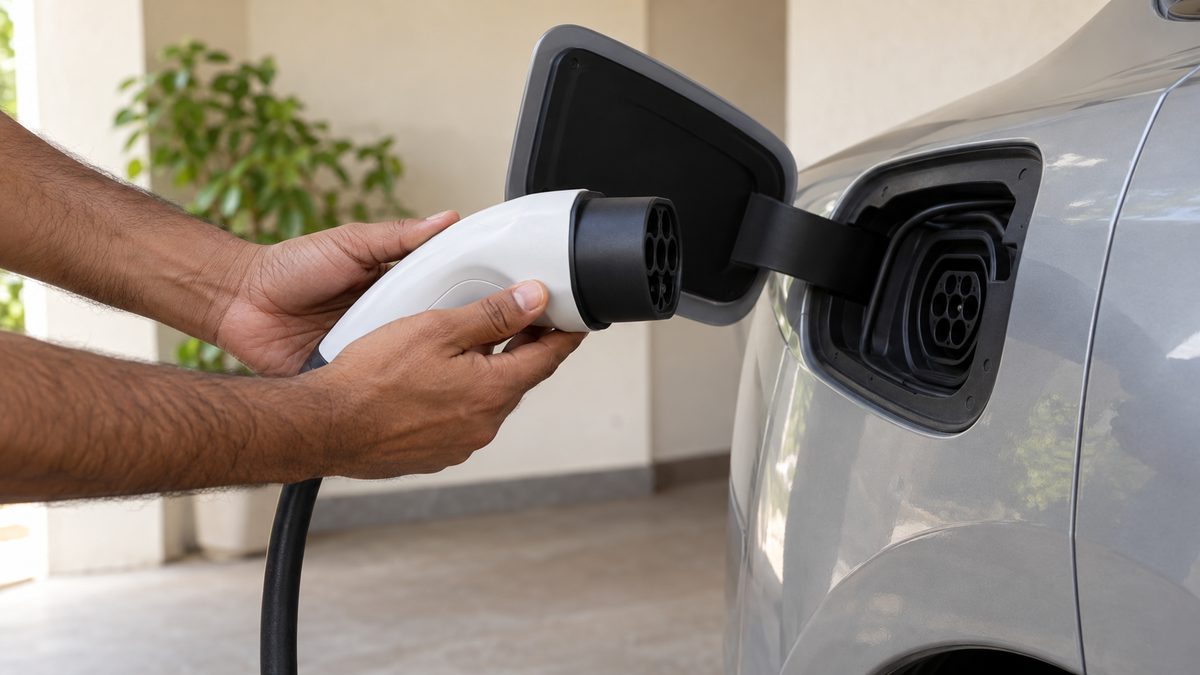
Quick answer
Before charging a PHEV at home, confirm parking permission and have a qualified electrician or approved installer assess the supply, earthing, wiring and protective devices. Use vehicle-approved equipment and a safe cable route; do not improvise with extensions or adaptors.
Before charging a plug-in hybrid at home, confirm that you can use the parking space and have a qualified electrician or approved installer assess the electricity supply, wiring, earthing and protection. Use equipment approved for the vehicle, with a cable that reaches safely without extensions or adaptors.
The useful first purchase is an assessment of your own bay, not a box chosen from a charging-speed claim. This checklist is general planning information. Electrical work and fault diagnosis belong with a qualified professional following the vehicle and charging equipment instructions.
Start at the bay where the car sleeps
Stand beside your normal parking position and identify where the car’s charging port will sit. A wall that looks close may be awkward if you reverse in, share a bay or need room to open a door. Check the route with the car parked as it will be used.
In shared parking, get the necessary owner or housing-society permission before arranging work. Agree where equipment can be mounted, how the cable reaches the bay, who pays for the electricity and who can isolate the supply. Keep the agreed arrangement in writing.
A cable must not cross a staircase, pavement, shared walkway or vehicle route. If that is the only available path, ask the installer for another arrangement. Do not turn a communal socket and a long extension lead into a permanent charging plan.
Give the electrician the car’s requirements
Obtain the Indian vehicle’s charging instructions before the survey. Share the connector details, supported AC charging capability and requirements for any portable charging equipment or fixed unit. A battery capacity figure does not tell an electrician what circuit to install.
Ask for an assessment of the incoming supply, household load, existing wiring, earthing, socket condition and protective devices. The installer should determine the suitable circuit, isolation and residual-current protection for the equipment. Do not copy cable sizes or breaker ratings from another owner’s installation.
Discuss what else runs while the car charges, including air conditioners, water heaters and cooking appliances. If supply changes or load management are needed, get those resolved before regular charging. A socket that runs a small appliance without trouble is not proof that it suits prolonged vehicle charging.
Confirm any utility approvals with the electricity provider and check the current rules where you drive. Ask for a written scope of work and the installation and test records, so a future electrician can understand what was fitted.
Use this survey checklist before delivery day
| Check | What you need settled |
|---|---|
| Parking rights | Permission for the bay, mounting point and cable route |
| Supply and circuit | Professional assessment of capacity, wiring, earthing and protection |
| Equipment match | Written compatibility with the car and available electrical supply |
| Weather exposure | Suitable equipment and positioning for the bay’s rain, dust and water risks |
| Metering | An agreed method for recording and paying for electricity in shared premises |
| Handover | A demonstrated charging routine, labelled isolation and fault contact details |
If you are still choosing a vehicle, the PHEV buyer’s explanation helps match the charging commitment to your weekly journeys. Arrange the survey while comparing cars, rather than after the vehicle arrives.
Choose cable reach without adding joints
Use a compatible charging cable and equipment specified or approved for your vehicle. Check what is supplied with the car before ordering anything. Domestic extension boards, travel adaptors and improvised socket converters add connections that may be unsuitable for sustained charging.
The lead should reach without tension at either end and stay clear of tyres, sharp edges and closing doors. Follow the equipment instructions on laying out the cable during use. Store it on a suitable holder afterwards, with the connector protected from dirt and the cable free of tight bends.
Keep the charging lead separate from heavy boot contents that can crush it. Our boot organiser guide can help with storage planning, but an organiser cannot make a damaged cable safe. Replace or have damaged equipment assessed through the appropriate service channel.
Plan for rain and water on the floor
Outdoor charging needs equipment and installation suited to that location. Have the installer consider wind-driven rain, drainage and where water collects during the monsoon. A roof over the bay does not solve water running down a wall or pooling around a connector.
Do not place charging connections on the ground or wrap them in plastic bags as weather protection. Avoid handling connectors with wet hands. If the bay or equipment is flooded, keep away and have the supply isolated safely by a professional; do not enter water to unplug the car.
Practise one complete charging session
At handover, ask the installer to demonstrate connection, starting, stopping and disconnection in the order required by the equipment. Learn the normal status indicators and how to release a locked connector. Never pull the cable to free it or force the charging-port latch.
Check the cable and connector visually before use. Stop using equipment if you notice damage, discolouration, a burning smell or unusual heating. Repeated tripping needs investigation; do not keep resetting the protection or bypass it. For smoke or fire, move people away and contact emergency services.
Keep the bay lit and uncluttered so you can see a damaged lead or a trip hazard. The car fire extinguisher guide covers a separate part of preparedness; carrying an extinguisher does not replace electrical fault prevention.
Finish by saving the installer’s contact details, equipment instructions and test records together. A clear routine makes regular charging practical, while a documented installation gives the next professional something useful to check when a fault or household change occurs.
What to look for when you buy
Installer site assessment
A documented check of the supply, earthing, circuit protection and parking location against the equipment instructions.
Compatible home charging equipment
The correct connector, supply requirements and installation arrangements for the vehicle.
Cable storage holder
Smooth support that keeps the disconnected cable off the floor without sharp bends.
Rechargeable torch
A simple steady light for inspecting the bay and cable when the garage lighting is poor.
Frequently asked questions
Can I use rooftop solar to charge my PHEV?
Ask your solar installer and charging installer to assess the complete system together. Generation, household demand and equipment compatibility determine what is possible; solar panels alone do not guarantee charging during a power cut.
Can charging run from a home inverter?
Do not assume it can. Get written confirmation from the vehicle, charging equipment and backup-system suppliers, with an installer’s assessment of capacity and protection.
What if I move house after buying the car?
Arrange a fresh site assessment at the new address. Equipment suitable for one supply and parking bay may require changes elsewhere; fixed equipment should be removed and refitted professionally.
How should I clean the charging connector?
Disconnect and store it as instructed, then follow the manufacturer’s cleaning method. Do not spray liquid into contacts or scrape them with tools. Have damaged or contaminated contacts assessed before reuse.
Can a visitor use my home charger?
Check vehicle and connector compatibility, equipment instructions and parking permission first. Explain the start and stop procedure and cable route rather than handing over a connector without checking.
More guides
Power & charging
Car Phone Charging for Long Road Trips
Match charger ports, cables and socket limits before a long drive. Plan safe phone placement and simple charging checks for Indian road trips.
Power & charging
A Charger for a Car Parked for Weeks: What to Check First
Choose a charger for a parked car by battery chemistry, voltage and maintenance mode, with connection checks and clear reasons to stop.
Power & charging
Car Key Fob Battery: Symptoms and Safe Replacement
Identify a weak key fob battery, confirm the exact coin cell and follow a careful replacement process without damaging the casing.