Safety gear
Child Car Seat Buying Guide: Fit the Child and the Car
By Samveg Jain · Updated 22 October 2026 · 5 min read
Some links on this site may be affiliate links. If you buy through them we may earn a commission, at no extra cost to you. It never changes what we recommend. How this works.
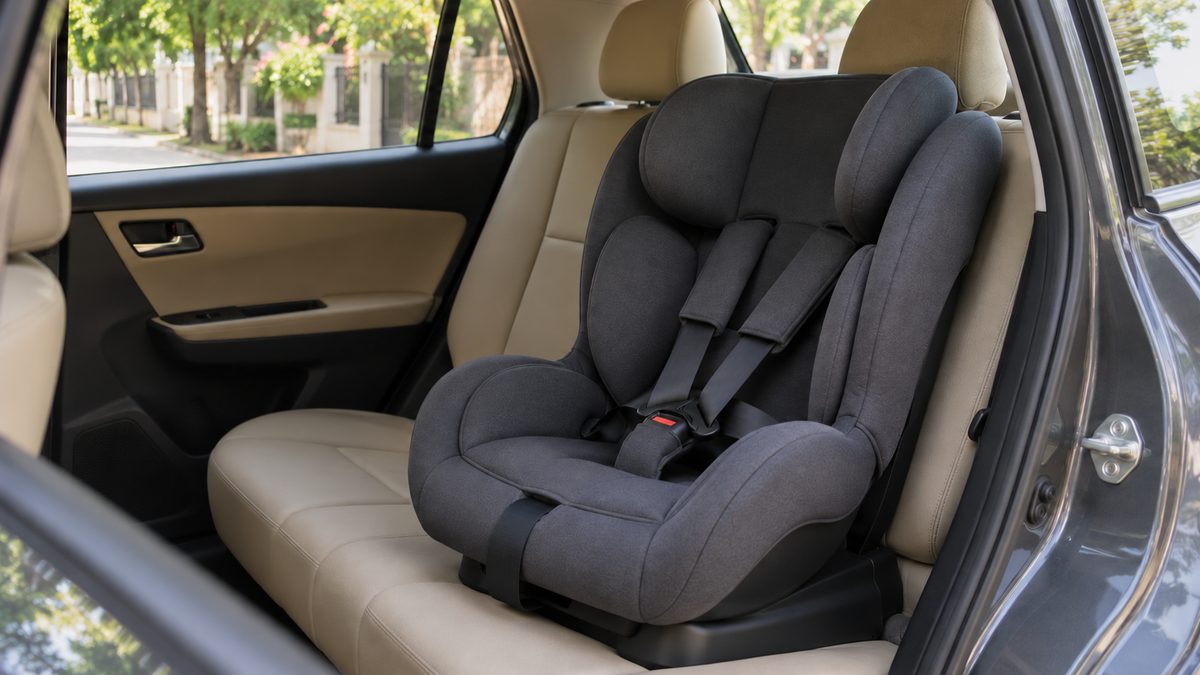
Quick answer
Choose a child seat approved for your child's height and weight and compatible with the car and seating position. Keep the child rear-facing as long as the seat allows, and never place a child seat in front of an active airbag.
Buy a child car seat that fits both your child's permitted height and weight range and your car's approved seating position. Keep the child rear-facing as long as the seat allows, and never put a child seat in front of an active airbag. A fitting trial is more useful than choosing by age labels or upholstery alone.
Start with the child's current measurements, the car handbook and the seat's fitting instructions. This is general buying information; obtain qualified fitting help if the instructions leave any doubt. For requirements on your route, check the current rules where you drive and consult the relevant official guidance.
Use the seat limits rather than birthday milestones
Seat stages describe different restraint arrangements, but their names do not replace the stated height and weight limits. Check every eligibility condition printed on the seat and in its manual. A child reaching a birthday does not automatically need to move up, while exceeding a permitted limit requires a suitable next restraint.
Rear-facing travel should continue as long as the chosen seat permits for that child. When evaluating the next stage, look at harness position, available shell space and the maker's transition instructions together. Do not treat bent legs alone as proof that a rear-facing seat has been outgrown or improvise a change in orientation.
Understand what ISOFIX does and does not tell you
ISOFIX connects a compatible restraint to designated anchorages in the car. It can simplify some fitting steps, but the car having anchor bars does not establish compatibility with every seat. Check the vehicle list, seating position restrictions and any requirement for a support leg or top tether before ordering.
A top tether must use the designated anchorage, not a luggage hook that looks similar. A support leg needs an approved floor surface; underfloor storage compartments may create restrictions. Ask for a demonstration of the exact arrangement in your car. Colour indicators help confirm particular connections, but they do not check every aspect of installation.
Belt fitting can be appropriate when approved
A belt-installed child seat can be suitable when its instructions and the car allow that installation. Confirm the correct belt type and routing, adequate belt length and buckle position. The adult belt must follow the prescribed path without twists, and its buckle must not bear against the seat in a prohibited way.
Do not combine ISOFIX and the vehicle belt unless that specific installation calls for both. Some boosters use lower connectors to locate the seat while the adult belt restrains the child, which differs from a harness seat installation. Read the instructions for the actual restraint rather than applying advice from another seat category.
Test the installation before committing to purchase
- Bring the child's height and weight details, and identify the car's exact model and seating position.
- Check all required anchorages and the vehicle compatibility information before placing the seat.
- Install it using one approved method, including any required support leg, tether or locking procedure.
- Assess movement only where and how the seat maker directs; pulling the top of the shell can give a misleading impression.
- Seat the child, adjust the restraint and check buckle access without disturbing the installation.
- Confirm other passengers can use their own belts correctly and that doors close without forcing the seat.
Allow time to repeat the installation yourself while the fitter watches. A demonstration that only the seller can reproduce is not enough for daily use. If grandparents or another regular driver will move the seat, they need to understand the same instructions and compatibility limits in their vehicle.
Check harness and booster fit separately
For a harness seat, follow the specified shoulder position, routing and tightening method. Remove bulky clothing that prevents a close fit, and use only inserts permitted for the child's stage. Check straps for twists and make sure the buckle engages fully. Comfort changes must stay within the maker's approved adjustments.
A booster requires the child to meet its eligibility rules and sit properly throughout the journey. The lap section should lie low across the pelvis, with the shoulder belt correctly positioned across the chest and shoulder as directed. Never route it under an arm or behind the back to address discomfort.
Examine practical details without compromising restraint
A removable washable cover is useful only if you can refit it correctly. Read washing directions before purchase, especially for harness webbing and padding. Check whether replacement covers and instructions remain available. Photographing approved belt routing can help recall, but keep the manual accessible because a photograph cannot explain all fitting conditions.
Consider daily loading space, buckle reach and the ability to adjust the harness with the seat installed. Use the family journey checklist to plan breaks and reachable supplies. Store bags and toys securely; the organiser guide helps assess storage without attaching unapproved items to the restraint.
Check how the seat changes between cars
If you expect regular transfers, compare the installation procedure in every car that will carry the child. A seat that fits the main family car may be restricted in a smaller second vehicle. Check where the manual is stored, whether required base components travel with the seat and how you will avoid leaving a tether unsecured. Do not purchase a spare base solely because its connector looks the same. The seat maker must confirm the exact pairing. A simpler approved arrangement that caregivers can fit consistently is preferable to features they cannot use correctly.
Recheck the setup as your child grows
Review fit after changing harness height, removing an insert or transferring the seat. Keep the child's measurements current and inspect the cover, buckle and straps under the maker's maintenance directions. If an indicator changes or a connection loosens, stop and correct the installation before continuing the journey.
For longer travel, combine restraint checks with the car inspection before departure. Avoid improvised padding, belt clips or supports offered as universal fixes. If a compatible installation cannot be achieved, choose a different seat or permitted seating position with qualified fitting advice rather than accepting a nearly correct fit.
What to look for when you buy
Rear-facing child seat
A permitted height and weight range covering the child, with confirmed vehicle fit.
Forward-facing harness seat
Suitability for the child's next stage and every required anchorage.
Belt-positioning booster
Correct child eligibility, lap-and-shoulder belt routing and support.
Fitting demonstration
A trial in your car using the exact seat and its instructions.
Frequently asked questions
Can I fit a seat in the middle rear position?
Only if both the car and seat instructions permit that position and its anchorage or belt arrangement.
Can a sleeping child travel with a loose harness?
No. Fit the harness as instructed before travel, including when the child is asleep.
Should I buy a second-hand seat?
Only consider one with a known history, complete parts and instructions, no unresolved recall and no disqualifying damage or age under its maker's guidance.
Can I add a head support or extra cushion?
Use only accessories permitted by the seat maker. Added padding can change harness fit or restraint behaviour.
What should I do after a collision?
Follow the seat maker's collision replacement instructions and have the vehicle assessed. Visible appearance alone does not establish that a seat can be reused.
More guides

Safety gear
Car Safety Around Firecrackers: Parking for Diwali
A practical parking and inspection plan for Indian car owners before and after Diwali celebrations.
Safety gear
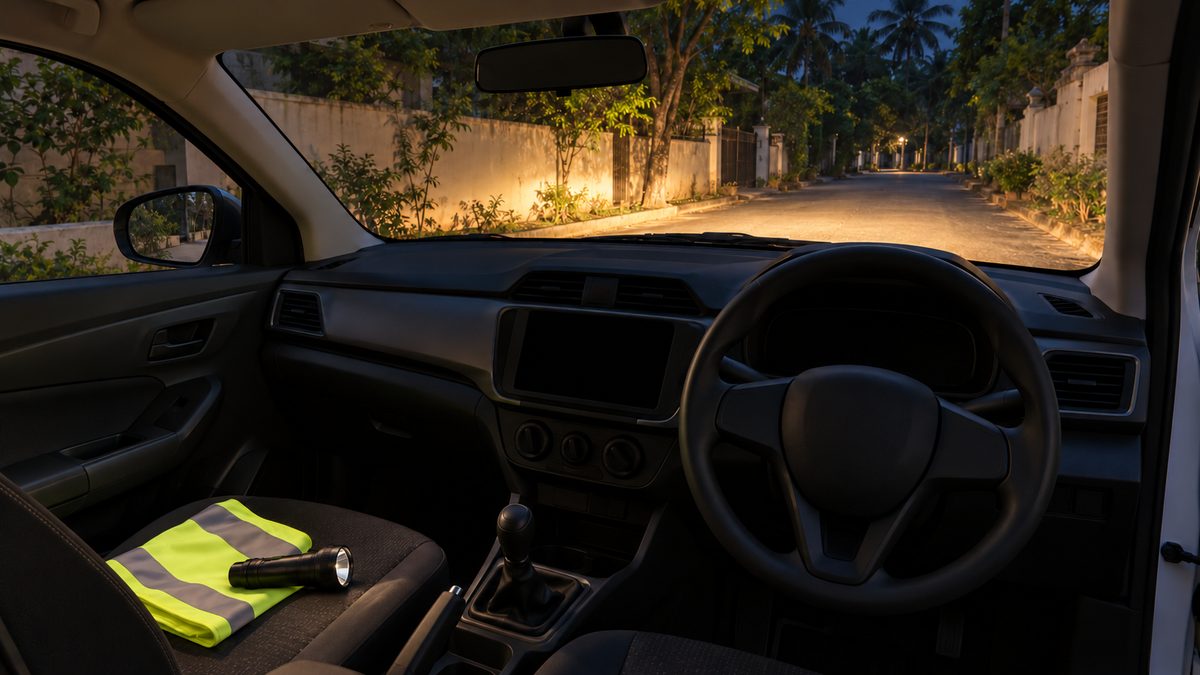
Night Driving Checklist: Lights, Glare, Fatigue and Kit
Prepare for an evening drive with checks for lights, glass, mirror glare, fatigue and breakdown equipment, plus clear reasons to delay.
Safety gear
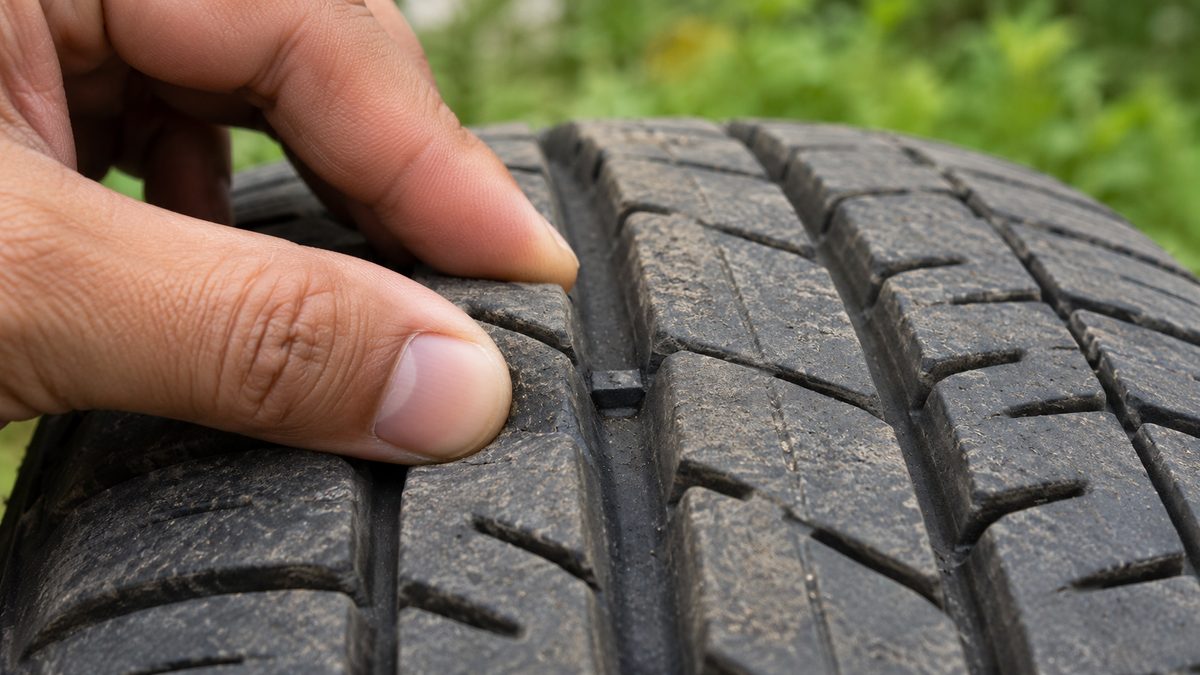
Tyre Tread Depth: Check Wear Before Buying Replacements
Inspect tread grooves, wear indicators and uneven wear before choosing replacement tyres. Know when a professional inspection cannot wait.