Car care gear
Ceramic Coating vs Wax: Preparation and Upkeep
By Samveg Jain · Updated 22 October 2026 · 6 min read
Some links on this site may be affiliate links. If you buy through them we may earn a commission, at no extra cost to you. It never changes what we recommend. How this works.
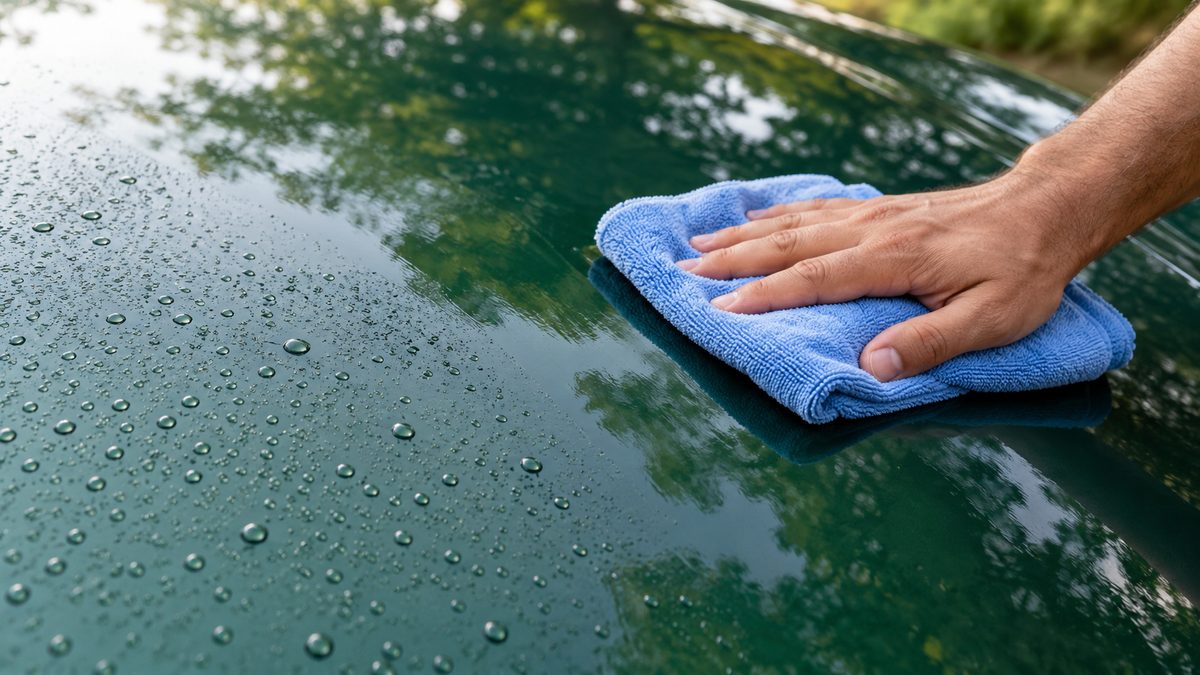
Quick answer
Wax offers a renewable paint-protection layer; a ceramic coating usually needs more demanding preparation and curing. Choose around paint condition, application facilities and upkeep, without expecting either to prevent stone chips or repair scratches.
Choose wax if you want a paint-protection layer you can renew with relatively straightforward preparation and application. Consider ceramic coating when you can provide its required paint preparation, application conditions and curing time. Neither option fixes scratches, prevents stone chips or removes the need for careful washing.
Compare the work attached to each finish
Wax is applied as a thin protective layer and renewed as its performance changes under the maker's guidance. Products vary in ingredients, application method and suitable surfaces. A ceramic paint coating forms a different protective layer and often demands closer control of preparation and curing. The category name alone does not tell you how difficult a particular product will be to use.
Read the actual instructions rather than comparing bold durability promises. A spray described as ceramic may have different preparation and maintenance needs from a coating supplied for a professional installation. Ask what the product is intended to do, how it is applied and what aftercare it needs. Compare the work you will perform, not just the wording on the bottle.
Look at the paint before buying a treatment
Wash the car and examine it in useful light. Note scratches, swirl marks, tar, rough areas, existing protection and damaged paint. Protection can make clean paint easier to maintain, but it does not remove defects underneath. If you want paint correction, have the condition assessed before deciding how much correction is safe or worthwhile.
Do not polish repeatedly in pursuit of a flawless reflection. Abrasive correction removes material, and paint condition varies across repaired panels, edges and older finishes. A competent detailer can explain the limits and show which defects will remain. Seek paint repair advice for peeling clear coat, rust or exposed metal before putting a protective product over the area.
Give washing and decontamination enough time
Start with a suitable wash process and clean equipment. Remove loose grit before touching the paint, use products approved for the surface and keep wheel-cleaning tools separate. The wash-kit and cloth guide helps organise those basics. A coating applied over contamination is not a shortcut around cleaning and may leave an uneven finish.
Use chemical or mechanical decontamination only where needed and as the product instructions allow. Clay treatment can mark paint if used incorrectly, and strong cleaners may affect trim or existing protection. Test an approved process on a small area first. Do not mix chemicals or assume a preparation liquid suitable for one finish suits every repainted or wrapped panel.
Check the working space before opening the bottle
A ceramic coating may specify temperature, moisture conditions, application windows and a period without water exposure. You need somewhere that can support those requirements for the full process. An uncovered parking space with dust, falling debris or an approaching shower may make the job impractical even if application itself appears quick in a demonstration.
Wax also needs suitable conditions. Hot panels or direct sun can make some products difficult to spread or remove. Follow the stated method and work in manageable sections, with suitable ventilation and personal protection. Keep chemicals away from children and store containers as directed. Do not leave a treated panel half-finished while looking for a missing cloth.
Choose with this ownership checklist
- Choose wax when you can wash carefully and accept periodic renewal. Read whether it is intended for your paint finish and whether accidental contact with textured trim could leave residue that needs special removal.
- Consider a coating when preparation and curing can be completed properly. Confirm what happens if weather interrupts the job and who will deal with streaks or uneven application before the product hardens.
- Ask a professional installer what preparation is included. Request a description of remaining paint defects, the aftercare process and the conditions attached to any warranty rather than assuming the service includes every correction step.
- For matte paint, wraps or paint-protection film, use only explicitly compatible products and methods. Ordinary polishing or gloss-enhancing treatments may change the intended finish or damage a surface that needs specialist care.
Before booking a service, ask how the vehicle will be stored during curing and when you can wash it again. Write down those instructions at collection. If your next journey would expose a freshly treated car to conditions the coating maker excludes, change the appointment rather than shortening the curing process.
Judge finish quality before judging water beads
After application, inspect the finish under varied lighting according to the product's timing instructions. Uneven coating residue can leave visible patches or streaks. Correct them using the maker's process promptly; do not experiment with stronger chemicals once the layer has cured. Wax residue around badges and trim should also be removed with an approved gentle method.
Keep paint products away from glass unless they are specifically approved for it. Windscreen treatments have separate compatibility and residue concerns, covered in the glass repellent and wiper guide. A product that creates an attractive reflection on a bonnet is not automatically safe on a windscreen, lamp lens, sensor cover or camera housing.
Check residue while correction is still permitted
Inspect the finish from several angles under suitable lighting before considering the application complete. A smear, missed patch or coating high spot may need attention within the product's stated working process. Do not keep rubbing a curing coating with an increasingly dirty towel or add another layer to hide the mark. Follow the correction instructions or ask the installer to inspect it. With wax, check panel edges and trim for residue as well. Careful removal at the correct stage is more useful than discovering an uneven finish after the car has been parked outside.
Maintain the finish through ordinary use
Wash with suitable products, remove contamination promptly using approved methods and avoid dry wiping dusty paint. Inspect bird droppings, tree residue and water spots rather than assuming the coating makes them harmless. Follow the maker's maintenance schedule and assess the surface after proper cleaning before deciding that reduced water beading means another layer is needed.
Parking conditions also matter. A cover can trap dirt against paint if used carelessly, so consult the car-cover buying guide before combining treatments with covered storage. If your routine cannot support detailed aftercare, a simpler protection process used consistently may suit you better than a demanding coating applied once and then neglected.
What to look for when you buy
Paint wax
Clear surface compatibility, application instructions and a manageable removal process.
Ceramic paint coating
Documented preparation, curing conditions and maintenance requirements.
Preparation wash kit
Paint-safe cleaning products and separate clean wash and drying materials.
Frequently asked questions
Will coating hide stone chips?
No. A coating does not rebuild missing paint. Assess chips and any exposed metal before applying protection.
Does water beading prove the paint is protected?
Beading shows surface water behaviour, but does not establish coating condition or protection against every type of damage.
Can I apply wax over a coating?
Only when the coating maker permits the specific product. Added layers can change water behaviour and complicate maintenance.
Can a coated car use an automatic wash?
Follow the coating and vehicle guidance. Aggressive brushes or incompatible chemicals can mark paint or affect the applied layer.
More guides
Car care gear
Car Cleaning After Diwali: Remove Ash Without Scratching
A rinse-first cleaning routine for the morning after Diwali, with separate steps for paint, glass and the cabin.
Car care gear
Car Wax for Winter: Dust, Fog and Paint Care
Choose wax or sealant for clean paint, then manage winter dust and damp with gentle washing, careful drying and sensible parking.
Car care gear
Clean the Car Interior Before Festive Travel, Zone by Zone
A practical order for cleaning the boot, seats, floor, dashboard, vents and glass, with drying and child-seat checks before travel.