Safety gear
Firecracker Damage to Your Car: What to Record Before a Claim
By Samveg Jain · Updated 26 October 2026 · 6 min read
Some links on this site may be affiliate links. If you buy through them we may earn a commission, at no extra cost to you. It never changes what we recommend. How this works.
Quick answer
If a firecracker damages your car, make the scene safe, photograph the damage and tell your insurer promptly through its official claims channel. Ask about inspection, repairs and any police documentation before proceeding. Payment depends on the policy's own-damage cover, terms and assessment; a third-party-only policy does not cover damage to your own car.
If a firecracker damages your car, put people out of danger, photograph the scene when safe and contact your insurer before arranging non-emergency repairs. Ask what inspection and documents it requires. A claim depends on your cover and the assessed circumstances, so do not treat a burn mark as a promise of payment.
This is general information for car owners in India. Your policy wording, schedule and the insurer's official instructions govern the claim. For any police or road requirements, check the current rules where you drive.
Deal with heat and smoke before paperwork
If flames, smoke, unusual heat or a burning smell remain, move people away and call the fire service or emergency assistance. Keep clear of traffic and do not reach under the bonnet or touch damaged wiring to improve a photograph. Do not start a fire-damaged car just to see if it still runs.
Once the immediate danger is controlled, ask roadside assistance or a competent workshop whether recovery is needed. Visible paint damage may be superficial, but heat near wiring, tyres, glass or fuel-system parts deserves professional assessment. An apparently small mark does not establish that the vehicle is safe to drive.
Know the limits of any equipment you carry. The car fire extinguisher guide discusses preparation, but collecting evidence or saving the vehicle must never delay getting occupants to safety.
Build a record before cleaning the damaged area
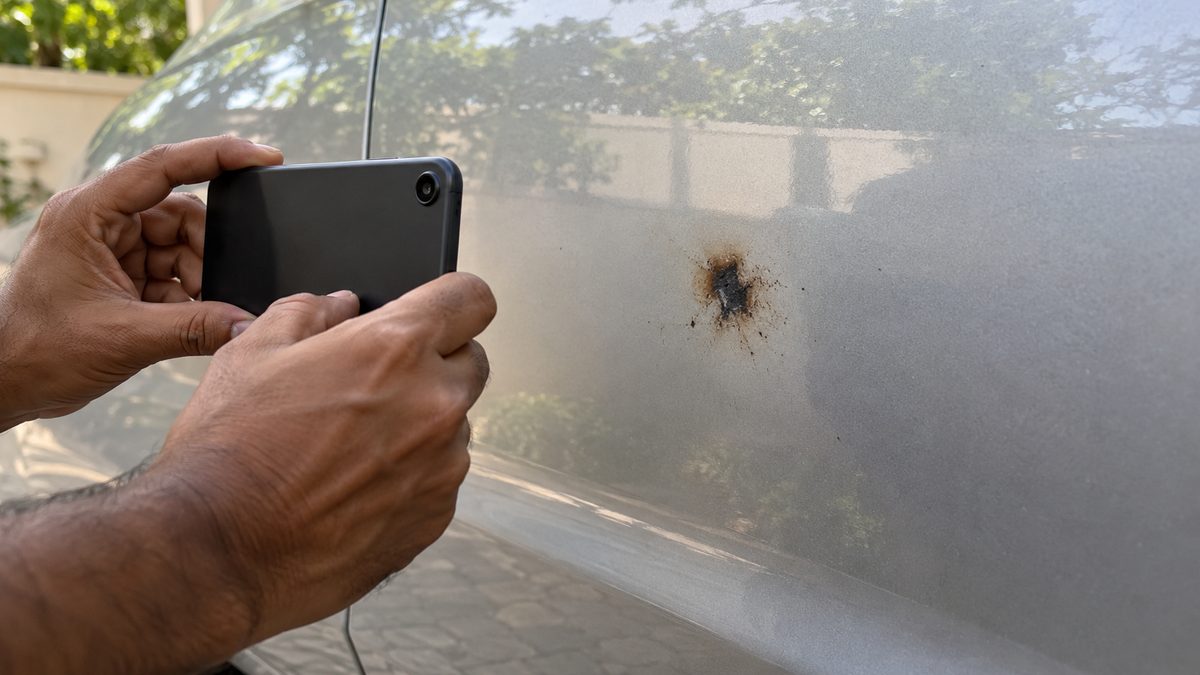
When safe, take wide photographs showing the parked car and surroundings, then closer views of each affected panel. Include undamaged adjacent areas so the extent is clear. Keep original files rather than saving only edited or compressed copies. Take photographs in useful light without moving hot debris.
- Record when you discovered the damage and where the car was parked.
- Photograph scorch marks, broken glass and nearby debris from a safe distance.
- Write down what you saw separately from what you think happened.
- Preserve available camera footage before recordings are overwritten.
- Keep recovery receipts and messages exchanged with the insurer or workshop.
If someone witnessed the incident, ask whether they are willing to provide an account and contact details. Do not confront a suspected person or disturb potentially relevant evidence. Request nearby camera footage through the owner or authorities as appropriate. Our parking-mode dash cam guide explains recording limits; a fitted camera may not have captured the event.
Notify the insurer and clarify the police-report requirement
Use the claims contact in your policy documents or the insurer's official website. Report promptly and ask about the notification deadline that applies to your policy. Give the discovery time, location and a factual description. If you found damage later, explain the gap instead of guessing an incident time.
Ask whether police intimation, a written complaint or another report is required for these circumstances. A report may be relevant where deliberate damage, injury, a larger fire or another offence is suspected. Requirements vary, so neither assume that every minor mark needs the same document nor that no report will be needed.
Save the claim reference and the written instructions. Ask how photographs should be submitted, who will inspect the car, whether it can be moved and how urgent protective work should be handled. If essential safety measures cannot wait, record the reason and keep the associated evidence and bills.
Keep a simple contact log with the date, the person or department reached and the next agreed action. Confirm telephone instructions in writing through the official channel when possible. This helps if the recovery team, workshop and claims handler are waiting on different information, and prevents an estimate being mistaken for permission to begin repairs.
Read the cover that applies to your own car
Third-party-only cover does not pay for damage to your own vehicle. Firecracker damage may be considered under suitable own-damage cover, including the own-damage part of a wider policy, but the cause, exclusions and conditions matter. Ask the insurer to identify the relevant section rather than relying on a policy label alone.
| Policy detail | Question to ask |
|---|---|
| Cover and validity | Was relevant own-damage cover active when the incident occurred? |
| Damage assessment | Which damaged parts and repair operations are being considered? |
| Deductibles | What amount would I contribute under this policy? |
| Depreciation and add-ons | Which deductions or additional terms affect replacement parts? |
| Repair arrangement | How will authorisation and payment work at this workshop? |
Do not assume that an add-on removes every deduction or that a workshop's estimate equals the approved settlement. Request an explanation of uncovered work and your likely contribution before agreeing to the repair scope.
Authorise repairs with the inspection trail intact
Ask the workshop to prepare an itemised estimate and distinguish incident damage from existing scratches or wear. Share it as instructed and wait for the insurer's inspection or approval process before non-essential dismantling, polishing or repainting. Premature cleaning can remove useful evidence, while dismantling can make the original condition harder to assess.
Confirm who authorises additional work if hidden damage appears. Keep photographs, the estimate, survey correspondence, final invoice and payment records together. Before collecting the car, ask what safety checks were completed, especially where heat reached electrical or mechanical parts.
For prevention on the next festive evening, review the car safety advice around firecrackers. Once evidence and inspections are complete, the post-Diwali cleaning guide can help with ordinary residue. Burnt paint, cracked glass and melted components need repair advice, not an aggressive cleaning experiment.
What to look for when you buy
Charged torch
A steady light for photographs taken from a safe position, without touching hot or damaged parts.
Phone charging cable
A reliable cable and compatible charger to keep calls, claim records and photographs accessible.
Document pouch
A dry, accessible place for vehicle documents and written claim references, with secure digital copies as backup.
Frequently asked questions
Can I claim if I did not see the firecracker hit the car?
Report the damage and the circumstances you know. Say that the cause is suspected if you did not witness it. The insurer will decide what evidence and assessment it needs.
Will a claim affect my no-claim bonus?
An own-damage claim may affect it, depending on your policy and any relevant protection. Ask the insurer to explain the renewal implications before deciding on a small claim.
What if the car was borrowed by a family member?
Tell the insurer who had the car and provide accurate driver and usage details if requested. Cover depends on the policy conditions and circumstances; do not change the account to fit an assumption.
Should I post the incident photographs publicly?
Keep originals for the claim first. Public copies can reveal registration, address or personal details. Share evidence directly through the insurer's verified channel and with authorities when needed.
What can I do if the insurer declines the claim?
Ask for the written reason and the policy clause relied on. Use the insurer's official grievance process, then check the applicable official insurance complaints route if the dispute remains unresolved.
More guides
Safety gear
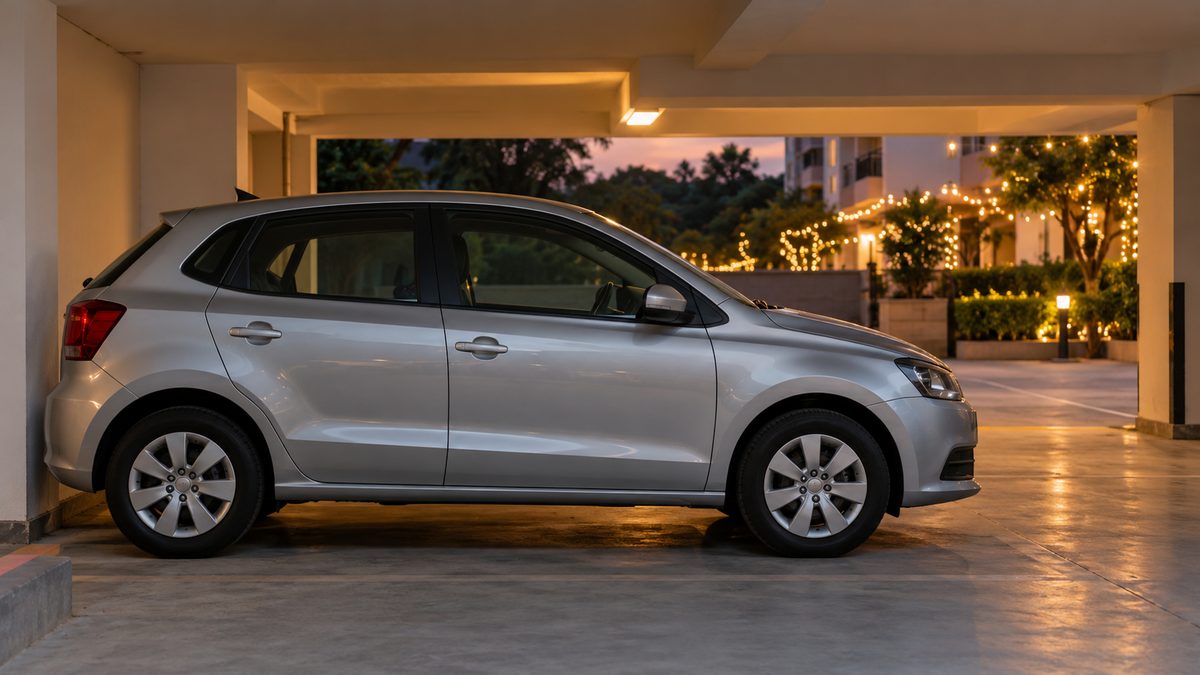
Car Safety Around Firecrackers: Parking for Diwali
A practical parking and inspection plan for Indian car owners before and after Diwali celebrations.
Safety gear
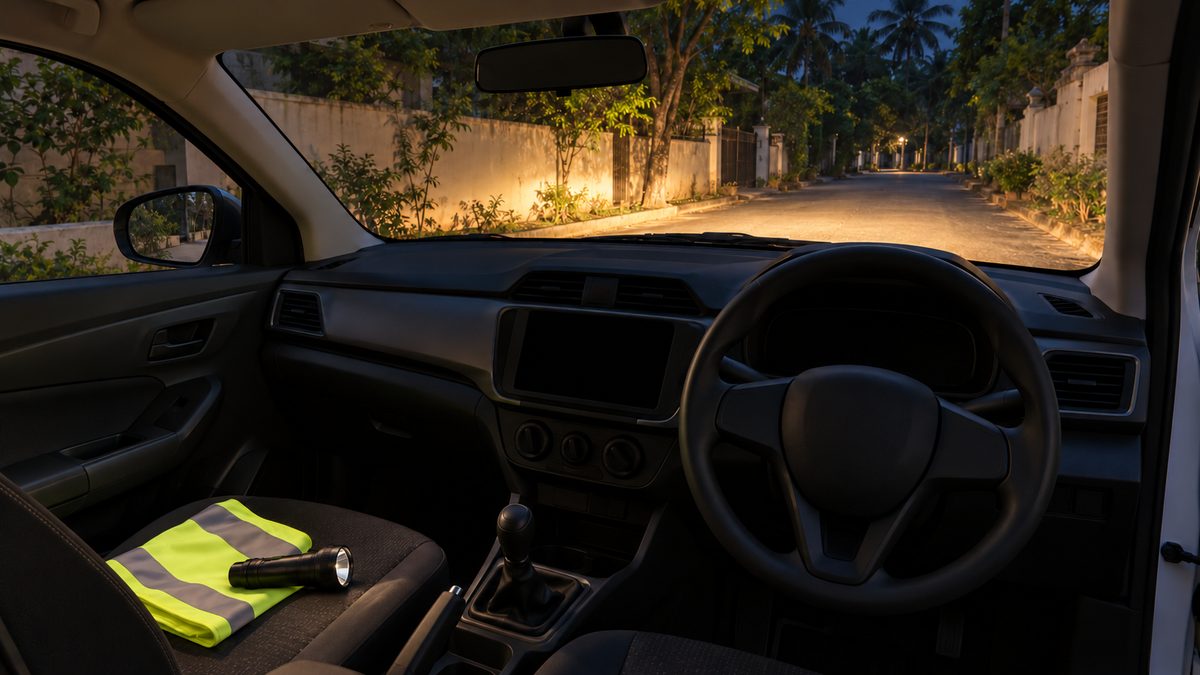
Night Driving Checklist: Lights, Glare, Fatigue and Kit
Prepare for an evening drive with checks for lights, glass, mirror glare, fatigue and breakdown equipment, plus clear reasons to delay.
Safety gear
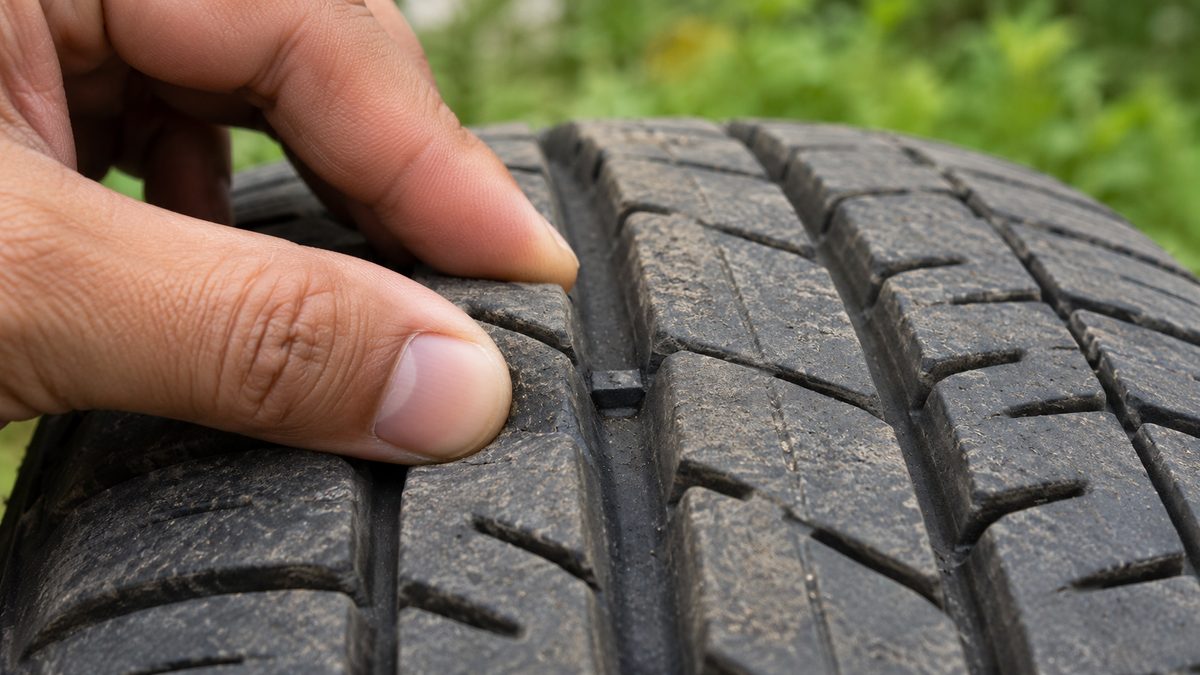
Tyre Tread Depth: Check Wear Before Buying Replacements
Inspect tread grooves, wear indicators and uneven wear before choosing replacement tyres. Know when a professional inspection cannot wait.