Safety gear
Refill Your Car First Aid Kit Before Winter Travel
By Samveg Jain · Updated 27 October 2026 · 5 min read
Some links on this site may be affiliate links. If you buy through them we may earn a commission, at no extra cost to you. It never changes what we recommend. How this works.
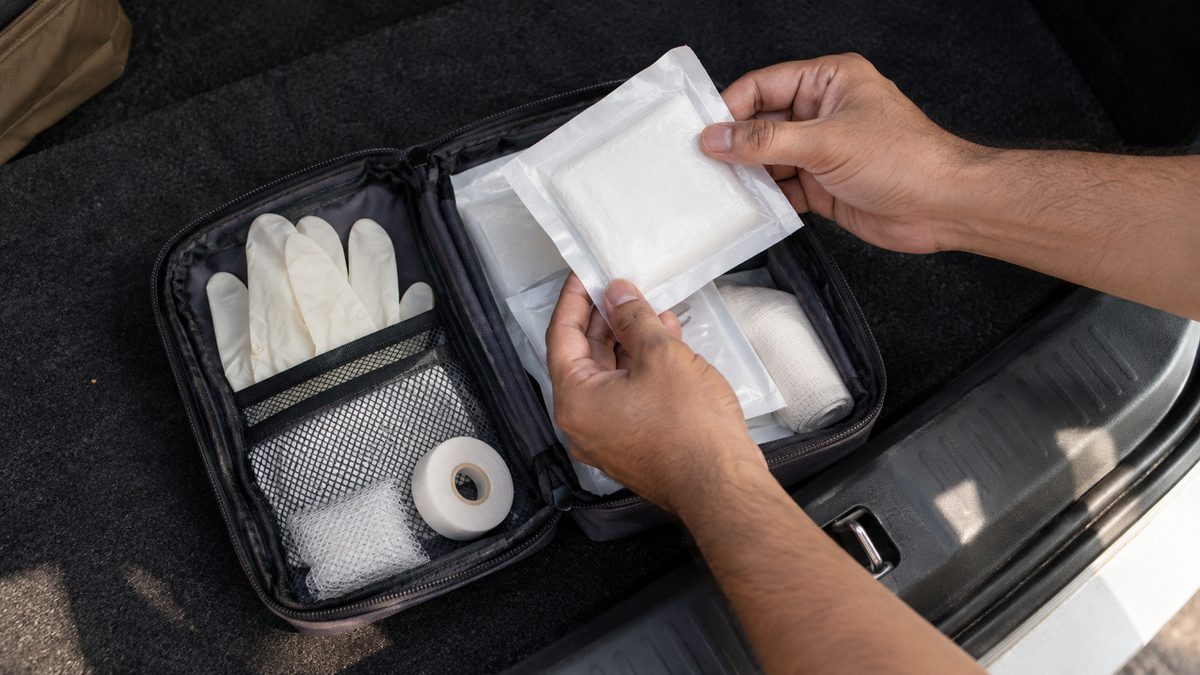
Quick answer
Empty the kit, inspect expiry dates and packaging, then replace used, damaged or expired supplies. Keep it dry, secured and accessible to an adult.
Refill a car first aid kit by checking every expiry date, seal and missing item, then replacing anything used, damaged or unsuitable for vehicle storage. Do this before winter travel rather than when an injury happens. A full-looking pouch can contain opened dressings, brittle gloves or medicines that have spent months in unsuitable heat.
This is general preparation information, not medical treatment advice. Get first aid training and seek professional care for serious injuries, heavy bleeding, breathing difficulties or symptoms that concern you. A car kit supports an initial response; it cannot replace emergency help or a clinical assessment.
Empty the pouch onto a clean surface
Work indoors with dry hands and enough light to read small print. Lay out the contents by purpose: barriers such as gloves, wound coverings, cleaning supplies and tools. Use the car first aid checklist as a starting inventory, then compare it with the kit instructions and your family's specific needs.
Do not open sterile packets simply to inspect their contents. Look for tears, split seams, damp marks and dirt around seals. If a packet was opened and pushed back into the pouch, it is no longer an unopened sterile supply. Separate questionable items immediately so they do not accidentally go back with the replacements.
Read dates alongside storage instructions
An expiry date is only one part of the check. Supplies may deteriorate sooner if exposed to moisture, direct sun or temperatures outside their labelled storage conditions. Read the packaging for each item rather than assuming all contents can tolerate the same conditions. A closed glovebox does not provide controlled storage.
Replace expired sterile supplies and any item whose date or identity can no longer be established. If medicines are included, ask a pharmacist about their condition, disposal and storage requirements. Do not extend a date based on appearance or transfer loose tablets into an unlabelled container to save space.
Refill around tasks a trained person can perform
Useful basic supplies commonly include disposable gloves, individually wrapped sterile dressings, adhesive dressings, medical tape and suitable bandages. Choose contents you can identify and use within your training. Keep the original instructions with unfamiliar items. Buying specialised equipment without knowing its limits can create false confidence during an emergency.
Check for suitable cleansing supplies rather than adding a random household liquid. Products must be appropriate for their intended first aid use and stored as labelled. Families with a personal emergency care plan should review that plan with their clinician and carry prescribed supplies in the recommended way, separately identified from general kit contents.
Use a refill list that records decisions
| Item check | Keep when | Replace or review when |
|---|---|---|
| Sterile dressing | Packet is sealed, dry and in date | Seal is broken, date passed or storage uncertain |
| Disposable gloves | Packaging and material remain sound | They are brittle, damaged or expired |
| Adhesive supplies | Packaging is intact and storage suitable | They have dried out or become contaminated |
| Personal medicine | Label and professional advice support storage | Identity, condition or temperature exposure is uncertain |
Write down quantities after removing unsuitable contents. Replace used items soon after a trip, rather than waiting for the next seasonal review. Keep a small inventory card inside the pouch so another adult can see what belongs there. A date on that card records your inspection; it does not change the expiry dates of the supplies.
Choose a location that adults can reach
Store the kit in a dry, secure compartment away from direct sunlight, liquids and sharp tools. It should not become a loose object in the cabin. Tell other adults where it is and ensure normal luggage does not bury it. A kit beneath a tightly packed boot floor may be difficult to retrieve when someone needs it.
Keep medicines and sharp items inaccessible to children. For family travel, plan access while packing with the family road trip checklist. If the supplies require storage conditions the parked car cannot maintain, take them indoors and carry them appropriately for the journey.
Separate first aid from roadside protection
A torch and suitable roadside warning equipment belong in the wider travel kit, but they should not crush or puncture medical packets. Read the roadside safety kit guide when arranging those items. On a breakdown, protecting people from moving traffic comes before searching through a pouch beside the carriageway.
Do not enter an unsafe traffic area to retrieve supplies. Contact the appropriate emergency service when needed and follow the dispatcher's instructions. Share your location clearly, including the direction of travel and a useful landmark if available. These practical preparations are as relevant as the contents of the kit itself.
Review after damp trips and every use
Winter journeys may involve dew, wet footwear and condensation, while a closed car can still get warm in the sun. Inspect the pouch if it becomes damp, and assess affected contents individually. Drying the outer bag does not restore a compromised sterile packet or establish that a medicine remains suitable.
After using the kit, clean reusable tools only as instructed and discard single-use items appropriately. Repack replacements by purpose and close the pouch without forcing it. Before the next departure, check access, inventory and personal medical plans together. If you are unsure what a supply is for, ask a pharmacist or qualified first aid trainer before relying on it.
What to look for when you buy
Sterile dressings
Intact individual packaging and sizes suitable for covering minor wounds.
Disposable gloves
Suitable fit, intact packaging and replacement before expiry or deterioration.
First aid pouch
Clear compartments, a secure closure and a dry location accessible to adults.
Frequently asked questions
Should I add antibiotics to the car kit?
Do not use a general car kit to store prescription treatment for unsupervised use. Discuss personal medication needs with a clinician or pharmacist.
Can the kit stay in the car during a service?
Check that it is returned to its usual secure position afterwards and that no contents have been removed or exposed to fluids.
Do scissors need special storage?
Keep them covered or secured inside the kit so they cannot puncture sterile packets or injure someone reaching inside.
Is a larger kit always more useful?
Only if you understand its contents and can store it safely. Relevant supplies and first aid training matter more than a crowded pouch.
More guides
Safety gear
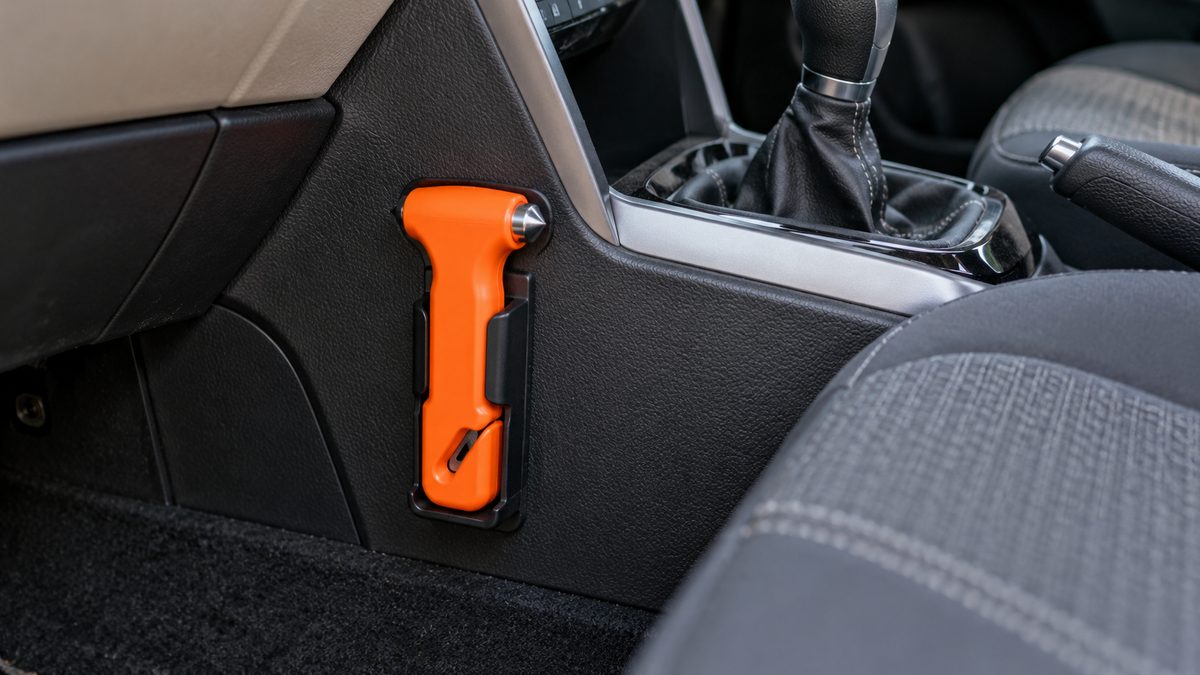
Emergency Car Hammers and Belt Cutters: Limits
Check window glass compatibility, protected blades and reachable mounting before choosing an emergency hammer and seatbelt cutter for your car.
Safety gear
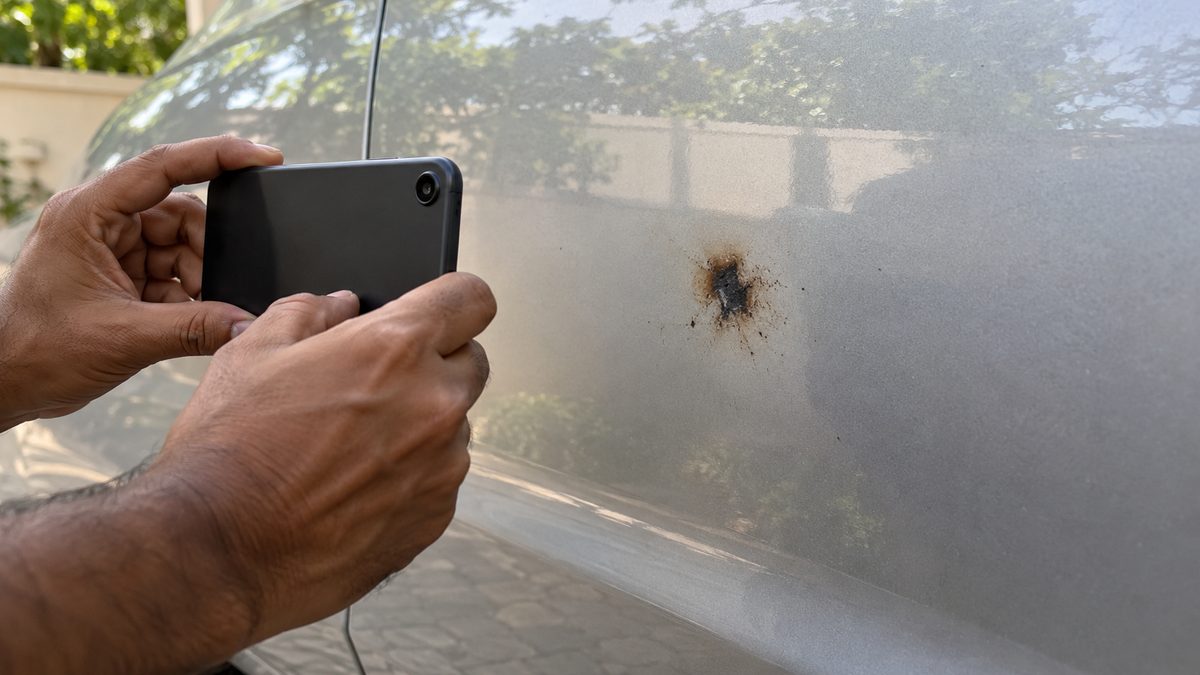
Firecracker Damage to Your Car: What to Record Before a Claim
A burn mark does not settle an insurance claim. Preserve evidence, describe what you know and ask your insurer how inspection should proceed.

Safety gear
Car Safety Around Firecrackers: Parking for Diwali
A practical parking and inspection plan for Indian car owners before and after Diwali celebrations.