Car care gear
Car Covers for Winter Dust and Morning Dew
By Samveg Jain · Updated 27 October 2026 · 5 min read
Some links on this site may be affiliate links. If you buy through them we may earn a commission, at no extra cost to you. It never changes what we recommend. How this works.
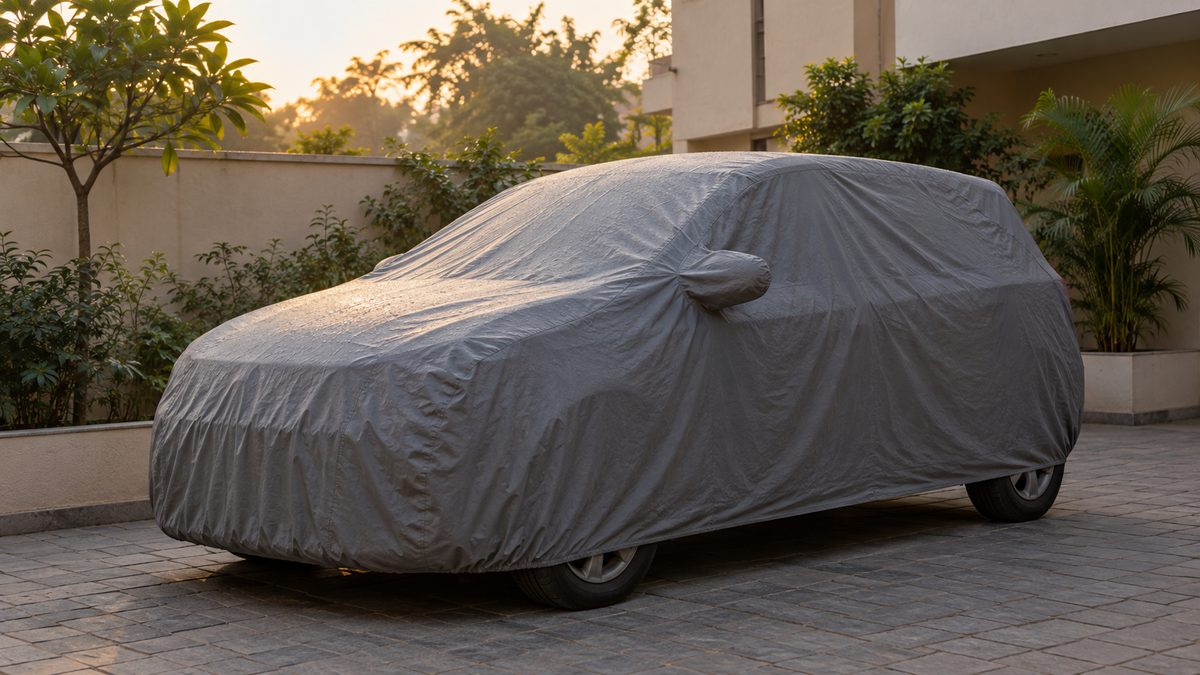
Quick answer
Use a correctly fitted cover only on a clean, dry car when conditions and the cover instructions allow. Avoid trapping moisture or rubbing dust against the paint.
A winter car cover can help keep settled dust and dew off a parked car, provided it fits properly and goes over clean, dry surfaces. Skip it when the car is dusty, wet or too hot for the cover's instructions. Trapping grit or moisture against paint can undo the benefit of covering it.
Winter conditions vary widely across India. An open parking bay beneath trees needs a different assessment from a ventilated garage or a windy terrace. Choose for the actual parking spot and your ability to remove, dry and clean the cover, rather than relying on a seasonal label.
Separate dew protection from moisture management
Dew forms when surfaces cool enough for moisture in the air to condense. A cover can take that moisture on its outer surface, but it does not remove humidity from the parking space. Dampness may also remain beneath a cover after rain, washing or a poorly timed installation.
Look for fabric intended for your parking conditions with a clear explanation of water resistance and moisture escape. A waterproof description alone does not tell you how a cover handles trapped dampness. Read the care instructions and inspect underneath periodically rather than assuming a dry-looking outer surface proves the car is dry.
Fit matters at mirrors, corners and the lower edge
Check compatibility with the car's body shape, mirror arrangement and any approved accessories. A cover pulled tightly across a spoiler or antenna can strain both fabric and fittings. Excess material can flap in wind. Follow the supplied fitting instructions rather than folding mirrors or removing parts simply to force a fit.
Retention straps should hold the cover as designed without rubbing exposed bodywork or hanging where they can snag. Avoid improvised hooks attached to trim, suspension or brake components. The outdoor cover buying guide offers related fabric checks, though your winter parking conditions still need their own assessment.
Decide whether to cover the car today
| Condition | Practical decision |
|---|---|
| Clean, dry car in calm conditions | Fit the suitable cover as instructed |
| Dust or grit on the paint | Clean appropriately before covering |
| Wet panels or damp cover lining | Allow both to dry before fitting |
| Hot surfaces after a drive | Wait until the cover instructions permit contact |
| Strong wind or insecure attachment | Avoid fitting until it can be secured safely |
This decision is worth making each time, even when the car is covered every night. If it is driven daily along dusty roads and you cannot clean it before covering, a cover may be an awkward choice. Improving the parking location or using an appropriate wash routine may be more practical.
Keep grit away from the inside of the cover
Do not sweep a dry cloth across a gritty bonnet to prepare it for covering. Remove contamination using a suitable wash method, then dry the surfaces before fitting. The wash kit and cloth guide helps separate gentle cleaning from rubbing dust into the finish.
Identify the cover's front and rear before placing it, and avoid dragging it across the car to correct its orientation. Keep its inner surface off the ground during removal. Fold it in a way that limits contact between a dirty exterior and the lining, following any specific folding directions supplied with it.
Let the car cool and check where fabric rests
After driving, allow hot components and nearby surfaces to cool as the vehicle and cover instructions require. Never run an engine under a fitted cover. Check the lower edges around exhaust outlets and ensure loose fabric cannot contact a hot component. Remove the entire cover before moving the vehicle.
Electrified vehicles need particular attention to their charging instructions. Do not drape an ordinary cover over connected charging equipment or improvise an opening. Use a cover during charging only when the vehicle, charging equipment and cover instructions explicitly permit that arrangement. If they do not address it clearly, obtain qualified advice.
Dry and inspect the fabric after damp mornings
A wet cover needs a suitable place to dry, away from abrasive ground and dirty surfaces. Do not tightly pack it while damp and leave it in the boot. Follow its cleaning and drying directions, including restrictions on heat and detergents. Examine seams, straps and the lining before putting it back on the car.
Look for debris caught at mirror pockets and corners, where it may repeatedly rub the same area. Replace or repair damaged retention parts using the maker's approved method. If you find moisture underneath after repeated use, change the routine and assess ventilation instead of simply fastening the cover more tightly.
Choose a routine you can repeat without shortcuts
A cover that takes too much effort to dry or store may end up being folded wet or dragged through dust. Before buying, think through where it will go during the day and who will remove it. Keep it separate from oily tools and sharp luggage in the boot.
For cars left parked between trips, combine cover checks with the winter battery care guide and ordinary vehicle inspections. A cover does not monitor tyres, leaks or battery condition. Remove it regularly to inspect the car, and change the arrangement if you see abrasion, persistent dampness or damage around attachment points.
What to look for when you buy
Fitted outdoor cover
A suitable vehicle fit, secure retention and fabric intended for the parking conditions.
Protective storage bag
Enough room for a fully dry cover without forcing dirty surfaces against clean ones.
Gentle wash supplies
Materials appropriate for removing dust before covering without dry rubbing.
Frequently asked questions
Can I put a cover over a roof carrier?
Only if the cover is designed for that configuration and all equipment instructions allow it. Forcing a standard cover can strain the fabric and fittings.
Does a cover replace paint care?
No. Paint still needs appropriate washing and inspection. A cover can also cause rubbing when dirt is trapped beneath it.
Can I machine-wash every car cover?
No. Follow the fabric maker’s cleaning instructions; unsuitable washing can damage coatings, seams or linings.
Should I cover a car in an enclosed garage?
Assess dust, ventilation and moisture first. A clean indoor cover may suit some garages, while damp conditions require attention to their cause.
More guides
Car care gear
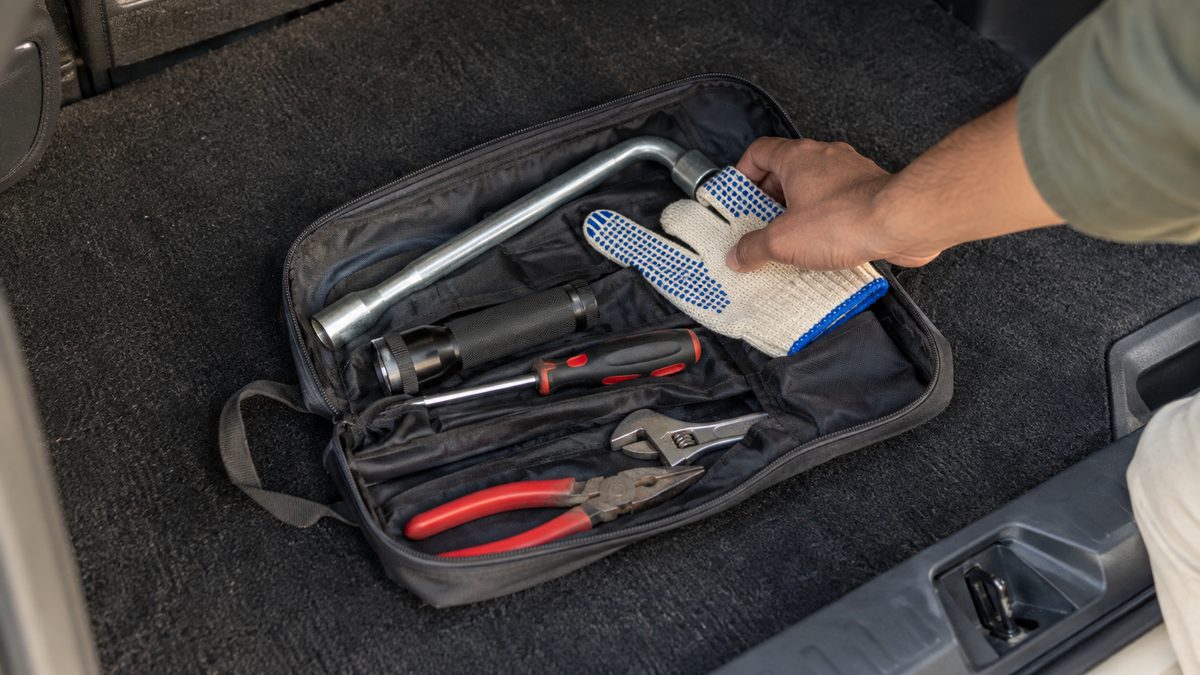
A Basic Car Tool Kit for Indian Drivers
Build a small car tool kit around safe inspections and handbook-approved tasks. Know which breakdowns need roadside assistance or a workshop.
Car care gear
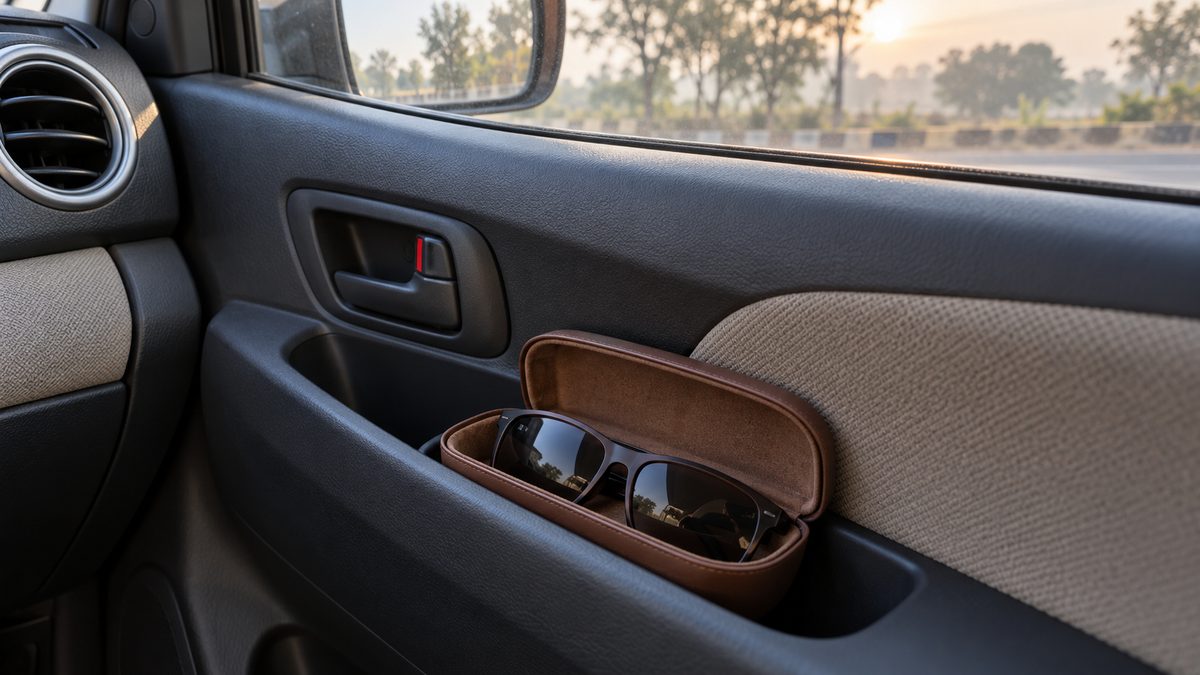
Low Winter Sun: Sunglasses Storage and Clear Glass
Reduce distractions from low winter sun with clean glass, a working visor and secure sunglasses storage that stays clear of airbags and controls.
Car care gear
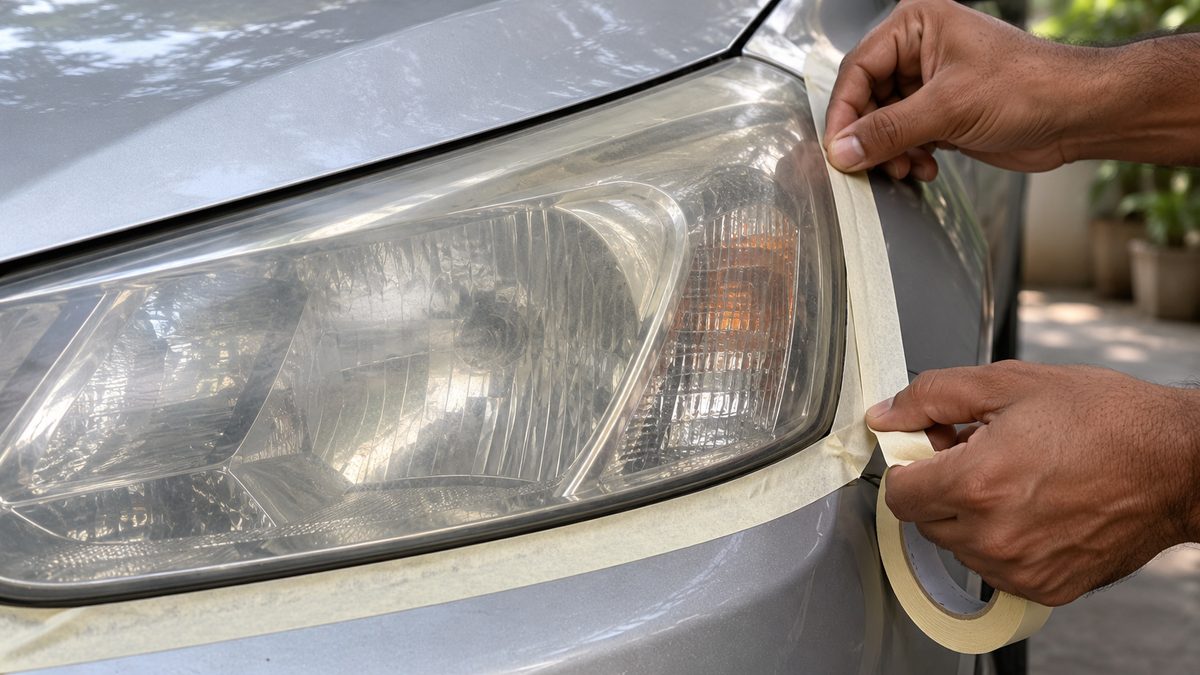
Headlight Restoration Kits: Repair or Replace?
Identify external lens haze before choosing a restoration kit. Check preparation, protective coating and signs that need workshop assessment.