Car care gear
Car Air Fresheners: Placement, Heat and Cabin Care
By Samveg Jain · Updated 26 October 2026 · 5 min read
Some links on this site may be affiliate links. If you buy through them we may earn a commission, at no extra cost to you. It never changes what we recommend. How this works.
Quick answer
Treat an air freshener as optional fragrance, not a way to clean cabin air. Follow its label, keep it away from controls and airbags, and remove the cause of persistent smells.
Use a car air freshener only as optional fragrance, with the holder secured where its label and the vehicle handbook permit. It cannot replace cleaning, ventilation or repair of a smell-producing fault. Around children, pets and a hot parked cabin, preventing contact and leaks matters more than choosing a pleasant scent.
This is general product safety information. If a fragrance causes irritation, headache or breathing discomfort, stop using it and get fresh air safely. Seek medical advice for persistent or serious symptoms, and contact a veterinarian promptly if a pet has swallowed or contacted a concerning product.
Find the source before covering the smell
Start with forgotten food, damp mats, a full rubbish bag and spilled drinks. Check under seats while parked and inspect the boot for wet luggage. Clean the source with materials suitable for the affected surface, then dry it properly. Adding fragrance to damp fabric leaves the damp problem in place.
If the smell appears when the ventilation starts, check the service guidance for the cabin filter and air-conditioning system. Do not spray liquid into vents unless a specific approved procedure calls for it. The cabin air filter guide explains what to inspect before buying another scented product.
A fuel, burning or exhaust smell needs investigation rather than masking. Stop safely, leave the vehicle if necessary and contact appropriate roadside or workshop help. A persistent unexplained smell is enough reason to arrange an inspection, even if a freshener makes it less noticeable.
Match the format to a permitted location
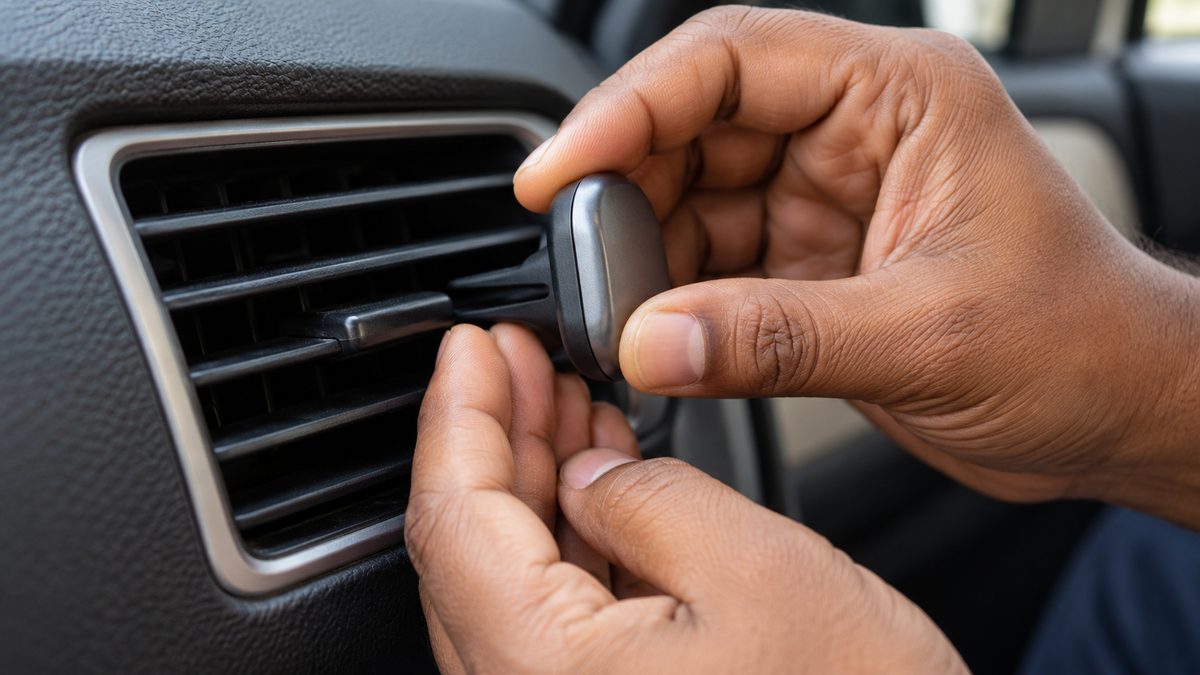
Hanging cards, vent clips, gels and liquid holders have different mounting and exposure considerations. Check the product instructions alongside the car handbook. A vent clip must fit without forcing or damaging the vent, obstructing its controls or directing leaked fluid onto trim and electronics.
Do not hang an item where it restricts your view, swings into your sightline or interferes with controls. Keep the dashboard and airbag deployment areas clear. For visibility or mounting requirements, check the current rules where you drive and use the relevant official guidance.
| Format | Check first | Reason to remove it |
|---|---|---|
| Liquid holder | Sealing, orientation and mounting instructions | Leakage, a loose cap or damaged casing |
| Vent clip | Vent fit and permitted airflow conditions | Movement, cracking or contact with controls |
| Hanging fragrance | Clear view and label-approved location | Swinging into view or contact with trim |
| Odour pouch | Intact material and secure containment | Torn fabric or loose contents |
Plan for the parked car becoming hot
A parked cabin in India can become hot even outside the peak summer months. Read storage and temperature warnings before leaving any fragrance inside. Do not leave aerosol cans or other pressurised products in conditions prohibited by their labels, and never place containers in direct sun simply because they look decorative there.
Heat can change how noticeable a fragrance feels, so resist adjusting it repeatedly while driving. When safely parked, inspect the container and nearby trim for residue. If it has leaked, avoid spreading the liquid; follow the product's cleaning advice and check the vehicle's surface-care guidance.
The car sunshade guide covers another part of parked-car care. A sunshade does not make it safe to ignore a product's storage limits or to leave children or pets in the vehicle.
Keep concentrated contents away from children and pets
A small colourful container can attract curious hands, and a loose pouch can become something a pet chews. Keep products inaccessible, securely attached and away from food, drinking bottles and child restraints. A closed lid does not make an item safe for a child to handle.
Do not assume that a botanical or essential-oil label means a product is suitable for every person or animal. Avoid applying fragrance to pet bedding, fur, toys or seat straps. Plan the journey using the pet travel gear guide, and leave fragrance out if suitability is uncertain.
For swallowing, eye exposure or other concerning contact, follow the label's first-aid instructions and obtain professional advice. Keep the packaging available. Do not improvise treatment, induce vomiting or apply another chemical to counteract the product unless a qualified professional directs it.
Choose a fragrance-free reset when possible
Remove rubbish, wash compatible removable fabrics and dry damp areas. Ventilate the cabin when it is safe and appropriate to do so, considering outside dust and air quality. An odour absorber may help with some smells, but it still needs an intact container and a secure permitted location.
A freshener does not establish that cabin air is safe to breathe. Nor does a strong clean-smelling scent demonstrate disinfection. If your goal is managing particles rather than fragrance, the car air purifier buying guide addresses a different category of equipment and its limits.
Check the cabin before a shared journey
Ask regular passengers about fragrance sensitivity before a long drive. Start with a clean, dry cabin and no added scent if you are unsure. Do not expect someone to tolerate discomfort because a product has already been bought.
At the end of the trip, remove empty holders and dispose of them as instructed. Recheck any mounting point for staining or looseness. If the original smell returns, go back to finding its source instead of increasing fragrance strength or adding another product.
What to look for when you buy
Sealed fragrance holder
Clear placement and temperature guidance, with secure attachment.
Absorbent odour pouch
An intact casing and a secure location away from children and pets.
Interior cleaning supplies
Materials compatible with the affected trim and upholstery.
Frequently asked questions
Can I mix leftover liquid fragrances?
Do not mix products or refill a holder unless its instructions expressly permit that refill. Compatibility and spill behaviour may differ.
Can I take the freshener into a hotel room?
Use it only in the environments permitted on its label. A car-use label does not establish suitability for every other enclosed space.
Should I leave one in a rarely used car?
Consider removing fragrance products and inspecting the cabin instead. Stored cars still need checks for leaks, damp and pests.
Is a stronger scent evidence that the product is working better?
No. Scent strength does not measure air cleanliness or removal of a source such as damp upholstery.
What information should I keep after opening it?
Keep the label, ingredients or safety information where provided, and disposal instructions. These can help a clinician or veterinarian if exposure occurs.
More guides
Car care gear
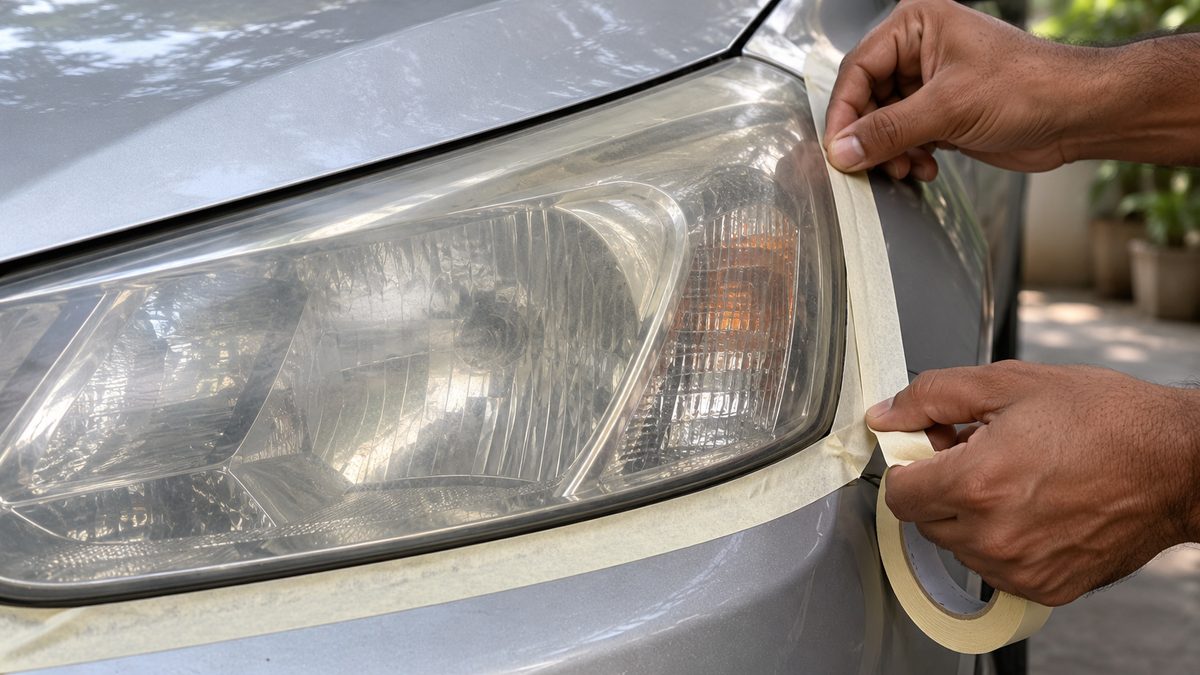
Headlight Restoration Kits: Repair or Replace?
Identify external lens haze before choosing a restoration kit. Check preparation, protective coating and signs that need workshop assessment.
Car care gear
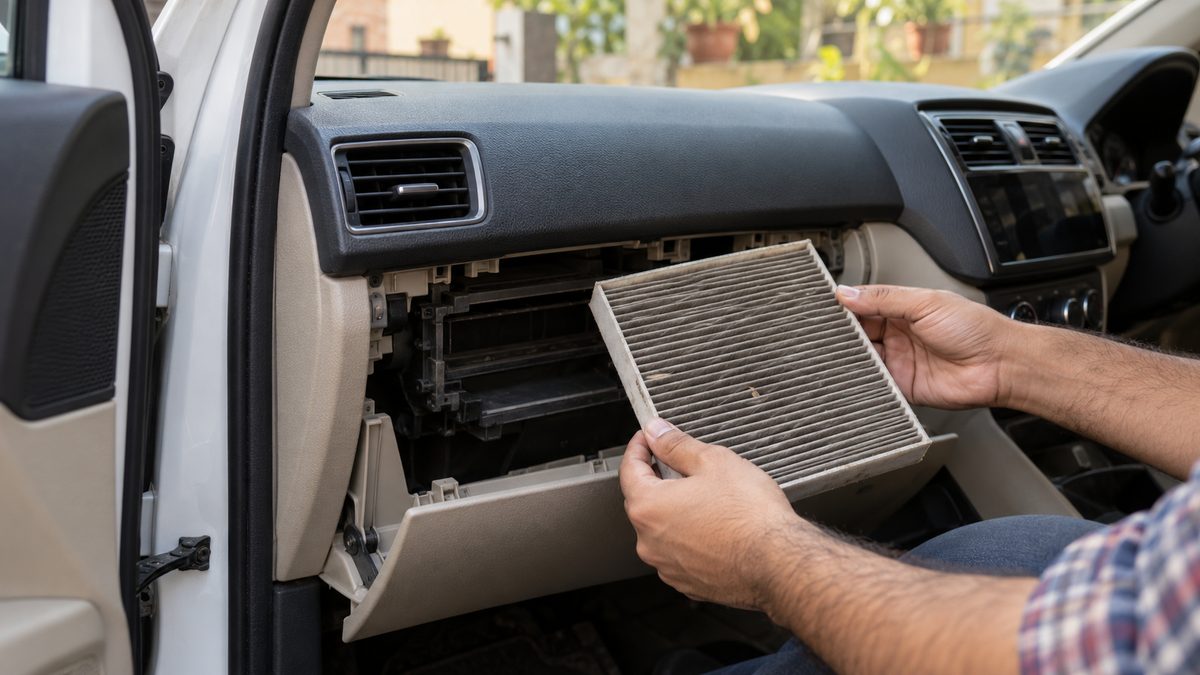
Post-Diwali Smog: How to Manage the Air Inside Your Car
A closed window and a clean filter help, but neither seals out every pollutant. Start with the ventilation system already fitted to your car.
Car care gear
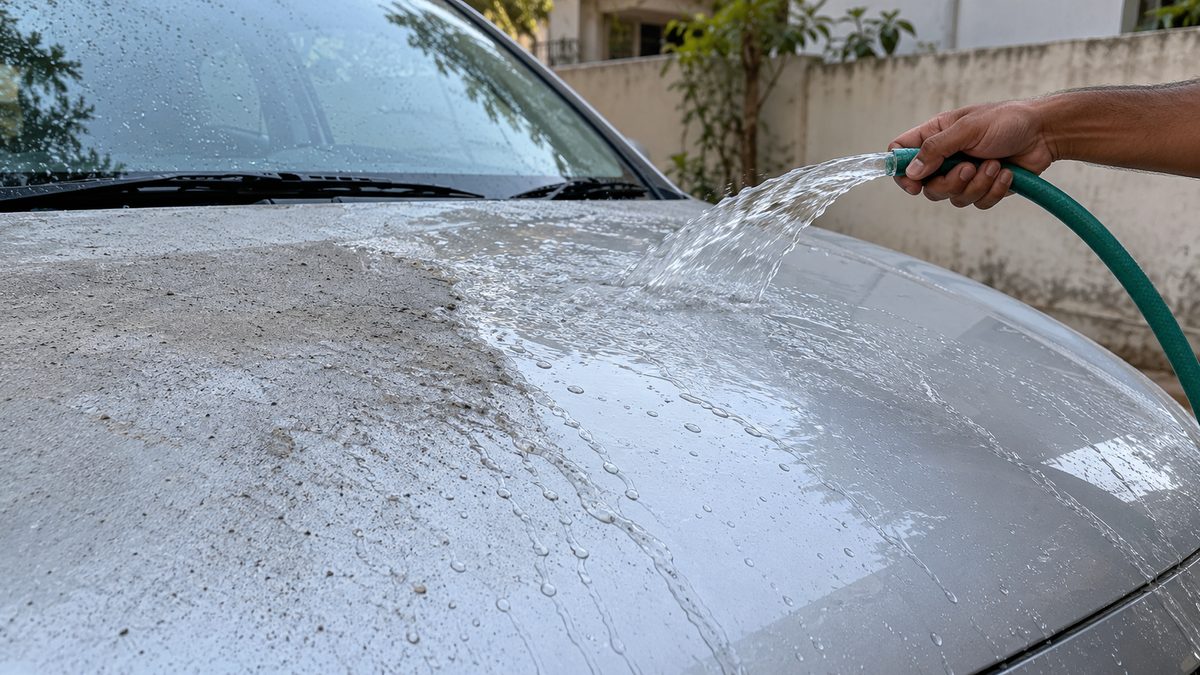
Car Cleaning After Diwali: Remove Ash Without Scratching
A rinse-first cleaning routine for the morning after Diwali, with separate steps for paint, glass and the cabin.