Road trips
Neck and Lumbar Pillows for Long Drives: Fit Guide
By Samveg Jain · Updated 21 October 2026 · 6 min read
Some links on this site may be affiliate links. If you buy through them we may earn a commission, at no extra cost to you. It never changes what we recommend. How this works.
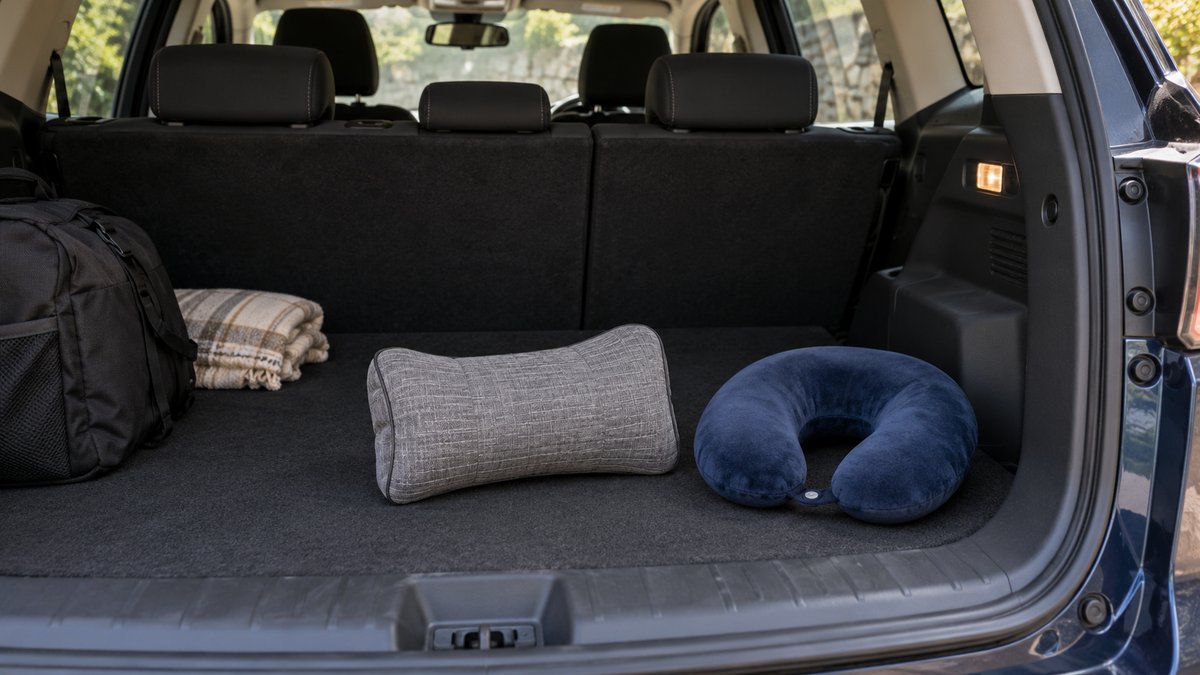
Choose neck and lumbar pillows by how they fit your seat, rather than by softness alone. A small lumbar cushion may fill an uncomfortable gap, while a bulky neck pillow can push your head forward. Adjust the original seat first, try any cushion while parked, and reject it if it changes belt fit, visibility or access to controls.
Adjust the seat before adding padding
Move the seat to a position where you can operate the pedals fully without stretching. Set the backrest so you can hold the steering wheel comfortably with your shoulders supported. Adjust the factory lumbar support and head restraint according to the vehicle handbook. Those adjustments may remove the problem that prompted the purchase.
A cushion changes the relationship between your body and the seat. Thickness behind the lower back can move your torso closer to the steering wheel. Padding under the neck may change where the head sits against the restraint. Treat both as fit decisions, rather than harmless decorations. Check the manufacturer's instructions for the vehicle and accessory before fitting straps around a seat.
Lumbar support: small changes are easier to judge
Look for a cushion with adjustable vertical position and restrained depth. The useful shape is the one that supports a comfortable seated posture without forcing an exaggerated arch. A deep sculpted cushion may feel impressive during a short shop trial yet become intrusive after the foam warms and compresses.
Try the thinnest practical option first. While parked, sit back normally and check whether your shoulders still reach the backrest. Check the belt across your shoulder and pelvis, and confirm you can see and reach everything you need. If you slide forward, twist to avoid the pad or keep readjusting it, the shape is working against you.
Removable covers matter on Indian summer drives. Sweat and dust collect where a cushion touches clothing. Prefer a cover with washing instructions and a fastening that cannot scratch upholstery. Ventilated mesh may feel less enclosed than dense fabric, but a texture claim cannot tell you how the finished cushion will feel in your particular car.
Neck pillows need a stricter driver test
A driver must be able to turn the head for observation without fighting a thick pad. Avoid cushions that force the chin down, hold the head forward, cover the head restraint adjustment or require altering its position against the handbook. The factory restraint has a safety function; decorative comfort gear should not displace it.
Passenger pillows have a different job. A soft travel pillow can support a resting passenger, provided it does not pull the shoulder belt away from the body or encourage lying across the seat. Reclining deeply to sleep changes restraint fit. Keep the seating position and belt use within the vehicle instructions rather than creating a bed with loose padding.
A parked fitting checklist
- Adjust the original seat without a cushion and note the specific uncomfortable area.
- Fit one accessory at a time so its effect is clear.
- Check pedal reach, wheel reach, mirror view and shoulder movement.
- Confirm the cushion does not cover a seat airbag seam or interfere with seat controls.
- Pull gently on the cushion to see whether it slips out of position.
- Remove the accessory if it changes belt routing or makes normal driving movements difficult.
Do not strap cushions over airbag openings or run fastening loops where the seat manufacturer prohibits accessories. Some seats include wiring, ventilation or side airbags that make a universal strap layout unsuitable. The seat cover materials and airbag fit guide explains why compatibility deserves more attention than a universal-fit label.
Foam, inflatable and mesh designs
Foam offers a fixed basic shape, with firmness changing as the material compresses. Buy on dimensions and return conditions rather than a medical-sounding name. Measure both width and thickness; a cushion can be narrow enough to fit the seat yet too deep for the driver.
Inflatable supports let you change depth and pack flat for travel. Their adjustment is useful when sharing a vehicle, but seams, valves and the possibility of losing air add maintenance. Test a modest amount of inflation instead of filling the support until it becomes rigid. Keep valves and hard fittings away from pressure points.
Mesh frames create a space between the back and upholstery. Check the frame edges, strap route and clearance around seat bolsters. A rigid frame that bridges across a curved seat can create contact points that were absent before. A removable washable fabric pad is easier to inspect than a closed assembly with inaccessible dust pockets.
Comfort purchases do not replace breaks
No cushion makes sitting still for an entire journey comfortable for everyone. Plan places where the driver can stop safely, get out and move. NHS back pain advice recommends frequent breaks and comfortable seat adjustment when driving. That supports a routine of changing position, rather than buying a thicker pad to endure a longer uninterrupted drive.
Pain that persists or worsens deserves medical advice, especially if it affects safe control of the car. Stop using a cushion that causes new symptoms. Avoid buying products on promises to cure a spinal condition or permanently correct posture. Their ability to fit your seat can be checked; broad treatment promises require evidence that a product listing rarely supplies.
Pack and trial before the highway
Test the final setup on a short local journey before committing to a full travel day. Make any adjustments while parked. Ask a passenger to note whether you keep reaching behind your back or moving the pillow, then review the fit at the next stop. A troublesome accessory should come off rather than demand constant attention.
Store unused cushions with the luggage instead of on the dashboard or driver footwell. Use the seat and boot organiser guide to give removable items a secure home. Add planned breaks and accessible water to your road trip packing list. A cushion earns its space when it supports a comfortable, controllable seating position and stays there without repeated adjustment.
What to look for when you buy
Thin lumbar cushion
Adjustable height, modest depth and a cover that can be washed.
Low profile neck cushion
Compatibility with the head restraint and no forward push on the head.
Passenger travel pillow
Soft support that leaves the seat belt correctly positioned.
Frequently asked questions
Can a lumbar pillow treat back pain?
It may improve comfort for some people, but it is not a diagnosis or treatment. Seek clinical advice for persistent or worsening pain.
Can I use a neck pillow while driving?
Only consider one if it does not change your head restraint, vision, posture or movement. A bulky pillow is a poor choice for a driver.
Is memory foam always better?
No. Shape, depth and fit against your existing seat matter more than a foam label.
Should children use an adult neck cushion?
Do not add unapproved padding to a child restraint. Follow the restraint maker’s instructions.
More guides

Road trips
Diwali Traffic Driving Tips for Crowds, Smoke and Delays
How to prepare for a slow festive journey and give yourself room to react when crowds and smoke change the road ahead.
Road trips
Car Seat Cushions: Fit Checks for Long Drives
Check cushion thickness, belt routing, pedal reach and airbag clearance before adding seat padding or lumbar support for a long drive.

Road trips
Pre-Trip Car Inspection: Mechanical Checks Before Travel
Check fluids, tyres, lights and brake behaviour before Diwali or wedding-season travel, with time to repair faults before departure.