Road trips
Car Seat Cushions: Fit Checks for Long Drives
By Samveg Jain · Updated 24 October 2026 · 5 min read
Some links on this site may be affiliate links. If you buy through them we may earn a commission, at no extra cost to you. It never changes what we recommend. How this works.
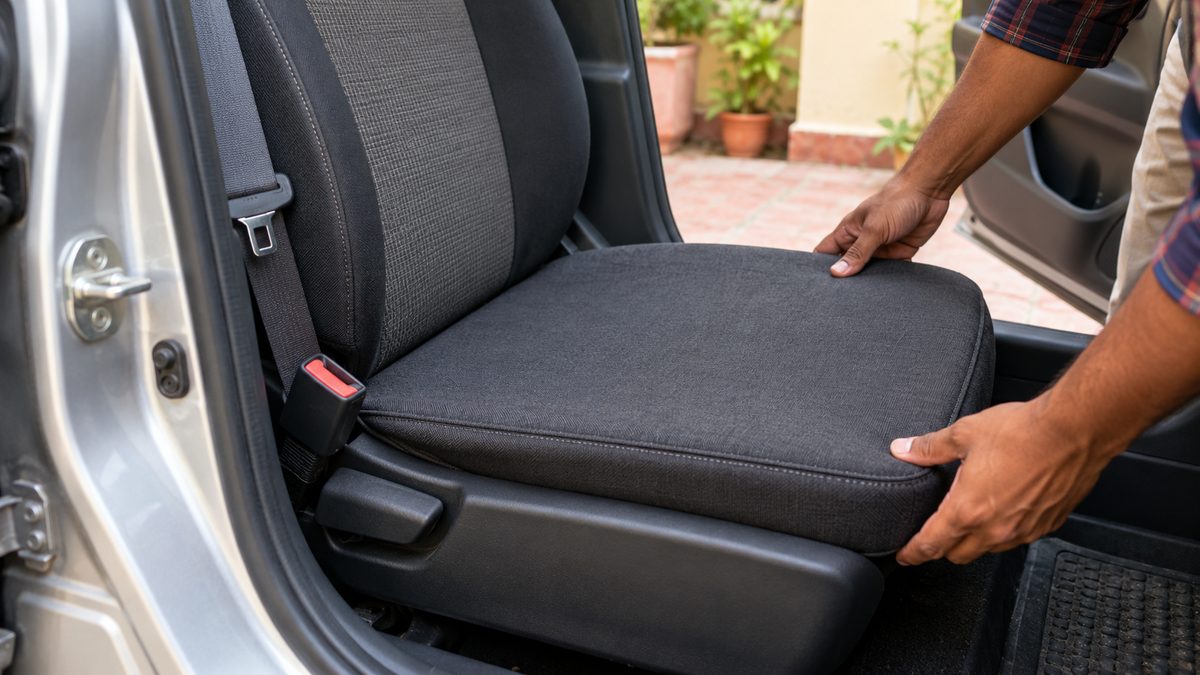
Quick answer
Try the original seat adjustments first. Add a cushion only if the car handbook permits it and it preserves belt fit, pedal control, head restraint position and airbag operation.
A car seat cushion is worth considering only when it fits the seat without compromising the belt, airbags or your control of the car. Adjust the original seat first, then try any permitted cushion while parked. For a long festive drive, planned breaks and a suitable driving position matter more than the amount of padding.
This is general comfort and buying information, not treatment for back pain. Seek medical advice for persistent pain, numbness, weakness or symptoms that interfere with driving. Stop safely if discomfort affects your ability to operate the pedals or concentrate on traffic.
Find out what the existing seat can do
Empty your back pockets and sit fully against the backrest. Adjust the seat distance, height, backrest angle and built-in lumbar support where fitted. Move the steering wheel if the car allows it, then recheck the instruments and mirrors. A cushion should solve a remaining fit problem rather than compensate for a forgotten adjustment.
Check the handbook before buying. Some seats contain occupant detection equipment, heating or ventilation systems, and side airbags may deploy from the seat. Added padding, covers or straps may be restricted. A seller describing a cushion as universal does not establish that it is suitable for your particular car.
For the difference between a small back support and a head pillow, see the neck and lumbar support guide. Avoid collecting several accessories and discovering on departure morning that they push you too far forward.
Test height, depth and control together
A thick cushion raises your hips and changes the relationship between your body, the pedals and the steering wheel. It can reduce headroom or place the front edge under your thighs. A soft cushion may feel pleasant at first but compress unevenly once you settle into it.
With the engine off and the vehicle safely secured, check full pedal travel as appropriate to the vehicle. Your back should remain supported as you reach. Check that you can turn the wheel without the cushion interfering with your arms, and that your knees have suitable clearance. Restore the original arrangement if control is worse.
- Fit the cushion exactly as instructed, without covering prohibited seat areas.
- Sit normally and allow the material to settle under your weight.
- Check visibility, headroom, pedal travel and steering movement.
- Fasten the belt and inspect both its lap and shoulder sections.
- Check head restraint alignment using the handbook.
- Get out and sit down again to see whether the cushion shifts.
Keep the restraint geometry intact
The lap belt needs to sit low across the pelvis, with the shoulder section across the chest and shoulder as the handbook describes. A cushion must not push the lap section onto the abdomen, move the shoulder belt onto the neck or hide the buckle. Do not put the shoulder section behind your back to make the new position feel comfortable.
Keep straps clear of airbag seams, seat rails, wiring and belt anchorages. Never wrap a strap around a seat simply because it appears to hold the accessory firmly. Confirm the attachment is permitted and does not interfere with seat adjustment or a rear passenger's space.
Do not use cushions to raise a child into an adult belt. The child car seat buying guide covers appropriate restraints and fitting checks. For requirements affecting your journey, check the current rules where you drive and consult official guidance.
Compare materials through a fitting trial
Foam, gel and ventilated designs describe construction, not a guaranteed result. Look for dimensions that match the seat base, a surface that stays stable on your upholstery and a cover you can clean. Avoid a raised edge that presses into the backs of your knees or a support that forces an exaggerated arch in your lower back.
Ask about a return or fitting policy before purchase. Try the accessory in your own vehicle with your usual clothing and shoes. A cushion demonstrated on an office chair cannot establish pedal reach or airbag clearance in a car. Let each regular driver check it separately rather than assuming one successful trial covers the whole family.
Make the first outing a short familiar route
Complete the parked checks before starting. If the accessory is permitted and fits, use a short local journey before relying on it for a highway trip. Pull over somewhere safe if it slides, develops a pressure point or changes your posture. Never reach underneath yourself or adjust straps while moving.
Inspect the arrangement again at a planned stop. Cushion movement may be easier to spot after getting out. If you keep altering the seat to work around the accessory, reconsider it. Returning to a correctly adjusted original seat may be the more suitable choice.
Pack for breaks as well as sitting time
Build rest stops into the route rather than waiting until everyone is uncomfortable. Use a safe stopping place to walk around, change drivers where appropriate and check that luggage has not crowded the seats. A cushion cannot compensate for fatigue, and discomfort should not become a reason to hurry the remaining distance.
The India road trip packing list helps keep essentials accessible without filling footwells. Before departure, clean the cushion cover as directed, let it dry fully and inspect attachments. Remove damaged padding or loose fittings instead of making temporary repairs that might fail during the drive.
What to look for when you buy
Thin seat cushion
Stable fit without excessive height or pressure behind the knees.
Adjustable lumbar support
A modest profile that fits the seat and has permitted attachment points.
Washable cover
Removable fabric with clear cleaning instructions and secure closures.
Frequently asked questions
Can two drivers share one cushion setting?
Each driver needs a separate fitting check. Seat height, leg reach and belt position can change when the driver changes.
Is a vibrating cushion suitable while driving?
Do not assume it is. Check vehicle compatibility, power routing and distraction risks; avoid it if the instructions or fit are unclear.
Can I use a household pillow?
A loose pillow can move and alter restraint fit. Use the original seat if you cannot establish a stable, permitted arrangement.
Can I add padding to a child seat?
Only use padding or accessories approved for that particular child restraint. An adult comfort cushion is not a child-seat accessory.
Should a passenger sleep with the seat fully reclined?
Follow the vehicle handbook for travelling posture. Excessive recline can prevent the belt from restraining the occupant as intended.
More guides

Road trips
Diwali Traffic Driving Tips for Crowds, Smoke and Delays
How to prepare for a slow festive journey and give yourself room to react when crowds and smoke change the road ahead.
Road trips
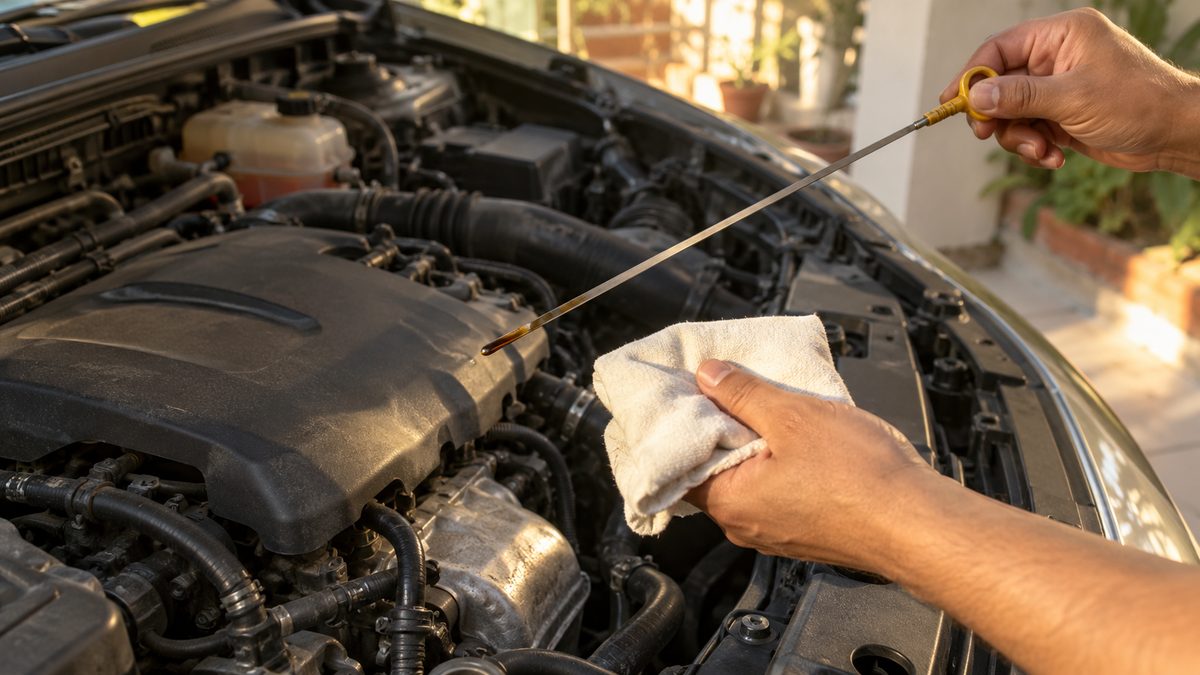
Pre-Trip Car Inspection: Mechanical Checks Before Travel
Check fluids, tyres, lights and brake behaviour before Diwali or wedding-season travel, with time to repair faults before departure.

Road trips
Camping from Your Car: A Practical Gear List
Start car camping with shelter, sleeping insulation, water and lighting. Pack to the campsite facilities and keep fuel equipment outside enclosed spaces.