Road trips
Camping from Your Car: A Practical Gear List
By Samveg Jain · Updated 21 October 2026 · 6 min read
Some links on this site may be affiliate links. If you buy through them we may earn a commission, at no extra cost to you. It never changes what we recommend. How this works.
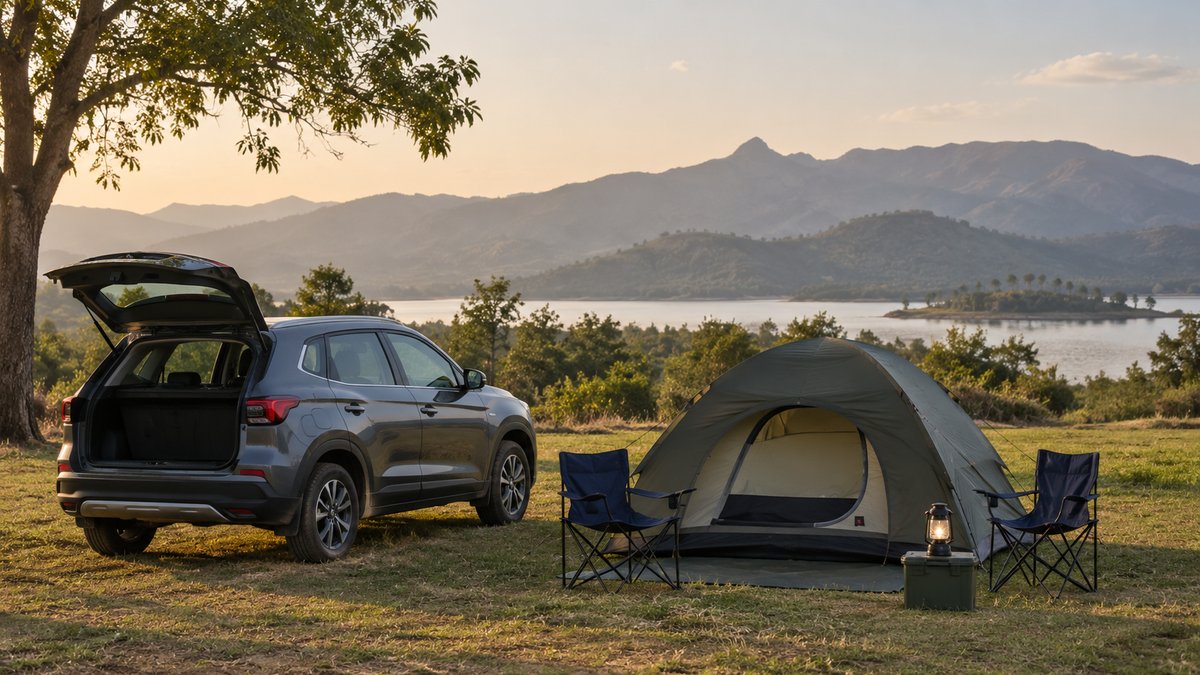
For a first car camping trip, prioritise a weather-appropriate shelter, sleeping mat, bedding, drinking water and dependable lighting. Book a suitable campsite and check its facilities before buying furniture or cooking equipment. Pack everything so you can reach the tent first, keep the car's controls clear, and plan without using the engine as an overnight power source.
Let the campsite decide the list
Ask about toilets, drinking water, vehicle access, parking surfaces, electricity, cooking areas and local restrictions. Confirm arrival times and the rules for rain or severe weather. An organised campsite with facilities needs less equipment than a remote location, and it gives a first trip fewer problems to solve at once.
Do not assume that stopping beside a scenic road means overnight camping is permitted. Check landowner permission, local rules and current conditions. A private car is transport, rather than permission to drive onto sensitive ground or block an access road. Plan a fallback place to stay if weather or access makes the intended site unsuitable.
Build a simple evening timeline: arrive, pitch shelter, arrange bedding, eat and prepare for darkness. If every step depends on a new complicated gadget, simplify it. Our road trip packing list covers the vehicle and journey supplies so this list can focus on the campsite.
Shelter comes before furniture
Choose a tent for the expected weather and the number of people plus their indoor belongings. Advertised sleeping capacity does not describe how much comfortable space remains beside bedding. Check packed dimensions, pitching instructions, ventilation and whether all poles, pegs and guy lines are included.
Pitch it at home before travel. Identify the parts in daylight and practise packing a damp or imperfectly folded tent into its bag. Keep the pitching kit together. A missing peg bag is easy to replace at home but harder to resolve after arriving in rain with the rest of the boot unloaded.
A rooftop system introduces roof-load limits, vehicle compatibility, mounting checks and climbing access. It is a separate installation decision, rather than the default entry to camping. A ground tent at a booked site is often a more manageable starting point. Check the manufacturer's instructions for any roof-mounted equipment and the car's own limits before considering it.
Buy sleeping comfort for the actual night
A mat provides cushioning and insulation from the ground. Compare thickness, packed size and insulation information instead of choosing by softness alone. Test how it feels when lying in your normal sleeping position. An inflatable mat should include an appropriate repair provision, while a foam mat trades bulk for a simpler construction.
Choose bedding for expected overnight conditions, including the location's elevation and season. Do not infer cold-weather suitability from a thick appearance or a warm afternoon. Keep sleep clothing and bedding in a dry bag separate from wet tent fabric. A spare dry layer is useful only if it remains dry through loading and pitching.
If you intend to sleep inside the vehicle, first assess the available safe usable space without altering restraints or blocking exits. Do not improvise a raised platform over unfamiliar wiring or equipment. Avoid sleeping arrangements that require idling the engine or keeping fuel appliances inside. A dedicated campsite shelter can leave the car available for transport and storage.
Water, meals and cleaning
Bring clean drinking water in food-safe containers you can lift and pour without spilling. Separate drinking water from washing supplies. A large container may save packing space but become awkward to move once full, so compare practical handling as well as capacity. Know where you can replenish supplies before committing to a longer stay.
For a first overnight trip, meals that need little preparation reduce equipment and washing. If you carry perishable food, use a suitable cooling plan and monitor storage conditions. The cool box and fridge guide explains why a cooling device's name alone does not tell you what food it can safely hold.
Fuel-burning appliances belong outdoors in a suitable permitted area, away from the tent and vehicle. CDC carbon monoxide guidance warns against using camping stoves, charcoal grills or fuel lanterns inside a tent or camper. Opening a flap is not a substitute for keeping combustion equipment outside enclosed living and sleeping spaces.
Light and charging without clutter
A head torch leaves both hands free for pitching and finding items. A small lantern can light a table or tent using an electric light source suited to that use. Compare controls, weather resistance, runtime information and charging needs. Test the lights before departure rather than relying on a new battery indicator.
Avoid loose extension cables across walking routes. If a campsite provides mains power, confirm the correct equipment and site requirements instead of improvising an outdoor household extension arrangement. Keep connections protected as specified by the equipment maker. Phone charging can often be planned before arrival, reducing demand for a larger overnight electrical setup.
Pack by setup order
- Shelter and pitching tools at the accessible edge of the boot.
- Lighting in a small marked pouch that can be found before darkness.
- Bedding sealed away from wet and dirty items.
- Water secured low, separate from cleaning chemicals.
- Food and rubbish in closed storage appropriate to campsite wildlife rules.
- First aid and roadside equipment reachable throughout loading and unloading.
Use secured boot storage to keep small camping parts together. Add chairs or a table only after the shelter and sleep system fit comfortably. After the trip, clean and dry the equipment before storage, then record what went unused. A compact kit that you can pitch, use and repack confidently is a better starting point than a boot full of unfamiliar equipment.
What to look for when you buy
Weather-appropriate ground tent
A usable packed size, complete pitching kit and suitable ventilation.
Sleeping mat and bedding
Comfort and insulation matched to expected overnight conditions.
Rechargeable head torch
Hands-free light, protected controls and a dependable charging plan.
Drinking water container
Food-safe construction, secure closure and manageable carrying weight.
Frequently asked questions
Do I need a rooftop tent?
No. A suitable ground tent is a practical starting point for an organised campsite and avoids a roof installation.
Can I cook in the car or tent?
Do not use fuel-burning cooking equipment inside a car, tent or enclosed shelter. Follow campsite rules and appliance instructions outdoors.
Should I run the engine while sleeping?
Do not build a camping plan around idling the engine for overnight heating, cooling or charging.
What should I buy first?
Shelter, suitable sleeping gear, water storage and dependable lighting, based on the facilities at your booked campsite.
More guides
Road trips
Diwali Traffic Driving Tips for Crowds, Smoke and Delays
How to prepare for a slow festive journey and give yourself room to react when crowds and smoke change the road ahead.
Road trips
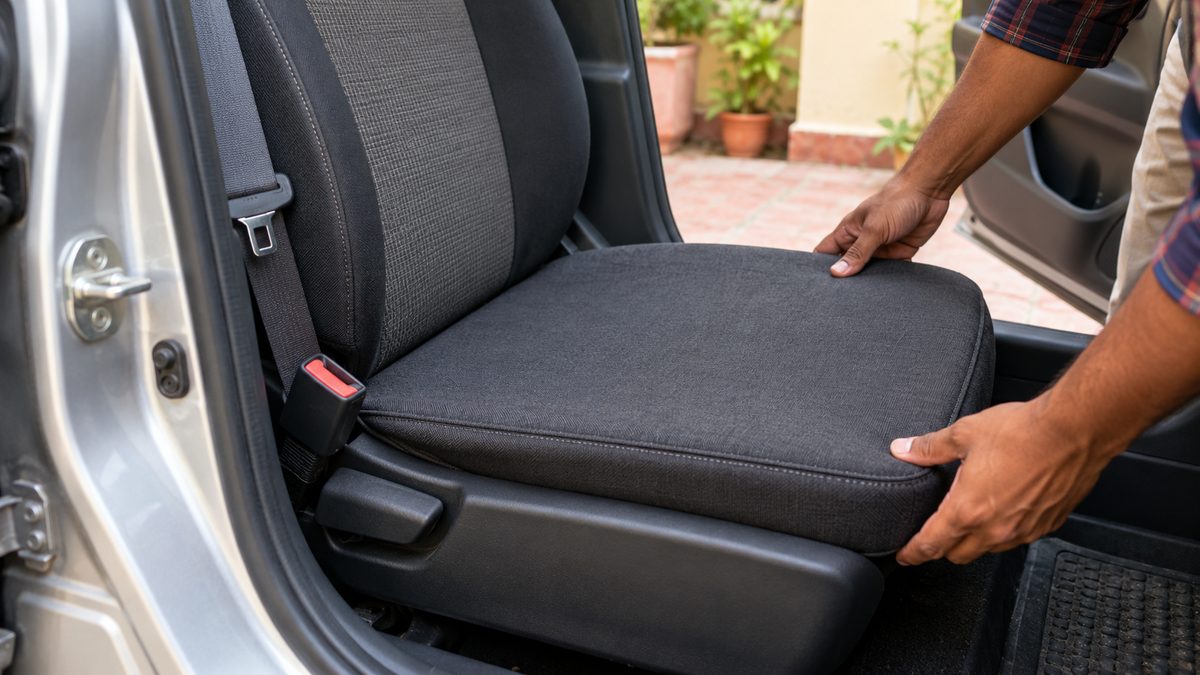
Car Seat Cushions: Fit Checks for Long Drives
Check cushion thickness, belt routing, pedal reach and airbag clearance before adding seat padding or lumbar support for a long drive.
Road trips
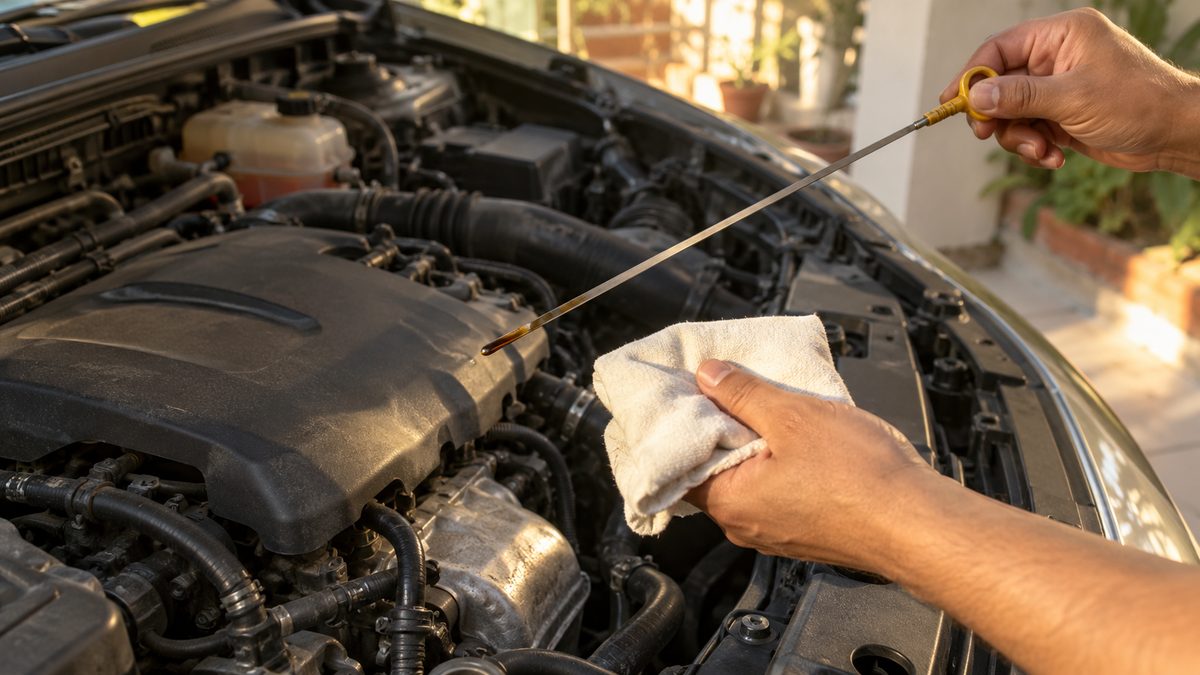
Pre-Trip Car Inspection: Mechanical Checks Before Travel
Check fluids, tyres, lights and brake behaviour before Diwali or wedding-season travel, with time to repair faults before departure.