Road trips
Car Bins and Organisers for Tidy Road Trips
By Samveg Jain · Updated 26 October 2026 · 5 min read
Some links on this site may be affiliate links. If you buy through them we may earn a commission, at no extra cost to you. It never changes what we recommend. How this works.
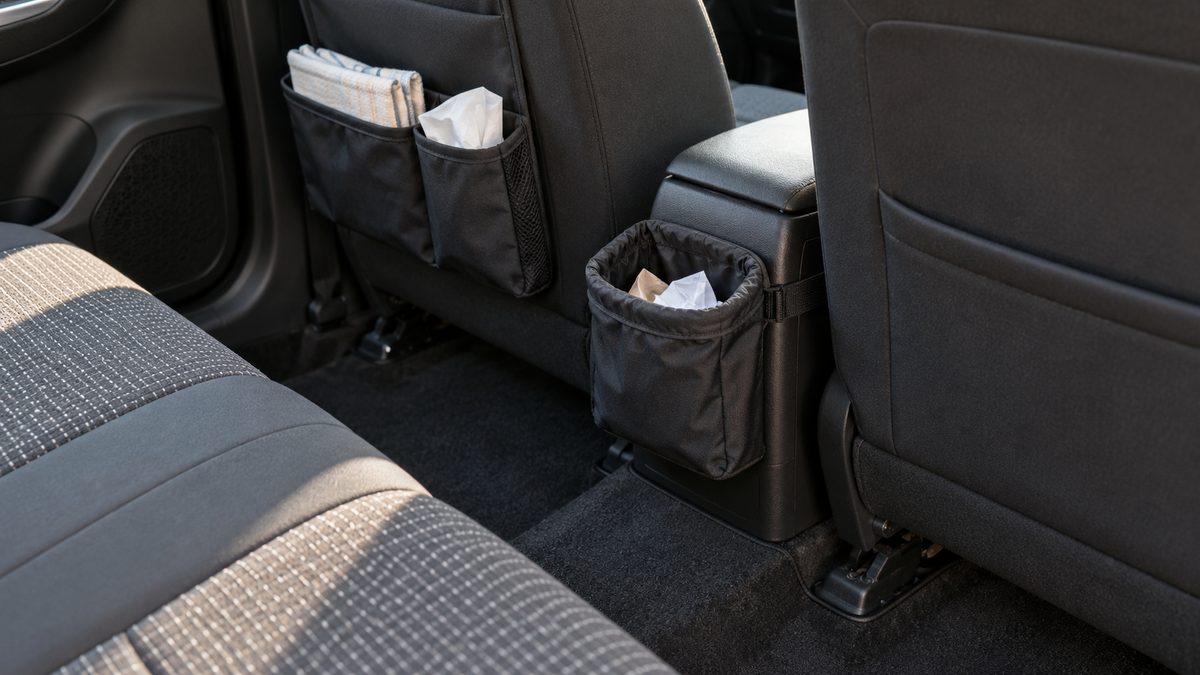
Quick answer
Choose a small, securely mounted bin and lightweight organisers that fit the car without obstructing safety equipment. Empty rubbish at stops and secure heavier luggage elsewhere.
A small bin and a few well-placed organiser pockets can keep a road trip cabin tidy, provided they stay clear of pedals, belts and airbag deployment areas. Choose storage locations before choosing accessories. Keep heavy items secured in the boot, and empty cabin rubbish whenever you stop somewhere with suitable disposal facilities.
On a family drive, clutter often starts with useful things: water, snacks, charging cables and tissues. The aim is to give each item a secure home that passengers can use without asking the driver to reach around. More pockets help only when their contents remain light, contained and easy to find.
Map the cabin before buying another pocket
Park safely and inspect the space with all the usual occupants seated. Identify the existing bottle holders, door bins, console storage and boot tie-down points. Check what becomes inaccessible when a child seat is installed or a front seat moves back. Measure usable space rather than ordering by the apparent size in a photograph.
Reserve foot space for feet, particularly near the driver's seat. A bin that sits neatly between seats while parked may tip or slide during braking. Check both seat travel and the path an item could take if it comes loose. Do not depend on its weight alone to keep it in position.
The seat and boot organiser guide covers broader storage choices. For a short outing, using the car's existing compartments may be sufficient. Buy an accessory to address a specific storage gap rather than filling every available surface.
Choose a bin you can empty without a spill
Look for a compact shape, an attachment permitted for the location and an interior you can wipe clean. A lid can contain loose wrappers, but check that passengers can open it without leaning into the driver. A removable liner makes disposal easier; the liner must not hang loose beside seat mechanisms.
A soft bag is easy to store when empty, while a rigid bin may be easier to wipe. Neither is automatically secure. Examine seams, fasteners and the mounting method. Avoid sharp exposed edges, fragile lids or attachments that rely on a trim piece not intended to support them.
| Location | Suitable contents | Keep out |
|---|---|---|
| Small mounted bin | Dry wrappers and contained tissues | Loose liquids, hot ash and sharp waste |
| Soft seat-back pockets | Tissues and light soft supplies | Glass bottles and heavy hard objects |
| Approved bottle holder | A securely closed bottle that fits | Oversized containers that fall out |
| Secured boot storage | Bulk supplies and heavier luggage | Unrestrained boxes above the seat back |
Check seat-back straps against the handbook
Before fastening an organiser, locate airbag markings and read the vehicle instructions. Seat-mounted airbags, head restraints and adjustment mechanisms place limits on where straps can go. Do not cover an airbag seam or tie an accessory to a seat belt. Leave seat latches, rails and wiring undisturbed.
Check the rear passenger's knees and access to the buckle once the pockets are loaded. A bulky organiser can take away space that looked adequate when it was empty. For children, avoid placing hard items where they may strike them or encourage repeated leaning out of the restraint.
Use the family road trip checklist to plan what the children need during the drive. Store spare supplies separately so the seat-back organiser holds only the small selection needed between stops.
Keep the dashboard and rear shelf clear
Do not put bins, tissue boxes, loose bottles or decorative storage trays on top of the dashboard. They may obstruct the view, reflect in the windscreen or move during a sudden stop. Items near a passenger airbag can also interfere with its operation. A non-slip pad is not a substitute for a permitted secure location.
Apply the same restraint to the rear parcel shelf. Hard objects placed there can move into the cabin, and bulky bags can block the rear view. Keep shopping and loose equipment below the seat-back level where possible, using the car's intended load restraint arrangements.
Build a short reset into each stop
Before leaving a rest stop, ask passengers to close bottles, collect wrappers and return belongings to their assigned pockets. The driver should check the pedal area before moving off. Retrieve dropped objects only while safely parked, even if something is rolling or rattling.
Sort recyclable waste where facilities allow and never throw rubbish from the car. Keep any leaking food packaging in suitable containment until disposal. Do not put waste into a bag already holding clean snacks or medical supplies. If a spill reaches seat rails or electrical areas, consult the handbook before cleaning it.
Clean the containers after unpacking
Remove the bin liner, inspect the bottom and clean the container according to its material instructions. Let it dry before refitting. Check pockets for crumbs and forgotten food, then inspect straps for wear. A torn attachment or broken clip needs attention before the next journey.
For crumbs in seams and carpets, see the car vacuum cleaner guide. Finish by reducing the load: leave only the everyday essentials in the cabin. A tidy car is easier to maintain when the storage system has room to spare.
What to look for when you buy
Compact cabin bin
A permitted stable location, wipe-clean interior and removable liner.
Soft seat-back organiser
Light pockets and attachments clear of airbag areas and moving parts.
Boot organiser
Suitable load restraint options and compartments sized for your supplies.
Frequently asked questions
Can I leave food waste in the bin overnight?
Empty it at the end of the journey. Food residue and leaking packaging can create odours and attract pests.
What should I do with used tissues when someone is ill?
Keep them contained, dispose of them appropriately and clean hands after handling rubbish. Follow relevant public health advice where needed.
Can a bin hold a hot drink?
Use a vehicle cup holder suitable for the container. A rubbish bin is not a secure hot-drink holder.
Can an organiser replace a pet restraint?
No. Travel equipment for an animal needs its own suitable restraint arrangement; storage pockets cannot secure a pet.
Should emergency tools go in a zipped boot box?
Equipment needed immediately should be secured where the intended user can reach it. Check each tool and vehicle instruction rather than putting every safety item in one remote box.
More guides
Road trips
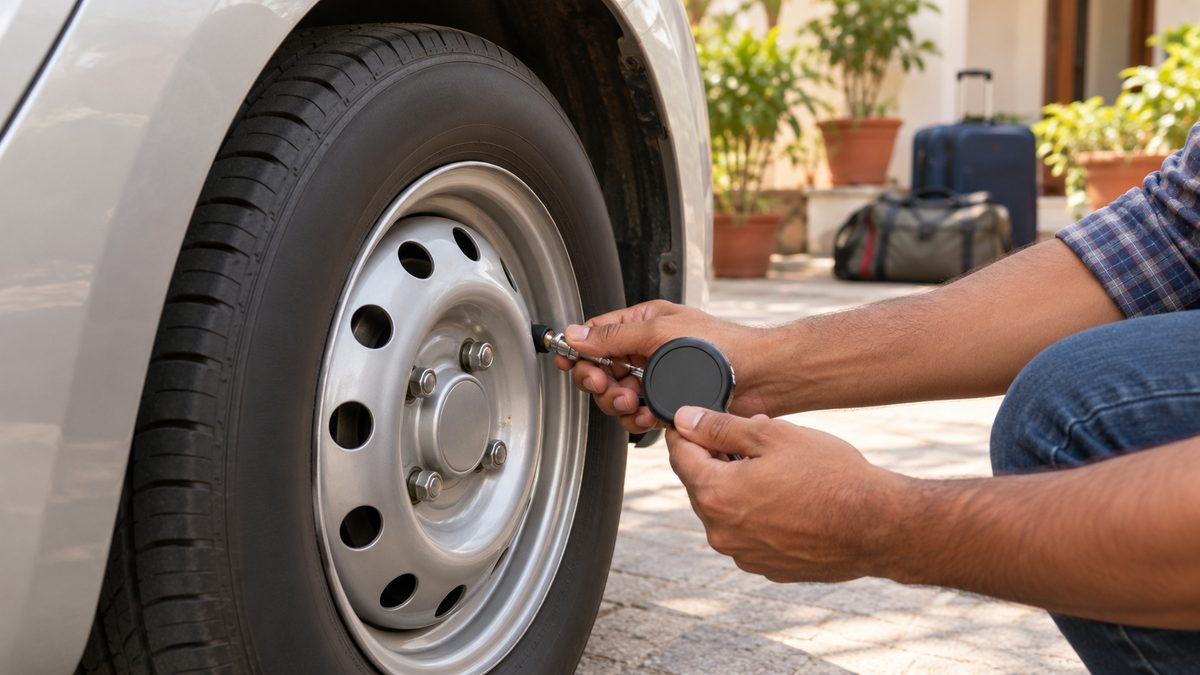
Festive Road Trips: Fuel Savings That Fit Real Family Travel
The useful fuel-saving jobs start before the boot is packed. Avoid pressure guesses and driving tricks that reduce control or comfort.
Road trips
Diwali Traffic Driving Tips for Crowds, Smoke and Delays
How to prepare for a slow festive journey and give yourself room to react when crowds and smoke change the road ahead.
Road trips
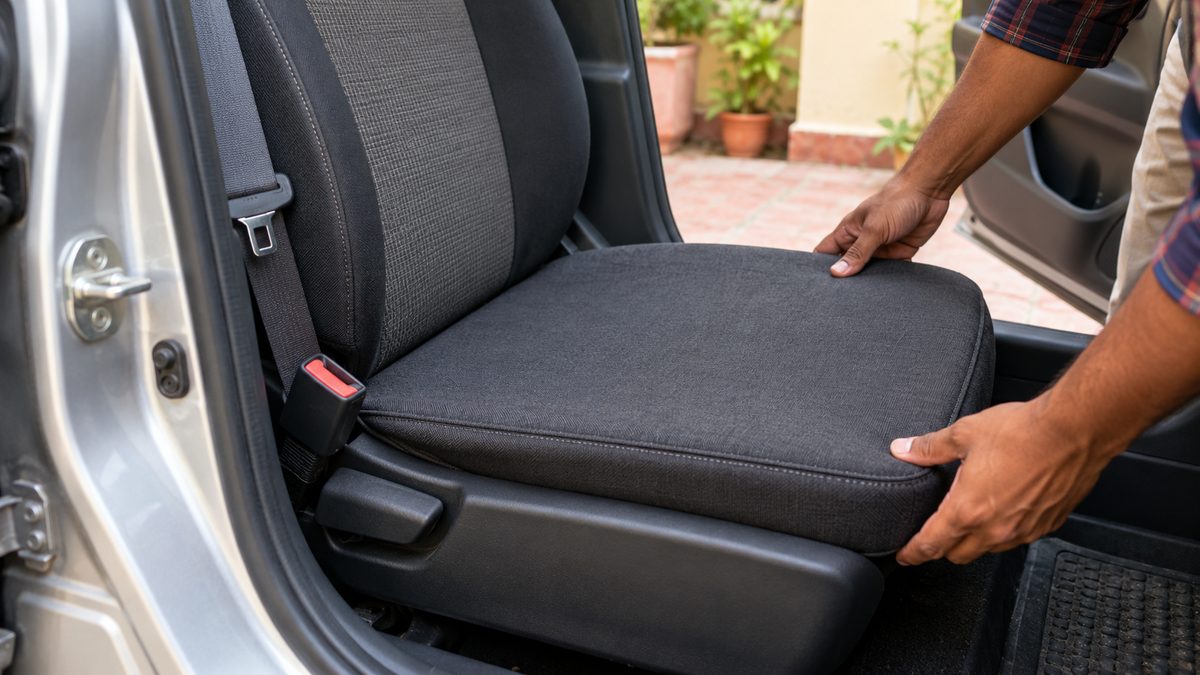
Car Seat Cushions: Fit Checks for Long Drives
Check cushion thickness, belt routing, pedal reach and airbag clearance before adding seat padding or lumbar support for a long drive.